
A Certificate of Inspection (COI) is a Transport and Main Roads (TMR) requirement for commercial and passenger vehicles in Queensland. It ensures ongoing safety compliance and that vehicles remain roadworthy throughout their service life.
Learn which vehicles need a COI, how often inspections are required, and how Toros Roadworthy helps keep Queensland business fleets compliant under TMR regulations.
What Is a Certificate of Inspection (COI)?
A Certificate of Inspection (COI) is an official program regulated by Queensland Transport and Main Roads (TMR). It ensures that commercial, passenger, and fleet vehicles — such as taxis, rideshare cars, buses, and delivery vans — are kept in a safe, roadworthy condition throughout their operational life.
Unlike a one-time Roadworthy or Safety Certificate, a COI must be renewed periodically (usually every 6 or 12 months, depending on vehicle class). It’s mandatory for vehicles used for hire, passenger transport, or business operations.
At Toros Roadworthy, we’re fully licensed and TMR-approved to perform both COI inspections and standard roadworthy checks across Logan, Slacks Creek, Daisy Hill, and Brisbane South. Our experienced team ensures your vehicle meets every compliance requirement so you can stay confidently on the road.
Why COIs Are Important
A Certificate of Inspection (COI) keeps both drivers and passengers safe by ensuring commercial and passenger vehicles meet ongoing safety and maintenance standards.
At Toros Roadworthy, we often tell our fleet clients that a COI is like a health check for their vehicles — small issues caught early can prevent costly breakdowns or compliance breaches later.
It’s part of Queensland’s wider road safety framework, alongside safety certificates for private drivers.
If you manage a rideshare, commercial, or fleet vehicle, it’s vital to know how often inspections are required and who is authorised by TMR to perform them.
Which Vehicles Require a COI in QLD?
According to Transport and Main Roads (TMR), the following vehicle types require a Certificate of Inspection:

- Passenger transport vehicles – including taxis, limousines, and rideshares (Uber, DiDi, etc.)
- Heavy vehicles over 4.5 tonnes GVM
- Tow trucks and recovery vehicles
- Buses and charter vehicles
- Light commercial fleets used for business or hire
Private vehicles don’t need a COI unless they’re used for commercial purposes. In those cases, a standard QLD safety certificate is sufficient.
If you’re unsure which inspection type applies to your vehicle, check our detailed guide:
Choosing the Right Roadworthy Inspection Type (QLD)
COI vs Roadworthy Certificate – What’s the Difference?
While both confirm that a vehicle is safe to drive, they serve different purposes:
| Feature | Certificate of Inspection (COI) | Roadworthy / Safety Certificate |
| Purpose | Ongoing compliance for commercial vehicles | One-time requirement for sale or transfer |
| Frequency | Every 6 or 12 months | Valid for 2 months / 2,000 km (private sale) |
| Issued By | TMR-approved COI station | TMR-approved inspection station |
| Applies To | Fleets, buses, taxis, rideshares | Private vehicles |
| Focus | Continuous compliance | Initial compliance |
How Often Do You Need a COI?
The frequency depends on your vehicle category:
- Passenger transport vehicles: every 6 months
- Heavy vehicles & buses: every 12 months
- Light commercial fleets: typically every 12 months
We track these intervals for our business clients through our Fleet Services, so you never miss a renewal.
If your COI is about to expire, you can also check your eligibility for a rego inspection to renew your vehicle registration simultaneously.
What’s Checked During a COI
A COI follows a more detailed version of the TMR inspection checklist used in standard roadworthy tests.
At Toros Roadworthy, we check:
- Brakes, suspension, and steering systems
- Tyres and wheel alignment
- Lighting and indicators
- Windscreen, mirrors, and visibility
- Seats, seatbelts, and mounting integrity
- Body and chassis condition
- Emission and exhaust compliance
- Vehicle identification (VIN, compliance plates)
These areas are similar to what’s listed in our detailed guide, what’s included in a roadworthy inspection, but COIs have additional standards for commercial use and load compliance.
Preparing for a COI Inspection
Before bringing your vehicle in, we recommend following a quick checklist:
- Check all lights and indicators.
- Top up fluids — oil, coolant, washer fluid.
- Clean the vehicle (inside and out).
- Fix small cracks or leaks early.
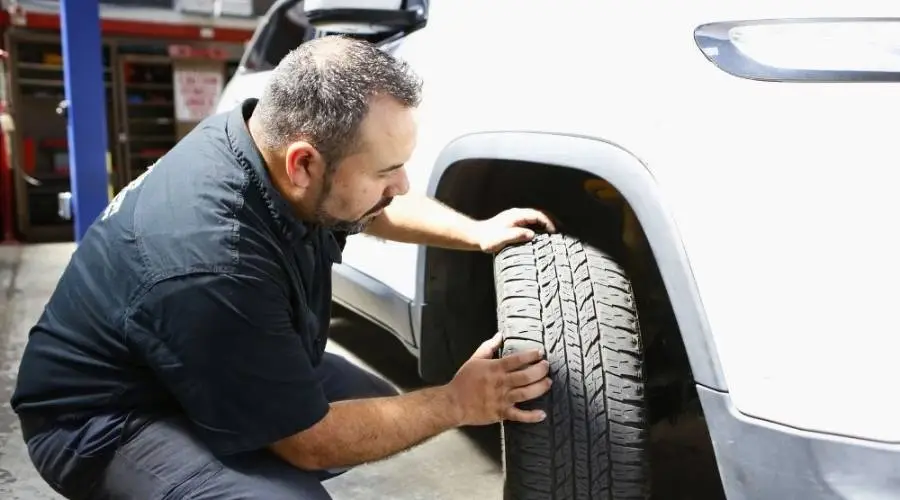
- Ensure tyres meet 1.5mm tread depth.
These steps are adapted from our roadworthy inspection preparation guide, which helps ensure smooth inspections and faster approvals.
What Happens If a Vehicle Fails Its COI?
If we find any issues, we’ll explain them clearly and issue a written report.
You’ll then have up to 14 days to complete the repairs and return for a re-inspection.
The good news? Most minor faults can be fixed at our workshop. Our mechanical repairs and tyres & balancing teams can handle everything from oil leaks to brake pad replacements, ensuring you meet compliance fast.
For insight into common causes of failure, check out common roadworthy failures & prevention.
Mobile COI Inspections – Convenience for Fleet Operators
We understand that bringing a fleet of vehicles to a workshop isn’t always practical. That’s why we offer mobile COI inspections — we come directly to your depot or worksite.
If you’re deciding between mobile or on-site services, you’ll find an in-depth comparison here:
Mobile Safety Certificate Near Me (Comparison Guide).
Recordkeeping and Compliance
After completing your Certificate of Inspection (COI), we electronically lodge the results with Queensland Transport and Main Roads (TMR) through the official online inspection system.
You’ll receive a digital COI certificate for your records, confirming your vehicle’s compliance status. For your convenience and peace of mind, Toros Roadworthy also retains a secure digital copy in our system — making future renewals and audits seamless.
Businesses can combine COI checks with our fleet maintenance & business vehicle reliability program for streamlined documentation and peace of mind.
Combining COI with Preventive Servicing
Many clients book COI inspections alongside logbook servicing or preventative maintenance to reduce downtime. This approach ensures vehicles stay roadworthy and mechanically reliable — a crucial factor for fleets operating daily in Queensland conditions.
Why Choose Toros Roadworthy for COI Inspections
We’re not just inspectors — we’re long-term partners in your business compliance.
Our clients choose us for:
- Fast turnarounds and accurate reports
- Licensed, TMR-approved inspectors
- Mobile and workshop flexibility
- Transparent pricing and communication
- Reminders and record management for fleets
As part of the QLD Roadworthy & Safety Certificate Hub, we’re committed to helping Queensland drivers and businesses navigate every inspection type with clarity and confidence.
Ready to Book Your COI Inspection? Keep your vehicles compliant and your business running smoothly with Toros Roadworthy, your local TMR-approved inspection station.
Whether you manage a fleet, rideshare, or commercial vehicle, our team provides reliable Certificate of Inspection (COI) services — both in our workshop and through our convenient mobile inspection units. Contact us today to schedule your inspection or request a quick quote.
We’ll make sure your fleet stays safe, compliant, and on the road — the way it should be.
Frequently Asked Questions
How long does a COI last?
Usually 6 months for rideshare/taxi vehicles, 12 months for heavy and fleet vehicles.
Can I operate without a COI?
No. Driving without a valid COI can result in fines or licence suspension.
Is a COI the same as a Safety Certificate?
No. COIs apply to commercial and fleet vehicles; Safety Certificates apply to private vehicles.
Do you offer mobile COI inspections?
Yes — available for fleets and accredited operators in Logan and surrounding suburbs.
How do I renew my COI?
We’ll remind you before expiry and can combine it with your Rego Inspection.