Want to pass your roadworthy inspection first time? Smart preparation is the key to success. Most vehicles that fail safety certificate inspections do so for easily preventable reasons that owners could have spotted and fixed beforehand.
As licensed Queensland examiners who’ve inspected thousands of vehicles across Logan and Brisbane South, we know exactly what causes failures and how to avoid them. This comprehensive preparation guide gives you the insider knowledge to approach your inspection with confidence.
Follow this step-by-step checklist, and you’ll dramatically increase your chances of passing first time while potentially saving hundreds of dollars in repairs and re-inspection fees.

The 14-Day Preparation Timeline
Two Weeks Before Your Inspection
Book Your Appointment
- Schedule early – Allow time for repairs if issues are discovered
- Choose service type – Workshop for cost savings or mobile for convenience
- Confirm requirements – Understand what documentation you need
- Plan backup dates – In case repairs extend your timeline
Initial Assessment
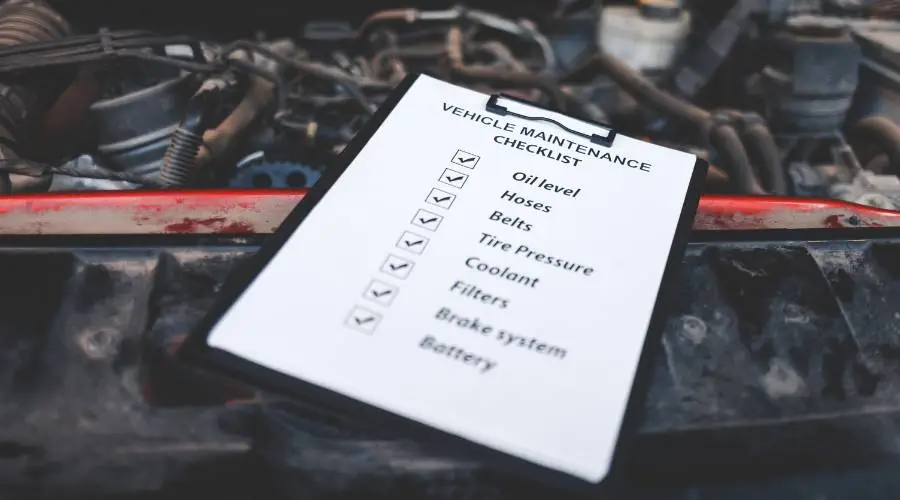
- Walk-around inspection – Look for obvious issues
- Test basic functions – Lights, wipers, horn, indicators
- Check fluid levels – Engine oil, brake fluid, power steering, washer fluid
- Note any concerns – Document potential problems for attention
Understand exactly what components will be inspected
One Week Before Your Inspection
Detailed Component Checks
- Tyre inspection – Tread depth, pressure, wear patterns, damage
- Brake assessment – Feel, noise, fluid leaks, handbrake effectiveness
- Light testing – All bulbs, lenses, connections, operation
- Safety equipment – Seatbelts, mirrors, windscreen condition
- Under-hood inspection – Leaks, unusual noises, component condition
Address Minor Issues
- Replace blown bulbs – $5-15 each vs $50+ re-inspection fee
- Top up fluids – Inexpensive prevention of potential failures
- Inflate tyres correctly – Check when cold for accurate readings
- Clean components – Remove dirt that might hide problems
- Tighten loose items – Mirrors, battery terminals, obvious connections
Complete Pre-Inspection Checklist
Exterior Inspection Points
Tyres and Wheels
- Tread depth minimum 1.5mm – Use 20-cent coin test
- Even wear patterns – No unusual wear indicating alignment issues
- Sidewall condition – No cuts, bulges, or exposed cords
- Correct pressure – Check manufacturer specifications when cold
- Matching construction – Same type on each axle (radial/bias)
- Wheel condition – No cracks, severe corrosion, or damage
- Valve caps present – Small detail that shows attention to maintenance
Pro Tip: The 20-cent coin test works perfectly for tread depth. Insert the coin into the tyre tread – if you can see the echidna’s head clearly, your tread is below the legal limit.
Lights and Electrical
- Headlights both beams – High and low beam operation
- Tail lights – Rear position lights functioning
- Brake lights – All bulbs including high-mounted stop light
- Indicators – Front, rear, side repeaters, dashboard indication
- Hazard lights – All four corners flashing synchronously
- Number plate lights – Illuminating registration clearly
- Reverse lights – Operating when in reverse gear
- Lens condition – No cracks allowing water ingress
5-Minute Light Check Method:
- Position vehicle where all lights are visible
- Have helper operate each light function
- Walk around vehicle checking each light
- Test from inside vehicle (indicators, high beam)
- Replace any blown bulbs immediately
Body and Structure
- Door operation – All doors open and close properly
- Window function – Driver’s window must open
- Mirror condition – Both external mirrors present and adjustable
- Sharp edges – No protruding metal that could cause injury
- Rust assessment – No structural damage to safety-critical areas
- Panel alignment – Doors, bonnet, boot align properly
Learn about common inspection failures and prevention strategies
Interior Safety Checks
Seatbelts and Safety Equipment
- Webbing condition – No cuts, fraying, or excessive wear
- Buckle operation – Latches securely and releases easily
- Retractor function – Locks during sudden pulls
- Mounting points – Securely attached to vehicle structure
- All positions – Check every seating position
- No modifications – Original seatbelt configuration maintained
Seatbelt Testing Method:
- Visual inspection – Check webbing for damage
- Extension test – Pull out smoothly, should retract properly
- Lock test – Pull sharply to verify locking mechanism
- Buckle test – Must latch with audible click and release easily
Windscreen and Vision
- Crack assessment – No cracks in driver’s vision area
- Chip evaluation – None larger than 20-cent coin
- Wiper operation – Blades clear water effectively
- Washer system – Adequate fluid and pump working
- Interior mirror – Securely mounted and unbroken
Controls and Instruments
- Horn operation – Audible and functioning
- Warning lights – No persistent fault indicators
- Handbrake function – Holds vehicle on slope
- Pedal feel – Brake pedal firm with adequate travel
Under-Hood Assessment
Engine Bay Inspection
- Fluid levels – Engine oil, brake fluid, power steering, coolant
- Leak detection – No significant oil, coolant, or fuel leaks
- Belt condition – No cracking, fraying, or excessive wear
- Battery security – Terminals tight, battery secured
- Unusual noises – No grinding, squealing, or knocking sounds
- Component mounting – Engine securely mounted
Fluid Check Guidelines:
- Engine oil – Between minimum and maximum marks
- Brake fluid – Above minimum line, clear appearance
- Power steering – Check when engine warm if dipstick present
- Coolant – Adequate level in overflow tank when cold
- Windscreen washer – Sufficient fluid for cleaning
Exhaust and Emissions
Exhaust System
- Visual inspection – No obvious damage or loose components
- Noise assessment – No excessive noise indicating leaks
- Smoke observation – Minimal smoke from exhaust
- Mounting security – Exhaust not dragging or rattling
- Emissions consideration – Appropriate for vehicle age and type
Steering and Suspension
Basic Function Tests
- Steering responsiveness – No excessive play in steering wheel
- Power steering – Smooth operation, no squealing
- Vehicle tracking – Drives straight without pulling
- Suspension bounce – No excessive bouncing after bumps
- Unusual noises – No clunking, grinding, or squealing
DIY Suspension Check:
- Bounce test – Push down firmly on each corner
- Response evaluation – Should stop bouncing within 1-2 cycles
- Noise assessment – Listen for clunking or grinding
- Visual inspection – Look for oil leaks around shock absorbers
Compare mobile and workshop inspection options for your situation
Professional Preparation Tips
What Licensed Examiners Look For
Attention to Detail
- Clean presentation – Shows care and maintenance awareness
- Obvious maintenance – Evidence of regular servicing
- Quick fixes – Basic issues addressed before inspection
- Documentation – Service records indicating responsible ownership
Safety Focus
- Critical systems first – Brakes, steering, tyres receive priority attention
- Consistent standards – Same criteria applied to every vehicle
- No shortcuts – All required components thoroughly checked
- Legal compliance – Strict adherence to Queensland Transport standards
Common Preparation Mistakes to Avoid
Mistake 1: Last-Minute Rush
- Problem: No time to fix discovered issues properly
- Solution: Start preparation 2 weeks early
- Benefit: Allows proper repair time and reduces stress
Mistake 2: Ignoring Obvious Problems
- Problem: Hoping inspector won’t notice known issues
- Solution: Address all known problems before inspection
- Benefit: Prevents guaranteed failure and saves re-inspection costs
Mistake 3: DIY Complex Repairs
- Problem: Improper repairs may create additional safety issues
- Solution: Use qualified professionals for complex problems
- Benefit: Ensures repairs meet safety standards
Mistake 4: Focusing Only on Major Items
- Problem: Simple issues like blown bulbs cause failures
- Solution: Check every component systematically
- Benefit: Prevents easily avoidable failures
Understand the true cost and validity of roadworthy certificates
Day-of-Inspection Preparation
Final 24-Hour Checklist
Vehicle Presentation
- Exterior wash – Clean vehicle for better component visibility
- Interior cleanup – Remove personal items blocking access
- Engine bay cleaning – Remove excessive dirt hiding potential problems
- Final light check – Confirm all lights still working
- Fluid top-up – Final check of all fluid levels
Documentation Ready
- Registration papers – Current registration certificate
- Driver’s license – Photo identification for inspector
- Service records – Recent maintenance documentation if available
- Previous certificates – History of roadworthy inspections
- Payment method – Cash, card, or bank transfer as accepted
Practical Considerations
- Fuel level – Sufficient fuel for inspector to test drive if needed
- Key accessibility – All keys available including any special keys
- Access clearance – Remove items blocking inspector access
- Contact information – Phone number for follow-up questions
What to Expect During Inspection
Typical Process:
- Initial assessment – Inspector reviews vehicle and documentation
- Systematic inspection – Each component checked methodically
- Test procedures – Lights, brakes, steering tested functionally
- Documentation – Findings recorded on official forms
- Results discussion – Pass/fail determination with explanation
Inspector Communication:
- Ask questions – Clarify any concerns about vehicle condition
- Request explanations – Understand what’s being checked and why
- Discuss findings – Learn about any issues discovered
- Plan next steps – Understand repair requirements if failures found
Know when you actually need roadworthy certificates
Special Preparation for Different Vehicle Types
Older Vehicles (10+ Years)
Additional Attention Areas:
- Rust inspection – Pay extra attention to structural areas
- Electrical systems – Older wiring may have connection issues
- Rubber components – Seals, hoses, and bushes deteriorate with age
- Emissions considerations – Older vehicles have different emission standards
Preparation Focus:
- Allow extra time for potential issues
- Budget for higher likelihood of repairs
- Consider professional pre-inspection assessment
- Document maintenance history to show care
Modified Vehicles
Compliance Considerations:
- Engineering certificates – Some modifications require professional certification
- Standard compliance – Modified components must still meet safety standards
- Documentation – Proof of compliant modifications may be required
- Professional assessment – Complex modifications may need specialist evaluation
Commercial and Fleet Vehicles
Business Considerations:
- Downtime planning – Schedule to minimize business impact
- Multiple vehicles – Stagger inspections to maintain fleet availability
- Record keeping – Maintain detailed inspection and maintenance records
- Compliance requirements – Additional regulations may apply
Seasonal Preparation Considerations
Wet Season Preparation (November-April)
Additional Checks:
- Wiper effectiveness – More critical during rainy periods
- Brake performance – Water exposure can affect brake systems
- Electrical integrity – Moisture can cause electrical faults
- Tyre condition – Wet weather traction more important
Dry Season Preparation (May-October)
Specific Considerations:
- Dust accumulation – Clean components for proper assessment
- Heat effects – Check coolant levels and cooling system
- Tyre pressure – Hot weather affects tyre pressure
- Fluid evaporation – Top up all fluid levels
Access comprehensive roadworthy certificate information
Emergency Preparation: Last-Minute Tips
If You Only Have 24 Hours
Priority Actions:
- Replace blown bulbs immediately – Cheapest fix with biggest impact
- Check tyre pressure – Quick adjustment prevents failure
- Top up all fluids – Simple prevention of multiple potential failures
- Test all lights – Ensure emergency bulb replacements worked
- Clean vehicle – Improve inspector’s ability to assess condition
Professional Help: If major issues are discovered, consider postponing inspection rather than attempting quick fixes that might create additional problems.
Post-Preparation Confidence Building
Signs You’re Well Prepared
Green Lights:
- All bulbs and lights functioning correctly
- Tyres in good condition with adequate tread
- No obvious leaks or unusual noises
- Fluid levels appropriate for all systems
- Vehicle drives normally with no pulling or vibration
Confidence Indicators:
- Systematic approach – Followed comprehensive checklist
- Professional advice – Consulted experts for complex issues
- Documentation ready – All required papers organized
- Realistic expectations – Understand that minor issues are normal
Managing Inspection Anxiety
Perspective Reminders:
- Most vehicles pass roadworthy inspections without major issues
- Proper preparation dramatically improves success chances
- Failed inspections provide valuable safety information
- Professional examiners want to help you succeed safely
Practical Approach:
- Focus on what you can control through preparation
- Remember that safety is the ultimate goal
- View inspection as partnership in vehicle safety
- Plan for success but prepare for potential minor issues
Making Preparation Pay Off
Thorough preparation for your roadworthy inspection isn’t just about passing – it’s about ensuring your vehicle is genuinely safe for you, your family, and other road users. The time invested in systematic preparation pays dividends through:
Immediate Benefits:
- Higher likelihood of first-time pass
- Reduced stress and anxiety about inspection
- Cost savings from avoiding re-inspection fees
- Better understanding of your vehicle’s condition
Long-term Value:
- Enhanced vehicle safety and reliability
- Early detection of potential problems
- Improved maintenance awareness
- Peace of mind about vehicle condition
Professional Partnership: Working with licensed examiners who provide clear guidance and transparent service makes the process straightforward and educational rather than stressful.
Ready for your roadworthy inspection? With proper preparation and professional service, you can approach your safety certificate inspection with confidence, knowing you’ve done everything possible to ensure success.
Book your prepared vehicle’s roadworthy inspection