
Wondering exactly what gets checked during a roadworthy inspection in Queensland? You’re not alone. Many Queensland drivers feel anxious about roadworthy inspections simply because they don’t know what to expect. Understanding what’s included in a safety certificate inspection helps you prepare your vehicle and avoid costly surprises.
As licensed Queensland examiners, we’ll walk you through every component that gets inspected during a roadworthy certificate assessment, explain why each item matters for your safety, and share insider tips to help your vehicle pass first time.
Why Queensland Has Strict Roadworthy Inspection Standards
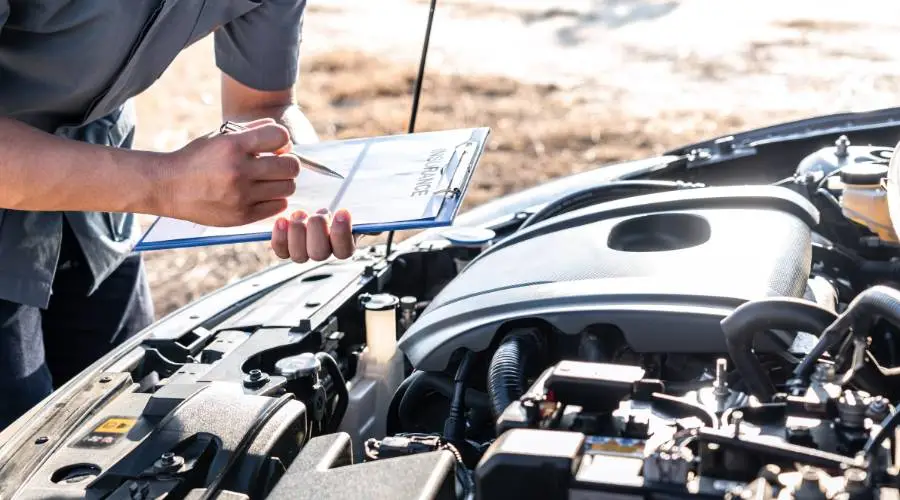
Queensland’s roadworthy inspection requirements exist for one critical reason: keeping you and other road users safe. Every year, vehicle defects contribute to serious accidents that could be prevented through proper safety inspections.
The Queensland Department of Transport mandates specific inspection criteria that every licensed examiner must follow. This ensures consistent standards whether you get your safety certificate in Brisbane, Logan, or anywhere else in Queensland.
Learn when you need a roadworthy certificate in Queensland
The Complete Queensland Roadworthy Inspection Checklist
1. Tyres and Wheels: Your First Line of Safety
What Gets Inspected:
- Tread depth – Must be at least 1.5mm across the full width
- Tyre condition – No cuts, bulges, or exposed cords
- Matching tyres – Same construction type on each axle
- Wheel condition – No cracks, severe corrosion, or damage
- Tyre pressure – Adequate inflation for safe handling
Why It Matters: Worn or damaged tyres are the leading cause of roadworthy failures. Poor tyres affect braking distance, handling, and can cause dangerous blowouts.
Pro Tip: Check your tyres a week before your inspection. The 20-cent coin test works perfectly – if you can see the echidna’s head when inserted into the tread, your tyres need replacing.
2. Braking System: Critical for Stopping Power
What Gets Inspected:
- Brake pedal feel – Firm pedal with adequate travel
- Brake fluid level – Sufficient fluid in reservoir
- Brake hoses – No cracks, bulges, or leaks
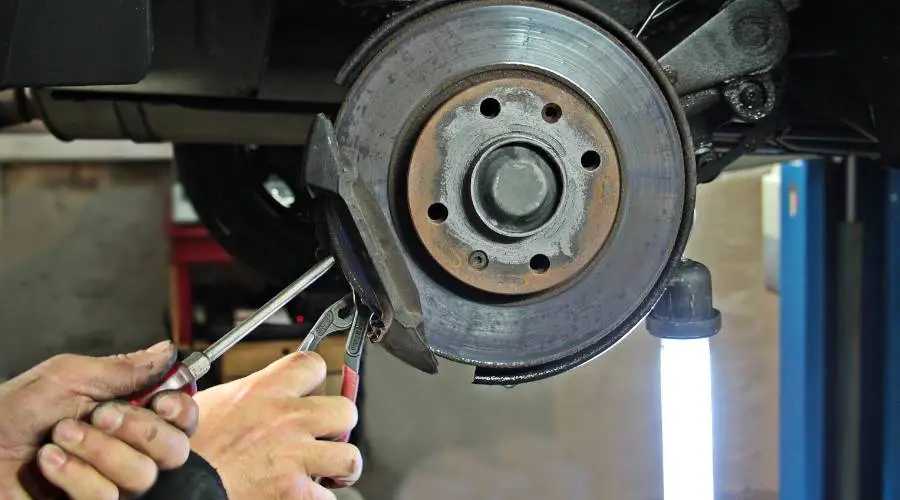
- Brake discs/drums – Within wear limits, no scoring
- Brake pads/shoes – Adequate material remaining
- Handbrake operation – Holds vehicle on 20% gradient
Why It Matters: Faulty brakes are responsible for numerous accidents. Queensland law requires brakes capable of stopping your vehicle safely under all conditions.
Common Issues: Squealing brakes, spongy pedal feel, or grinding noises often indicate brake system problems that will cause inspection failure.
Discover common reasons vehicles fail roadworthy inspections.
3. Steering and Suspension: Control and Stability
What Gets Inspected:
- Steering wheel play – Excessive movement indicates wear
- Power steering – Smooth operation, adequate fluid
- Ball joints and tie rods – No excessive wear or damage
- Shock absorbers – No leaks, adequate damping
- Suspension bushes – Not perished or excessively worn
- Wheel alignment – Vehicle tracks straight when driving
Why It Matters: Steering and suspension systems keep your vehicle stable and controllable. Worn components cause poor handling, uneven tyre wear, and dangerous instability.
Warning Signs: If your car pulls to one side, has excessive bounce after bumps, or makes clunking noises over bumps, suspension issues may cause inspection failure.
4. Lights and Electrical: Visibility and Communication
What Gets Inspected:
- Headlights – Both high and low beam operation
- Tail lights – Rear position lights functioning
- Brake lights – All bulbs working, correct operation
- Indicators – Front, rear, and side repeater lights
- Hazard lights – All four corners flashing correctly
- Number plate lights – Illuminating registration clearly
- Reverse lights – Operating when in reverse gear
Why It Matters: Proper lighting ensures other drivers can see you and understand your intentions. Faulty lights are easily preventable causes of roadworthy failure.
Quick Check: Walk around your vehicle with someone operating the lights. This 5-minute check can save you a failed inspection and return trip.
5. Windscreen and Mirrors: Clear Vision
What Gets Inspected:
- Windscreen condition – No cracks in driver’s vision area
- Windscreen wipers – Blades clear water effectively
- Washer system – Adequate fluid, pump working
- Interior mirror – Securely mounted, unbroken
- External mirrors – Both sides present and adjustable
Why It Matters: Clear vision is essential for safe driving. Even small windscreen chips can grow into large cracks that compromise structural integrity.
Important: Chips smaller than a 20-cent coin are usually acceptable unless they’re directly in the driver’s line of sight.
Get our pre-inspection checklist to prepare your vehicle.
6. Seatbelts and Safety Equipment: Protecting Occupants
What Gets Inspected:
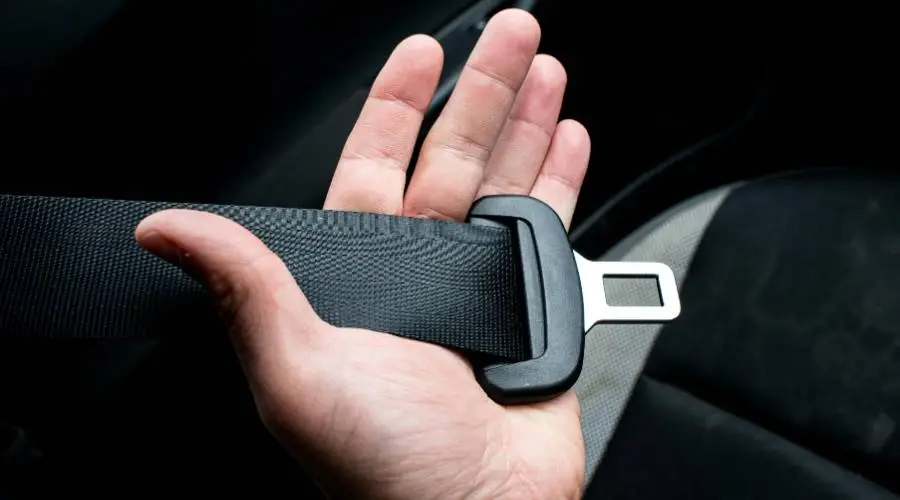
- Seatbelt webbing – No cuts, fraying, or excessive wear
- Buckle operation – Latches and releases correctly
- Retractor mechanism – Locks properly during sudden stops
- Mounting points – Securely attached to vehicle structure
- Airbag warning lights – No fault codes displayed
Why It Matters: Seatbelts save lives. Faulty seatbelts won’t protect occupants in an accident and represent serious safety risks.
Check Method: Pull each seatbelt firmly and ensure it locks. Check webbing for cuts or fraying, especially where it rubs against seat edges.
7. Body and Chassis: Structural Integrity
What Gets Inspected:
- Rust and corrosion – No structural damage to safety-critical areas
- Panel condition – Doors, bonnet, boot operate correctly
- Sharp edges – No protruding metal that could cause injury
- Exhaust system – Secure mounting, no dangerous leaks
- Fuel system – No leaks from tank, lines, or connections
Why It Matters: The vehicle’s structure protects you in accidents. Severe rust or damage can compromise crash protection and create safety hazards.
Critical Areas: Particular attention is paid to suspension mounting points, seatbelt anchorages, and areas around fuel tanks.
8. Engine and Emissions: Performance and Environment
What Gets Inspected:
- Engine mounting – Secure attachment, no excessive movement
- Exhaust emissions – Within acceptable limits for vehicle age
- Fluid leaks – No significant oil, coolant, or fuel leaks
- Engine noise – No unusual sounds indicating internal damage
- Warning lights – Check engine or other fault indicators
Why It Matters: Properly functioning engines ensure reliable operation and reduce environmental impact through controlled emissions.
9. Doors and Locks: Security and Safety
What Gets Inspected:
- Door operation – All doors open and close properly
- Door locks – Secure latching mechanism
- Window operation – Driver’s window must open
- Emergency exits – Rear doors accessible from inside
- Child safety locks – Functional if fitted
Why It Matters: Doors must open for normal entry/exit and emergency evacuation. Faulty door mechanisms can trap occupants in emergencies.
What’s NOT Included in Queensland Roadworthy Inspections
Understanding what’s excluded helps set realistic expectations:
Items NOT Checked:
- Air conditioning performance
- Radio or entertainment systems
- Minor cosmetic damage (small dents, scratches)
- Engine performance (unless affecting safety)
- Automatic transmission operation
- Non-safety related comfort features
Important: Roadworthy inspections focus solely on safety-critical components. They’re not comprehensive mechanical assessments.
Consider a pre-purchase inspection for used car buying
How Long Does a Queensland Roadworthy Inspection Take?
Typical Timeframes:
- Workshop inspection: 30-45 minutes for straightforward vehicles
- Mobile inspection: 45-60 minutes including travel time
- Complex vehicles: Up to 90 minutes for larger or modified vehicles
Factors Affecting Duration:
- Vehicle condition and maintenance history
- Accessibility of components for inspection
- Need for additional testing (emissions, brake testing)
- Required paperwork and documentation
What Happens If Your Vehicle Fails?
Don’t panic if your vehicle doesn’t pass immediately. Most failures involve minor, easily fixed issues:
The Process:
- Detailed report – You receive written explanation of all faults
- 7-day window – Time to fix issues and return for re-inspection
- Targeted re-check – Only failed items are re-inspected
- Certificate issued – Once all faults are corrected
Common Quick Fixes:
- Replacing blown light bulbs
- Topping up brake or power steering fluid
- Inflating tyres to correct pressure
- Replacing wiper blades
Learn why most roadworthy failures are easily preventable
Preparing for Your Queensland Roadworthy Inspection
Week Before Inspection:
- Check all lights and replace blown bulbs
- Inspect tyres for wear and correct pressure
- Test windscreen wipers and washer fluid
- Listen for unusual noises from brakes or engine
- Ensure all doors and windows operate properly
Day of Inspection:
- Clean your vehicle for better visibility of components
- Remove personal items for inspector access
- Bring registration papers and identification
- Have contact details ready for any follow-up questions
Pro Tip: Address obvious issues before your inspection. It’s much cheaper to replace a light bulb yourself than pay for a failed inspection and return visit.
Why Choose Professional Roadworthy Inspections
Benefits of Licensed Examiners:
- Legal compliance – Certificates accepted by Queensland Transport
- Expertise – Trained to identify safety-critical issues
- Equipment – Proper tools for accurate assessment
- Insurance – Protection against incorrect assessments
- Consistency – Standardised inspection procedures
Toros Roadworthy Advantages:
- 15+ years experience with Queensland inspections
- Mobile service available within 20km of Slacks Creek
- Same-day certificates for vehicles that pass
- Transparent pricing with no hidden fees
- Detailed explanations of any issues found
Compare mobile vs workshop roadworthy inspection options.
Understanding Roadworthy vs Comprehensive Vehicle Inspections
Roadworthy Focus: Safety-critical components only Comprehensive Focus: Overall vehicle condition and reliability
If you’re buying a used car, a roadworthy certificate only confirms basic safety compliance. It doesn’t assess engine condition, transmission health, or predict future repair needs.
Frequently Asked Questions About Queensland Roadworthy Inspections
Q: Can I watch during my roadworthy inspection? A: Most examiners welcome your presence and will explain what they’re checking. It’s a great learning opportunity.
Q: How thorough is a roadworthy inspection compared to a service? A: Roadworthy inspections focus on immediate safety issues, while services address maintenance and reliability.
Q: Do electric or hybrid vehicles have different inspection requirements? A: Basic safety requirements remain the same, though some components (like regenerative braking) may require specialized knowledge.
Q: What if my vehicle has been modified? A: Modified vehicles must still meet standard safety requirements. Some modifications may require additional engineering certification.
Q: Can weather affect my roadworthy inspection? A: Severe weather may delay mobile inspections, but workshop inspections continue regardless of conditions.
Getting Your Queensland Roadworthy Certificate
Understanding what’s included in a Queensland roadworthy inspection removes the mystery and helps you prepare properly. Remember, these inspections exist to keep you safe on the road – they’re not designed to catch you out or create unnecessary expenses.
Most vehicles in reasonable condition pass their roadworthy inspection without issues. By checking the key items beforehand and addressing obvious problems, you’ll save time and money while ensuring your vehicle meets Queensland’s safety standards.
Ready for your roadworthy inspection? Whether you choose our convenient mobile service or visit our Slacks Creek workshop, you’ll receive the same thorough, professional inspection from Queensland licensed examiners.
Book your Queensland roadworthy certificate inspection today