
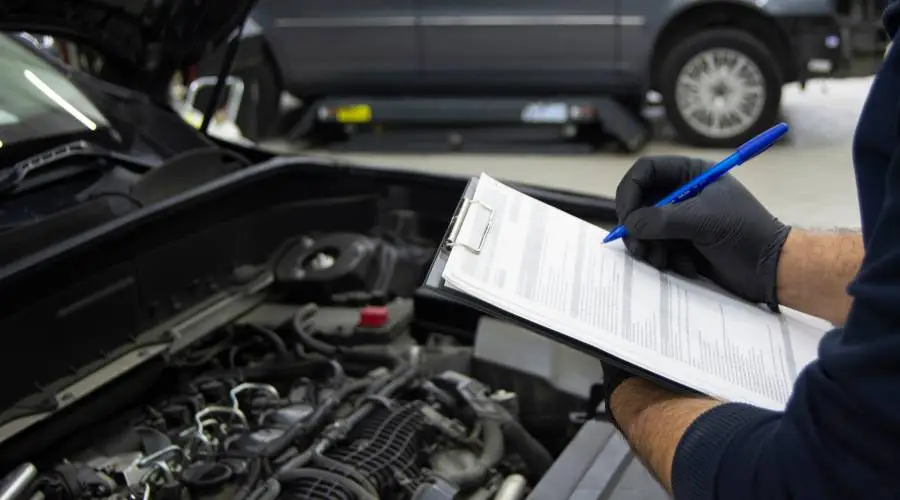
Wondering what logbook servicing actually involves and why it’s so important for your vehicle? You’re asking the right question. Logbook servicing is your vehicle’s roadmap to maintaining warranty coverage, optimal performance, and long-term reliability.
Many Queensland drivers skip or delay logbook services to save money, not realizing this decision could void their warranty and lead to expensive repairs that would otherwise be covered. Understanding what logbook servicing involves and why it matters helps you make informed decisions about your vehicle’s care.
As experienced mechanics serving Logan and Brisbane South, we’ll explain exactly what logbook servicing includes, why manufacturers require it, and how following the schedule protects your investment while keeping you safely on the road.

Understanding Logbook Servicing: The Basics
What Is Logbook Servicing?
Definition: Logbook servicing is maintenance performed according to your vehicle manufacturer’s exact specifications, recorded in your service logbook to maintain warranty coverage and optimal vehicle performance.
Key Components:
- Manufacturer specifications – Following exact requirements for your make and model
- Scheduled intervals – Service timing based on time or kilometers
- Documentation – Proper recording in service logbook or digital records
- Quality parts – Using genuine or equivalent approved components
- Qualified technicians – Performed by trained automotive professionals
Why “Logbook” Service? The term comes from the physical service book (logbook) that comes with new vehicles, containing:
- Service schedules – When specific services are due
- Checklists – What needs to be checked or replaced
- Record pages – For documenting completed services
- Warranty information – Terms and conditions for coverage
Modern Evolution: While physical logbooks still exist, many manufacturers now use:
- Digital service records – Online portals for service history
- App-based tracking – Mobile applications for service reminders
- Dealer integration – Automatic updating of service records
- Cloud storage – Permanent backup of service history
Learn about early warning signs that indicate your car needs mechanical attention
What’s Included in Logbook Servicing?
Standard Service Components
Engine Care:
- Oil and filter change – High-quality oil matched to your engine specifications
- Air filter inspection – Replacement when dirty or clogged
- Fuel filter check – Ensuring clean fuel delivery
- Spark plug assessment – Condition and gap measurement
- Belt inspection – Drive belts, timing belts, serpentine belts
Fluid Systems:
- Brake fluid check – Level, condition, and moisture content
- Power steering fluid – Level and condition assessment
- Coolant system – Level, concentration, and leak inspection
- Windscreen washer – Topping up cleaning fluid
- Differential oil – Level check and condition assessment
Safety Systems:
- Brake system inspection – Pads, discs, lines, operation
- Suspension check – Shocks, struts, bushes, alignment
- Tyre assessment – Tread depth, pressure, wear patterns
- Lights and electrical – All lighting systems and warning indicators
- Safety equipment – Seatbelts, mirrors, windscreen condition
Performance Monitoring:
- Battery testing – Charge capacity and terminal condition
- Exhaust inspection – System integrity and emissions
- Diagnostic scan – Computer system fault code checking
- Road test – Operational assessment of all systems
Service Variations by Interval
Minor Service (Every 6 Months/10,000km):
- Oil and filter change
- Basic fluid level checks
- Visual safety inspection
- Battery and lights test
- Tyre pressure and condition
Major Service (Every 12 Months/20,000km):
- All minor service items plus:
- Air filter replacement
- Comprehensive brake inspection
- Suspension and steering check
- Cooling system service
- Extensive diagnostic testing
Comprehensive Service (Annual or per manufacturer schedule):
- All previous items plus:
- Timing belt inspection/replacement
- Transmission service
- Differential service
- Comprehensive electrical testing
- Detailed component inspections
Understand when brake and suspension components need replacement for safety

Why Logbook Servicing Is Essential
Warranty Protection
Manufacturer Requirements:
- Service compliance – Following exact specifications maintains coverage
- Documentation – Proper records essential for warranty claims
- Quality standards – Using approved parts and procedures
- Timing compliance – Cannot exceed recommended intervals
What Warranty Covers:
- Major component failures – Engine, transmission, electrical systems
- Manufacturing defects – Design or assembly problems
- Premature wear – Components failing before expected lifespan
- Recall coverage – Access to manufacturer recalls and updates
Warranty Void Scenarios:
- Missed services – Exceeding recommended intervals
- Improper documentation – Inadequate service records
- Non-compliant parts – Using inferior or incorrect components
- Unauthorized modifications – Changes affecting system operation
Financial Protection:
- Engine replacement – $8,000-15,000 potential warranty coverage
- Transmission repair – $3,000-8,000 potential savings
- Electrical systems – $1,000-5,000 component failures covered
- Air conditioning – $1,500-3,000 system replacements
Vehicle Performance and Reliability
Optimal Operation:
- Engine efficiency – Clean oil and filters maximize performance
- Fuel economy – Proper maintenance improves fuel consumption
- Smooth operation – Regular service prevents rough running
- Power delivery – Maintained systems provide consistent performance
Longevity Benefits:
- Extended lifespan – Regular maintenance doubles average vehicle life
- Reduced breakdowns – Preventive care prevents unexpected failures
- Maintained value – Service history preserves resale worth
- Lower operating costs – Prevention costs less than emergency repairs
Compare independent mechanics versus dealer servicing for the best value
Logbook Service Intervals Explained
Understanding Service Schedules
Time-Based Intervals:
- Every 6 months – Minimum service frequency regardless of distance
- Annual services – Comprehensive inspections and replacements
- Seasonal timing – Preparing for weather extremes
- Calendar reminders – Scheduling around your availability
Distance-Based Intervals:
- Every 10,000km – Standard interval for most modern vehicles
- Every 15,000km – Extended intervals with synthetic oil
- Every 5,000km – Severe driving conditions may require shorter intervals
- Odometer tracking – Monitoring kilometers since last service
Severe Driving Conditions:
- Stop-start city driving – Harder on engines than highway driving
- Short trips – Engine doesn’t reach optimal operating temperature
- Dusty environments – Increased air filter and component wear
- Towing or heavy loads – Additional stress on engine and transmission
- Extreme temperatures – Hot or cold weather affects all systems
Manufacturer-Specific Schedules
European Vehicles:
- Longer intervals – Often 12-18 months or 15,000-20,000km
- Variable service – Computer-determined service intervals
- Synthetic oil – High-quality oil enables extended intervals
- Comprehensive service – Extensive checks when service is due
Japanese Vehicles:
- Conservative intervals – Often 6 months or 10,000km
- Regular service – Frequent minor services prevent problems
- Reliability focus – Emphasis on preventing any failures
- Cost-effective – Lower service costs but more frequent
Australian Conditions:
- Climate considerations – Heat and humidity affect service needs
- Dust and conditions – May require more frequent air filter changes
- Fuel quality – Local fuel characteristics influence service needs
- Driving patterns – Urban vs rural driving affects requirements
Learn about optimal car service intervals and fluid maintenance schedules
Common Logbook Servicing Mistakes
Timing Errors
Service Delays:
- Problem: Waiting too long between services
- Consequence: Warranty void and potential component damage
- Solution: Set calendar reminders and track kilometers
- Prevention: Book next service when current service is completed
Incorrect Intervals:
- Problem: Following generic advice instead of manufacturer requirements
- Consequence: Over-servicing (wasted money) or under-servicing (warranty risk)
- Solution: Follow your specific vehicle’s logbook requirements
- Reference: Check owner’s manual for exact specifications
Documentation Failures
Poor Record Keeping:
- Problem: Inadequate service documentation
- Consequence: Warranty claims may be rejected
- Solution: Ensure all services are properly recorded
- Best practice: Keep digital and physical copies of records
Missing Information:
- Problem: Service records lack required details
- Consequence: Warranty disputes and resale value reduction
- Solution: Verify all fields are completed correctly
- Requirements: Date, kilometers, work performed, parts used
Service Quality Issues
Shortcuts and Compromises:
- Problem: Using inferior parts or skipping inspection items
- Consequence: Premature failures and warranty voiding
- Solution: Choose qualified mechanics using proper parts
- Verification: Ask to see parts and specifications used
Get seasonal car maintenance tips specific to Queensland driving conditions
Choosing the Right Service Provider
Qualification Requirements
What to Look For:
- Qualified mechanics – Proper automotive training and certification
- Equipment access – Diagnostic tools and specialized equipment
- Parts quality – Genuine or approved equivalent components
- Documentation systems – Proper service record keeping
Questions to Ask:
- Are you qualified to perform logbook servicing on my vehicle make?
- What oil and parts do you use for my specific model?
- How do you document service completion and parts used?
- What warranty do you provide on parts and labor?
Independent vs Dealer Servicing
Independent Mechanic Advantages:
- Cost savings – Often 20-40% less expensive than dealers
- Personal service – Direct relationship with mechanics
- Flexibility – More accommodating scheduling and service options
- Transparency – Often more willing to explain work performed
Dealer Service Advantages:
- Manufacturer training – Specific expertise in your vehicle make
- Genuine parts – Access to OEM components
- Warranty integration – Direct connection to manufacturer systems
- Latest updates – Access to service bulletins and recalls
The Best Choice: Independent mechanics who specialize in your vehicle make often provide the best value, combining cost savings with expertise while maintaining full warranty compliance.
Cost Considerations for Logbook Servicing
Service Pricing Factors
What Affects Costs:
- Vehicle type – Luxury and European vehicles typically cost more
- Service interval – Major services cost more than minor services
- Parts quality – Genuine parts cost more than aftermarket alternatives
- Labor rates – Vary by location and service provider expertise
Typical Cost Ranges (Logan Area):
- Minor service: $180-280 for standard vehicles
- Major service: $350-550 including filters and comprehensive checks
- European vehicles: Add 20-40% to standard pricing
- Luxury vehicles: Premium pricing for specialized knowledge and parts
Value vs Cost Analysis
Long-Term Savings:
- Warranty protection – Potential savings of thousands in covered repairs
- Reliability – Reduced breakdown and emergency repair costs
- Resale value – Complete service history adds significant value
- Fuel economy – Well-maintained engines use less fuel
Cost Comparison:
- Skipped service: $200 saved now, potential $2,000+ repair costs later
- Proper service: $300 investment, potential warranty coverage worth thousands
- Emergency repairs: Often 3-5 times more expensive than preventive maintenance
Learn how to prepare your car for service to maximize value.

Fleet and Business Vehicle Considerations
Commercial Vehicle Requirements
Business Benefits:
- Tax deductions – Service costs are business expenses
- Downtime reduction – Scheduled maintenance prevents breakdowns
- Compliance – Meeting commercial vehicle requirements
- Asset protection – Maintaining vehicle fleet value
Fleet Management:
- Staggered scheduling – Prevent multiple vehicles out of service
- Cost budgeting – Predictable maintenance expenses
- Record systems – Comprehensive maintenance tracking
- Priority service – Business customers receive scheduling priority
Discover how fleet maintenance plans keep business vehicles reliable and profitable
Frequently Asked Questions About Logbook Servicing
Can I perform logbook servicing myself?
While you can do basic maintenance, logbook servicing requires professional documentation and expertise to maintain warranty coverage.
What happens if I miss a service interval?
Missing intervals can void warranty coverage. Contact your service provider immediately to minimize potential issues.
Are aftermarket parts acceptable for logbook servicing?
Yes, if they meet or exceed manufacturer specifications. Your mechanic should confirm part compatibility and quality.
How long does logbook servicing take?
Minor services typically take 1-2 hours, while major services may require 3-4 hours depending on vehicle complexity.
Do I need the physical logbook?
Not necessarily. Digital records are acceptable, but proper documentation of service completion is essential. Find qualified mechanics in your local area for reliable logbook servicing
Making Logbook Servicing Work for You
Understanding logbook servicing empowers you to make informed decisions about your vehicle’s care. It’s not just about following rules – it’s about protecting your investment, ensuring your safety, and maintaining reliable transportation.
Key Takeaways:
- Warranty protection requires following manufacturer specifications exactly
- Cost savings come from preventing expensive repairs through regular maintenance
- Documentation is essential for warranty claims and resale value
- Qualified mechanics can provide logbook servicing more affordably than dealers
- Regular scheduling prevents service delays that could void coverage
Professional Service: At Toros Roadworthy, we understand the importance of proper logbook servicing for protecting your warranty and maintaining vehicle reliability. Our qualified mechanics follow manufacturer specifications while providing transparent, cost-effective service.
Ready for professional logbook servicing? Whether you drive a new vehicle under warranty or want to maintain an older car’s reliability, proper logbook servicing is your best investment in trouble-free motoring.
Contact us for professional logbook servicing that protects your warranty