Queensland’s unique climate presents specific challenges for vehicle maintenance that drivers in other states never face. From scorching summer heat that can exceed 40°C to intense wet seasons with flooding rains, your vehicle needs specialized care to handle these extreme conditions reliably.
Many Queensland drivers follow generic automotive advice that doesn’t account for our subtropical climate, leading to preventable breakdowns during the most challenging weather conditions. Understanding how to prepare your vehicle for each season protects your investment and prevents dangerous roadside failures.
As experienced mechanics serving Logan and Brisbane South, we’ve seen how Queensland’s climate affects vehicles differently throughout the year. Here’s your complete guide to seasonal car care that keeps your vehicle running reliably in our challenging conditions.

Understanding Queensland’s Climate Impact on Vehicles
The Two-Season Reality
Dry Season (May – October):
- Temperature extremes – Daily temperatures often 25-35°C, with 40°C+ peaks
- Low humidity – Dry air affects rubber seals and electrical components
- Dust and debris – Construction, bushfires, and dry conditions increase airborne particles
- UV intensity – Strong sun damages paintwork, rubber, and plastic components
Wet Season (November – April):
- High humidity – 70-90% humidity affects electrical systems and brake performance
- Temperature variation – Hot days followed by cool, wet periods stress components
- Flooding risks – Water damage to electrical and mechanical systems
- Corrosion acceleration – Moisture and salt air increase rust and deterioration
Climate-Specific Vehicle Stress
Heat-Related Challenges:
- Engine cooling – Systems work harder in extreme temperatures
- Tire pressure – Heat expansion affects pressure and wear patterns
- Battery performance – Heat accelerates electrolyte evaporation and plate corrosion
- Fluid degradation – Oil, coolant, and brake fluid break down faster in heat
Humidity and Moisture Issues:
- Electrical problems – Moisture causes corrosion and connection failures
- Brake performance – Humid air affects brake fluid and component operation
- Air conditioning strain – Constant use during humid conditions increases wear
- Mold and odors – Moisture accumulation in ventilation systems
Road Condition Factors:
- Asphalt softening – Hot roads increase tire wear and puncture risks
- Pothole proliferation – Wet season creates road surface damage
- Salt exposure – Coastal areas have additional corrosion challenges
- Debris hazards – Storm damage creates road obstacles and tire hazards
Learn about regular logbook servicing that prepares vehicles for seasonal challenges
Pre-Summer Preparation (April – May)
Cooling System Readiness
Coolant System Service:
- Coolant concentration – Ensure proper mixture for heat protection
- Radiator condition – Clean debris and check for leaks or damage
- Hose inspection – Replace cracked or bulging hoses before failure
- Thermostat testing – Verify proper opening temperature and operation
- Water pump assessment – Listen for bearing noise or leaks
Air Conditioning Preparation:
- System performance test – Check cooling capacity and temperature output
- Refrigerant levels – Top up or service if cooling is insufficient
- Component inspection – Condenser, evaporator, and compressor assessment
- Cabin filter replacement – Clean air flow for optimal performance
- Antibacterial treatment – Eliminate odors and improve air quality
Preventive Measures:
- Cooling system flush – Remove scale and debris buildup
- Belt and pulley inspection – Ensure proper tension and condition
- Temperature monitoring – Verify gauge accuracy and warning systems
- Emergency supplies – Coolant, water, and tools for breakdowns
Battery and Electrical System
Battery Preparation:
- Load testing – Verify battery capacity under heat stress
- Terminal cleaning – Remove corrosion and ensure tight connections
- Electrolyte levels – Top up with distilled water if accessible
- Mounting security – Prevent vibration damage during hot weather driving
Electrical System Check:
- Alternator performance – Ensure adequate charging under A/C load
- Wiring inspection – Check for heat damage or insulation deterioration
- Fuse and relay testing – Verify all electrical systems function properly
- Lighting assessment – High temperatures affect bulb life and lens clarity
Recognize early warning signs that indicate your cooling system needs attention

Summer Survival Strategies (November – March)
Heat Management
Daily Operation Tips:
- Early morning driving – Cooler temperatures reduce system stress
- Parking strategies – Shade parking protects interior and reduces A/C load
- Gradual warm-up – Allow engine to reach operating temperature slowly
- A/C efficiency – Use recirculation mode for faster cooling and fuel economy
Tire Care in Heat:
- Pressure monitoring – Check monthly when tires are cold
- Heat expansion adjustment – Account for 1-2 PSI increase when hot
- Tread depth maintenance – Worn tires more susceptible to heat failure
- Load management – Avoid overloading vehicles in extreme heat
- Speed considerations – High speeds generate additional tire heat
Fluid Management:
- Oil change timing – Consider shorter intervals in extreme heat
- Brake fluid monitoring – Heat affects brake performance and safety
- Power steering checks – High temperatures stress hydraulic systems
- Windscreen washer – Use quality fluid that won’t evaporate quickly
Emergency Preparedness
Overheating Response:
- Warning recognition – Temperature gauge, steam, or warning lights
- Safe stopping – Pull over immediately when overheating occurs
- Engine protection – Turn off A/C, turn on heater to help cooling
- Professional help – Don’t attempt repairs on hot engines
Heat-Related Breakdown Kit:
- Extra water – For cooling system emergencies (not for drinking)
- Coolant concentrate – Emergency top-up capability
- Sunshade – Interior protection during roadside stops
- Emergency contact – Reliable towing service familiar with heat issues
Understand optimal service intervals that account for Queensland’s harsh summer conditions
Pre-Wet Season Preparation (October – November)
Brake System Readiness
Brake Performance Check:
- Pad condition – Ensure adequate material for wet weather stopping
- Brake fluid service – Fresh fluid prevents moisture contamination
- Disc condition – Smooth surfaces essential for wet weather braking
- ABS functionality – Critical for maintaining control on wet roads
Tire Preparation:
- Tread depth assessment – Minimum 3mm recommended for wet conditions
- Pressure optimization – Correct pressure improves wet traction
- Rotation timing – Even wear patterns for consistent wet performance
- Alignment check – Proper tracking prevents hydroplaning tendencies
Electrical System Protection:
- Wiring inspection – Seal damaged areas before moisture exposure
- Battery terminals – Apply protective coating to prevent corrosion
- Lighting systems – Verify all lights function for visibility
- Fuse box sealing – Check gaskets and seals for water protection
Drainage and Sealing
Water Entry Prevention:
- Door seals – Check weatherstripping around doors and windows
- Sunroof drainage – Clear drain tubes and test seal integrity
- Air intake protection – Ensure air filter box seals properly
- Floor seal inspection – Check for potential water entry points
Ventilation System:
- Cabin filter replacement – Fresh filter for wet season air quality
- Drainage clearing – Ensure A/C condensation drains freely
- Vent operation – Test all ventilation modes and fan speeds
- Demisting preparation – Clean windows and check defogger operation
Learn about brake and suspension maintenance crucial for wet weather safety
Wet Season Management (December – April)
Daily Driving Adaptations
Water Damage Prevention:
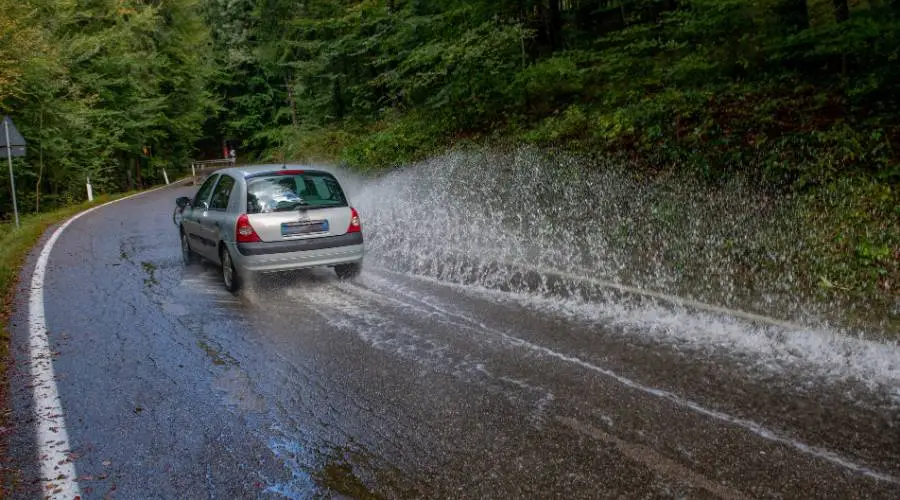
- Flood awareness – Know your route’s flood-prone areas
- Water depth judgment – Never attempt crossings above wheel center height
- Engine protection – Turn off engine immediately if water enters air intake
- Electrical safety – Avoid driving through deep water to protect electrical systems
Performance Optimization:
- Gentle acceleration – Avoid wheel spin on wet surfaces
- Brake warming – Light brake application after water crossings
- Visibility maintenance – Clean windows and lights regularly
- Following distances – Increased stopping distances on wet roads
Humidity Control:
- A/C operation – Use A/C even when cool to control humidity
- Demisting techniques – Outside air mode helps clear foggy windows
- Interior protection – Remove wet items promptly to prevent mold
- Ventilation maintenance – Regular system use prevents odor buildup
Moisture Management
Electrical System Care:
- Terminal protection – Regular cleaning and anti-corrosion treatment
- Connection security – Ensure all electrical connections remain tight
- Fault monitoring – Address electrical issues immediately
- Professional inspection – Annual electrical system assessment
Mechanical Protection:
- Lubrication maintenance – Grease fittings need more frequent service
- Rust prevention – Regular washing and protective treatments
- Component drying – Allow systems to dry after water exposure
- Early intervention – Address moisture-related problems quickly
Find qualified mechanics experienced with Queensland’s challenging seasonal conditions
Year-Round Maintenance Adaptations
Monthly Inspection Routine
Cooling System:
- Coolant level – Check when engine is cold
- Leak detection – Look for puddles or stains under vehicle
- Belt condition – Check tension and wear patterns
- Temperature monitoring – Watch gauge during hot weather driving
Tire Monitoring:
- Pressure checks – Monthly inspection when tires are cold
- Tread assessment – Use coin test or tread depth gauge
- Wear patterns – Identify alignment or suspension issues early
- Sidewall inspection – Look for heat damage or cracking
Electrical Systems:
- Battery condition – Clean terminals and check mounting security
- Light function – Test all exterior and interior lighting
- Warning systems – Verify all dashboard warnings operate correctly
- A/C performance – Regular operation maintains system health
Seasonal Service Scheduling
Pre-Summer Service (April-May):
- Cooling system comprehensive check
- A/C performance testing and service
- Battery load testing and maintenance
- Tire condition and pressure optimization
Pre-Wet Season Service (October-November):
- Brake system inspection and service
- Electrical system protection and sealing
- Wiper blade replacement and washer system check
- Drainage system clearing and seal inspection
Mid-Season Maintenance:
- Summer: Monthly cooling system checks and tire pressure monitoring
- Wet Season: Brake performance monitoring and electrical system protection
Compare service providers who understand Queensland’s unique seasonal challenges
Fleet and Commercial Vehicle Considerations
Business Vehicle Adaptations
Seasonal Planning:
- Service scheduling – Plan maintenance around seasonal demands
- Emergency preparedness – Backup vehicles during peak challenge periods
- Route optimization – Adjust schedules for seasonal road conditions
- Equipment protection – Secure tools and materials during extreme weather
Cost Management:
- Preventive focus – Seasonal preparation costs less than emergency repairs
- Bulk servicing – Schedule fleet services before peak seasons
- Professional relationships – Priority service during busy periods
- Documentation – Track seasonal service effectiveness
Compliance Considerations:
- Safety requirements – Enhanced brake and lighting inspections
- Insurance implications – Proper maintenance reduces risk and premiums
- Employee safety – Well-maintained vehicles protect drivers
- Customer service – Reliable vehicles ensure service continuity
Learn about comprehensive fleet maintenance programs adapted for Queensland conditions
Technology and Modern Vehicle Challenges
Advanced System Considerations
Computer and Sensor Protection:
- Heat management – Electronic components sensitive to temperature extremes
- Moisture protection – Sealing critical for sensor operation
- Software updates – Manufacturer updates may address climate-related issues
- Diagnostic monitoring – Regular system health checks important
Hybrid and Electric Vehicles:
- Battery thermal management – Extreme temperatures affect battery performance
- Charging considerations – Heat affects charging efficiency and battery life
- Component cooling – Electric motors and inverters need adequate cooling
- Professional service – Specialized knowledge required for advanced systems
Future-Proofing Strategies
Emerging Technologies:
- Climate adaptation – New vehicle technologies designed for extreme climates
- Remote monitoring – Systems that alert owners to seasonal service needs
- Predictive maintenance – Using data to anticipate seasonal problems
- Professional development – Mechanics staying current with technology changes
Regional Variations Across Queensland
Coastal vs Inland Considerations
Coastal Areas (Brisbane, Gold Coast, Sunshine Coast):
- Salt air effects – Accelerated corrosion requiring more frequent protection
- Humidity extremes – Year-round moisture challenges for electrical systems
- Sand and salt – Additional cleaning and protection requirements
- Storm intensity – More severe wet season conditions
Inland Areas (Toowoomba, Ipswich, Logan):
- Temperature extremes – Hotter summers and cooler winters affecting systems
- Dust challenges – More airborne particles requiring frequent filter changes
- Flood risks – Different drainage patterns and water hazards
- Road conditions – Varying surfaces and maintenance standards
Northern Queensland Specifics:
- Cyclone preparation – Additional extreme weather considerations
- Extended wet season – Longer periods of high humidity and flooding risks
- Remote area challenges – Self-sufficiency requirements for breakdowns
- Professional availability – Limited service options in remote areas
Logan and Brisbane South Factors
Local Conditions:
- Urban heat island – City temperatures higher than surrounding areas
- Traffic patterns – Stop-start driving increases cooling system stress
- Construction zones – Dust and debris affecting air filters and cooling
- Flood-prone areas – Specific routes requiring wet season caution
Service Advantages:
- Professional availability – Good access to qualified mechanics
- Parts supply – Reliable access to seasonal maintenance components
- Emergency services – Multiple options for breakdown assistance
- Community knowledge – Local expertise with regional conditions
Frequently Asked Questions About Seasonal Car Care
How often should I check my coolant during Queensland summers?
Check coolant level weekly during extreme heat periods and before long trips. Look for leaks and monitor the temperature gauge closely during hot weather driving.
Do I need special tires for wet season driving in Queensland?
While special wet weather tires aren’t required, ensure your tires have adequate tread depth (minimum 3mm) and proper pressure for optimal wet traction.
Should I service my car more frequently in Queensland’s climate?
Consider slightly shorter service intervals during extreme conditions. Dust, heat, and humidity can accelerate component wear and fluid degradation.
What’s the most important seasonal preparation for my vehicle?
Cooling system preparation before summer and brake system inspection before wet season are crucial for safety and reliability in Queensland conditions.
How can I protect my car’s interior from Queensland heat?
Use window tinting, sunshades, and covered parking when possible. Regular interior cleaning and conditioning help protect surfaces from UV damage.
Mastering Queensland’s Seasonal Challenges
Successfully maintaining your vehicle in Queensland’s challenging climate requires understanding how our unique conditions affect automotive systems and adapting your maintenance approach accordingly. Seasonal preparation isn’t just about comfort – it’s about safety, reliability, and protecting your automotive investment.
Seasonal Success Strategies:
- Proactive preparation before each season’s challenges arrive
- Regular monitoring of systems most affected by climate conditions
- Professional partnerships with mechanics experienced in Queensland conditions
- Emergency preparedness for climate-related breakdowns
- Adaptation mindset adjusting maintenance based on actual conditions
Professional Support: At Toros Roadworthy, we understand that Queensland’s climate demands specialized automotive care. Our experience with local conditions helps ensure your vehicle is properly prepared for whatever our seasons bring.
Ready for year-round reliability? Proper seasonal maintenance preparation keeps you safe and comfortable while protecting your vehicle investment in Queensland’s challenging climate.
Contact us for professional seasonal vehicle preparation and Queensland-specific automotive care