Confused about when to service your car and change essential fluids? You’re not alone. Modern vehicles have varying service requirements, and Queensland’s climate adds unique considerations that affect maintenance timing. Getting the intervals right protects your warranty, prevents expensive repairs, and ensures reliable performance.
Many Queensland drivers follow outdated advice like “change oil every 3,000km” or skip fluid changes entirely, not realizing that modern engines and harsh local conditions require specific maintenance schedules. Following incorrect intervals can void warranties or lead to premature component failure.
As experienced mechanics serving Logan and Brisbane South, we’ll explain exactly how often you should service your vehicle and change critical fluids, considering your specific driving conditions, vehicle type, and Queensland’s challenging climate.
Understanding Modern Service Intervals
Manufacturer vs Generic Recommendations
Why Manufacturer Schedules Matter:
- Warranty protection – Following exact specifications maintains coverage
- Engine optimization – Intervals matched to specific engine designs
- Component compatibility – Service timing coordinated across all systems
- Performance maintenance – Schedules designed for optimal operation
Common Generic Advice Problems:
- “3,000km oil changes” – Often too frequent for modern synthetic oils
- “Annual service regardless” – Ignores actual usage patterns
- “All fluids yearly” – Different fluids have different service lives
- “One size fits all” – Ignores vehicle-specific requirements
Finding Your Vehicle’s Schedule:
- Owner’s manual – Primary source for manufacturer recommendations
- Service booklet – Detailed interval charts and specifications
- Manufacturer website – Updated recommendations and service bulletins
- Professional consultation – Mechanics familiar with your vehicle make
Factors Affecting Service Frequency
Driving Conditions (Severe vs Normal):
- Normal conditions: Highway driving, moderate temperatures, regular use
- Severe conditions: City driving, extreme temperatures, dusty environments, towing
Severe Driving Indicators:
- Stop-start city traffic – Engines don’t reach optimal operating temperature
- Short trips (under 10km) – Oil doesn’t heat enough to evaporate contaminants
- Dusty or dirty environments – Accelerated filter and component wear
- Towing or heavy loads – Additional stress on engine and transmission
- Extreme temperatures – Hot Queensland summers affect all fluids
Queensland-Specific Factors:
- High humidity – Affects brake fluid and electrical systems
- Dust and debris – Construction zones and unpaved areas
- Temperature extremes – Heat affects oil breakdown and component wear
- Salt air (coastal areas) – Accelerates corrosion and component deterioration
Learn what logbook servicing includes and why timing matters for warranty protection
Engine Oil and Filter Service Intervals
Modern Oil Change Timing
Conventional Oil:
- Normal conditions: Every 5,000-7,500km or 6 months
- Severe conditions: Every 3,000-5,000km or 4 months
- Heat considerations: Queensland heat accelerates oil breakdown
- Cost factor: Less expensive oil requires more frequent changes
Synthetic Blend Oil:
- Normal conditions: Every 7,500-10,000km or 6-8 months
- Severe conditions: Every 5,000-7,500km or 4-6 months
- Performance benefits: Better heat resistance than conventional oil
- Value consideration: Longer intervals offset higher initial cost
Full Synthetic Oil:
- Normal conditions: Every 10,000-15,000km or 12 months
- Severe conditions: Every 7,500-10,000km or 8-10 months
- Premium performance: Excellent heat resistance and engine protection
- Manufacturer preference: Many new vehicles specify synthetic oil only
Oil Filter Replacement:
- Every oil change – Essential for maintaining oil cleanliness
- Filter quality – Premium filters provide better protection and longer service
- Size matching – Correct filter size and thread pattern critical
- Installation – Proper torque and seal installation prevents leaks
Engine Oil Monitoring
Oil Level Checks:
- Weekly inspection – Especially important for older vehicles
- Dipstick reading – Check when engine is cold for accurate measurement
- Warning signs – Low level indicates leaks or consumption problems
- Top-up requirements – Use correct oil type and viscosity
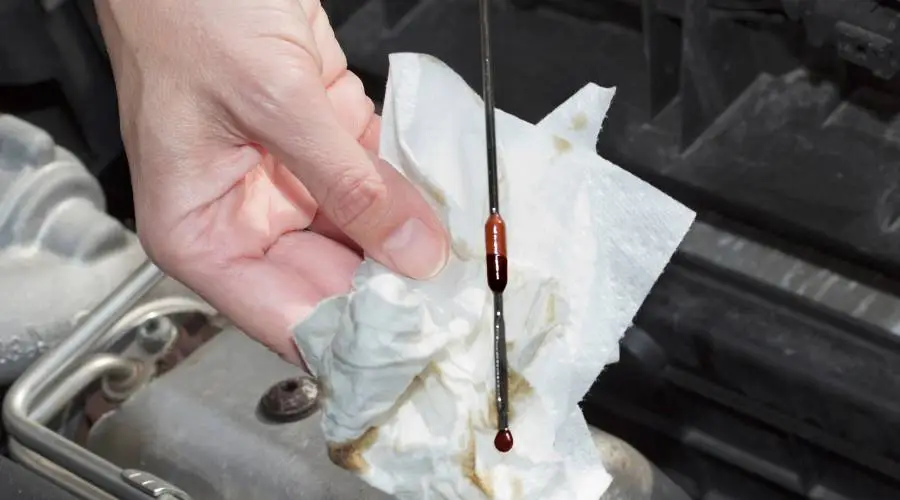
Oil Condition Assessment:
- Color changes – New oil is amber, old oil becomes black
- Consistency – Thick or sludgy oil needs immediate replacement
- Contamination – Metal particles indicate internal engine wear
- Professional analysis – Oil testing reveals engine condition
Modern Oil Life Monitors:
- Computer systems – Calculate service needs based on driving conditions
- Reset requirements – Must be reset after each oil change
- Accuracy considerations – Generally conservative but reliable guidance
- Override situations – May still need service based on calendar time
Recognize warning signs that indicate your engine needs immediate attention
Brake Fluid Service Requirements
Brake Fluid Replacement Timing
Standard Intervals:
- Every 2 years – Regardless of vehicle usage or mileage
- High-performance vehicles: Annual replacement due to heat cycling
- Commercial vehicles: May require more frequent service due to heavy use
- Queensland climate: Annual service recommended due to high humidity
Why Time-Based Service:
- Moisture absorption – Brake fluid absorbs water from air over time
- Boiling point reduction – Water contamination lowers fluid boiling point
- Corrosion prevention – Fresh fluid protects brake system components
- System performance – Clean fluid ensures proper brake operation
Brake Fluid Condition Indicators:
- Color changes – Fresh fluid is clear/light amber, old fluid is dark brown
- Consistency – Thick or contaminated fluid affects brake performance
- Moisture testing – Professional testing reveals water contamination levels
- Performance changes – Spongy pedal feel indicates fluid problems
Brake Fluid Types and Compatibility
DOT Classifications:
- DOT 3 – Standard fluid for most passenger vehicles
- DOT 4 – Higher boiling point for performance applications
- DOT 5.1 – Synthetic fluid for extreme conditions
- DOT 5 – Silicone-based fluid (not compatible with other types)
Mixing Considerations:
- DOT 3 and 4 – Compatible and can be mixed safely
- DOT 5 – Never mix with other types, complete system flush required
- Manufacturer specifications – Use only recommended fluid type
- Professional service – Ensures correct fluid type and complete replacement
Understand brake and suspension maintenance timing for optimal safety
Cooling System Service Intervals
Coolant Replacement Schedules
Traditional Coolant:
- Every 2-3 years – Standard ethylene glycol coolant
- 50,000-100,000km – Mileage-based replacement intervals
- System flushing – Complete coolant replacement including radiator flush
- Additive replenishment – Anti-corrosion additives deplete over time
Long-Life Coolant:
- Every 5 years – Extended service intervals for premium coolants
- 100,000-200,000km – Longer mileage intervals
- Initial fill advantage – Most new vehicles use long-life coolant
- Cost consideration – Higher initial cost offset by longer service intervals
Queensland Heat Considerations:
- Stress factors – High temperatures stress cooling systems more
- Evaporation – Regular coolant level checks essential
- System pressure – Heat cycling affects seals and hoses
- Performance monitoring – Temperature gauge awareness important
Cooling System Maintenance
Regular Inspections:
- Coolant level – Check reservoir when engine is cold
- Color and condition – Clean coolant is bright colored, contaminated is rusty/brown
- Leak detection – Puddles under vehicle indicate system problems
- Hose condition – Cracking or bulging indicates replacement needed
System Flushing Benefits:
- Corrosion removal – Eliminates rust and debris buildup
- Heat transfer – Clean systems transfer heat more effectively
- Component protection – Fresh coolant protects water pump and radiator
- Performance restoration – Proper mixture ensures freeze/boil protection
Get seasonal maintenance tips specific to Queensland’s challenging climate
Transmission and Differential Service
Automatic Transmission Service
Service Intervals:
- Every 60,000-100,000km – Varies significantly by manufacturer
- Severe conditions: Every 40,000-60,000km for heavy use
- Sealed transmissions – Some manufacturers claim “lifetime” fluid
- Professional assessment – Regular inspection recommended regardless of schedule
Service Types:
- Fluid and filter change – Partial service replacing accessible fluid
- Complete flush – Total fluid replacement using specialized equipment
- Filter replacement – Internal filter cleaning or replacement
- Pan gasket service – Replacing seals and gaskets during service
Transmission Fluid Monitoring:
- Level checks – When engine running and transmission warm
- Condition assessment – Clean fluid is red/pink, old fluid is brown/black
- Smell test – Burnt odor indicates overheating or component wear
- Leak detection – Red fluid under vehicle requires immediate attention
Manual Transmission and Differential
Service Requirements:
- Manual transmission: Every 50,000-80,000km or 4-5 years
- Differential service: Every 60,000-100,000km depending on use
- Severe conditions: Towing or off-road use requires more frequent service
- Gear oil types: Various viscosities and specifications required
Service Indicators:
- Difficult shifting – May indicate fluid breakdown or contamination
- Noise changes – Whining or grinding suggests lubrication problems
- Leak evidence – Gear oil leaks affect system performance
- Professional inspection – Complex systems require expert assessment
Compare independent mechanics versus dealers for transmission service expertise
Power Steering and Other Fluid Systems
Power Steering Fluid Service
Service Intervals:
- Every 2-3 years – Time-based replacement recommended
- 50,000-100,000km – Mileage-based service intervals
- Condition monitoring – Fluid color and consistency inspection
- System flushing – Complete fluid replacement with filter cleaning
Steering System Care:
- Fluid level checks – Low level indicates leaks or system problems
- Color assessment – Clean fluid is clear/light brown, contaminated is black
- Performance monitoring – Hard steering or noise indicates service needs
- Leak detection – Power steering leaks affect system operation
Windscreen Washer and Other Fluids
Windscreen Washer System:
- Regular top-ups – Especially important during dusty conditions
- Seasonal adjustments – Different concentrations for various conditions
- System cleaning – Periodic line flushing prevents blockages
- Queensland requirements – Dust and debris require more frequent use
Air Conditioning Service:
- Annual inspection – Especially important in Queensland heat
- Refrigerant levels – Professional assessment and recharge
- System cleaning – Antibacterial treatment for healthy air quality
- Component maintenance – Filters, condensers, and evaporators
Learn how fleet maintenance programs manage service intervals efficiently

Creating Your Personal Service Schedule
Vehicle-Specific Planning
Documentation Assembly:
- Owner’s manual – Primary source for manufacturer recommendations
- Service history – Previous maintenance records and patterns
- Driving pattern analysis – Personal usage affecting service needs
- Climate considerations – Queensland conditions influencing intervals
Customized Intervals:
- Oil changes – Based on driving conditions and oil type used
- Fluid services – Coordinated timing for efficiency and cost savings
- Seasonal preparation – Aligned with Queensland wet/dry seasons
- Mileage milestones – Major services at specific intervals
Service Coordination Strategies
Bundled Services:
- Major service timing – Combining multiple fluid changes
- Cost efficiency – Labor savings from coordinated service
- Downtime minimization – Single appointment for multiple needs
- Comprehensive inspection – Complete vehicle assessment
Reminder Systems:
- Calendar scheduling – Time-based service reminders
- Mileage tracking – Distance-based service alerts
- Professional reminders – Service provider follow-up systems
- Mobile apps – Digital tools for maintenance tracking
Budget Planning:
- Annual service costs – Budgeting for expected maintenance
- Emergency reserves – Funds for unexpected service needs
- Service provider relationships – Value pricing through loyalty
- Cost comparison – Evaluating service options and pricing
Find qualified local mechanics for reliable service interval maintenance
Professional Service Benefits
Expert Interval Management
Manufacturer Knowledge:
- Updated requirements – Latest service bulletins and recommendations
- Vehicle-specific expertise – Understanding unique service needs
- Quality assurance – Proper fluids and procedures for optimal results
- Documentation – Complete service records for warranty and resale
Queensland Expertise:
- Climate considerations – Local conditions affecting service timing
- Driving pattern understanding – Brisbane South traffic and usage patterns
- Component knowledge – Parts availability and replacement timing
- Cost optimization – Balancing service costs with reliability needs
Comprehensive Service Approach
System Integration:
- Coordinated timing – Multiple systems serviced efficiently
- Component compatibility – Ensuring all fluids and parts work together
- Performance optimization – Maximum reliability and efficiency
- Problem prevention – Identifying issues before they become expensive
Professional Standards:
- Quality fluids – Premium products for better protection and longer life
- Proper procedures – Correct service techniques and equipment
- Safety protocols – Proper handling of automotive fluids and chemicals
- Environmental responsibility – Proper disposal of used fluids and filters
Frequently Asked Questions About Service Intervals
Can I extend service intervals if I don’t drive much?
Time-based intervals are still important even for low-mileage vehicles. Oil and fluids deteriorate over time regardless of distance driven, especially in Queensland’s climate.
Should I follow the “severe” or “normal” maintenance schedule?
Most Queensland driving qualifies as “severe” conditions due to heat, humidity, stop-start traffic, and dust. When in doubt, follow the more frequent schedule.
Is it worth paying extra for synthetic oil and longer intervals?
Usually yes. While synthetic oil costs more initially, longer intervals often result in lower total costs plus better engine protection.
What happens if I miss a service interval by a few thousand kilometers?
Minor delays usually don’t cause problems, but significant delays can void warranties and increase wear. Get service as soon as possible when overdue.
Should all fluids be changed at the same time?
Not necessarily. Different fluids have different service lives, but coordinating changes can save labor costs and ensure nothing is forgotten.
Optimizing Your Vehicle’s Service Schedule
Understanding proper service intervals and fluid change timing protects your investment while ensuring reliable performance. Queensland’s challenging conditions require careful attention to maintenance scheduling, but following the right intervals prevents expensive problems and maintains your vehicle’s value.
Key Principles:
- Follow manufacturer specifications for warranty protection and optimal performance
- Consider Queensland conditions when determining service frequency
- Monitor fluid condition between scheduled services for early problem detection
- Coordinate services for cost efficiency and comprehensive care
- Document everything for warranty compliance and resale value
Professional Partnership: At Toros Roadworthy, we understand that proper service interval management is essential for vehicle reliability and cost control. Our experience with Queensland conditions and various vehicle makes helps ensure your maintenance schedule is optimized for local driving conditions.
Ready to optimize your vehicle’s maintenance schedule? Professional guidance helps you follow the right intervals while managing costs and ensuring reliable performance in Queensland’s challenging climate.
Contact us for personalized service interval planning and professional automotive maintenance