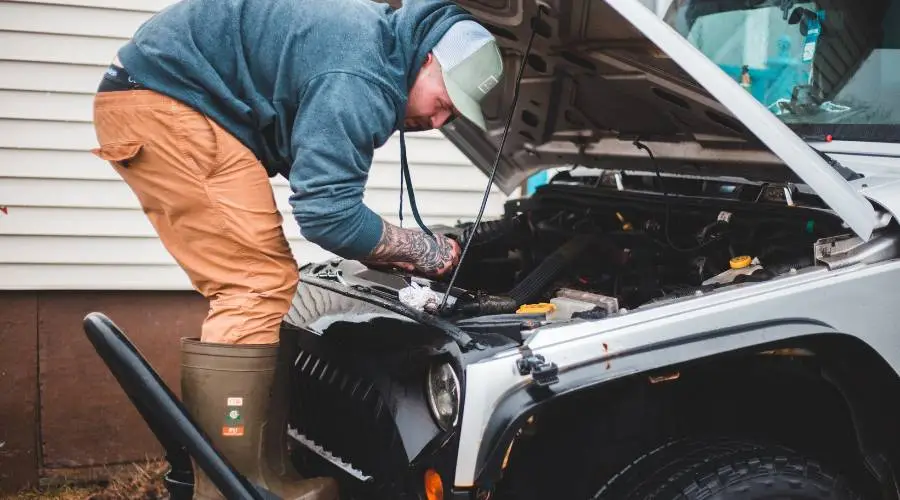
Your car is constantly communicating with you about its health and condition. Strange noises, unusual vibrations, dashboard warning lights, and changes in performance are all your vehicle’s way of asking for help. Recognizing these warning signs early can save you thousands of dollars in repair costs and prevent dangerous breakdowns.
Many Queensland drivers ignore early warning signs, hoping problems will resolve themselves or waiting until something completely fails. This approach often turns minor, affordable repairs into major, expensive emergencies that could have been easily prevented.
As experienced mechanics serving Logan and Brisbane South, we see the consequences of ignored warning signs daily. Here’s how to recognize when your car needs immediate professional attention and what these symptoms typically indicate about your vehicle’s condition.
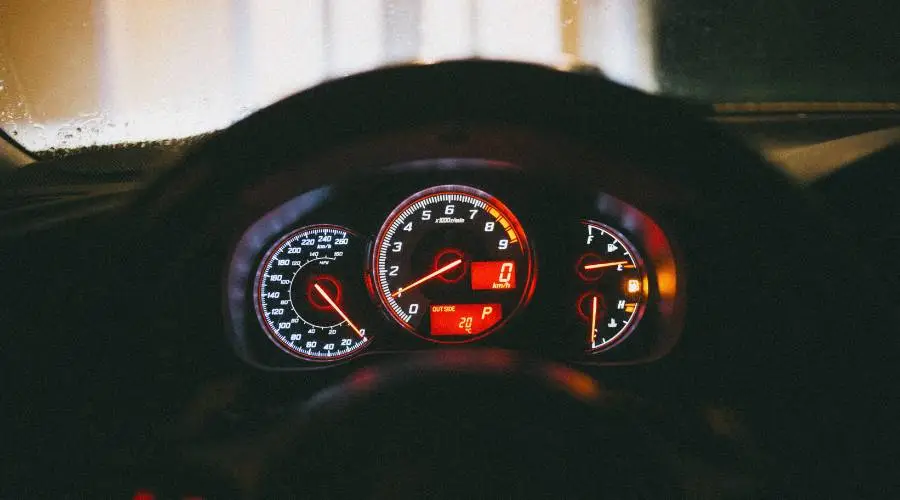
Engine Warning Signs That Demand Immediate Attention
Strange Engine Noises
Knocking or Pinging Sounds:
- What it sounds like: Metallic knocking during acceleration
- Likely causes: Engine knock, carbon buildup, incorrect fuel octane
- Urgency: High – Can cause severe engine damage
- Action required: Stop driving immediately, seek professional diagnosis
Grinding Noises:
- What it sounds like: Metal-on-metal grinding from engine bay
- Likely causes: Worn engine bearings, timing chain issues
- Urgency: Critical – Engine failure imminent
- Action required: Turn off engine, arrange towing to mechanic
Squealing Sounds:
- What it sounds like: High-pitched squealing when starting or accelerating
- Likely causes: Worn drive belts, pulley problems
- Urgency: Medium – Can lead to other system failures
- Action required: Professional inspection within days
Ticking or Clicking:
- What it sounds like: Rhythmic ticking that increases with RPM
- Likely causes: Low oil pressure, worn valve components
- Urgency: High – Oil circulation problems
- Action required: Check oil level immediately, professional diagnosis required
Performance Changes
Loss of Power:
- Symptoms: Sluggish acceleration, difficulty climbing hills
- Possible causes: Fuel system problems, air filter blockage, ignition issues
- Impact: Reduced safety in traffic situations
- Professional diagnosis: Required to identify specific cause
Rough Idling:
- Symptoms: Engine shakes or runs unevenly at idle
- Possible causes: Spark plug problems, fuel injector issues, vacuum leaks
- Impact: Poor fuel economy, potential stalling
- Timing: Address within a week to prevent worsening
Hard Starting:
- Symptoms: Engine cranks longer than usual or struggles to start
- Possible causes: Battery, starter, fuel system, or ignition problems
- Impact: Risk of complete failure to start
- Action: Professional diagnosis recommended immediately
Learn how regular logbook servicing prevents these mechanical issues
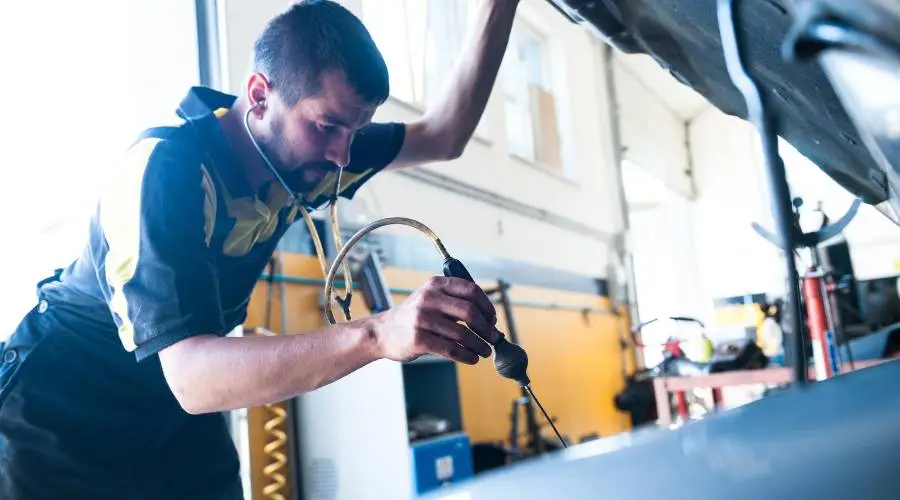
Brake System Warning Signs
Audible Brake Warnings
Squealing or Squeaking:
- When it occurs: Light brake application, especially when cold
- Likely cause: Brake pad wear indicators
- Urgency: Medium – Pads need replacement soon
- Cost implication: $200-400 for pad replacement vs $600+ if rotors are damaged
Grinding Noises:
- When it occurs: Any brake application, getting progressively worse
- Likely cause: Brake pads completely worn, metal-on-metal contact
- Urgency: Critical – Immediate attention required
- Safety concern: Drastically reduced braking ability
Clicking or Rattling:
- When it occurs: During brake application or when driving over bumps
- Likely cause: Loose brake components, worn hardware
- Urgency: High – Components may separate
- Professional assessment: Required for safety verification
Brake Feel Changes
Spongy Brake Pedal:
- Symptoms: Pedal feels soft, goes toward floor easily
- Likely causes: Air in brake lines, brake fluid leak, worn master cylinder
- Safety impact: Reduced braking effectiveness
- Action required: Stop driving, immediate professional attention
Hard Brake Pedal:
- Symptoms: Excessive force required to stop vehicle
- Likely causes: Brake booster failure, brake line restriction
- Safety impact: Significantly increased stopping distances
- Urgency: High – Major safety concern
Vibration During Braking:
- Symptoms: Steering wheel or pedal vibrates when braking
- Likely causes: Warped brake rotors, uneven pad wear
- Impact: Reduced braking efficiency, component damage
- Timeline: Address within days to prevent further damage
Vehicle Pulling:
- Symptoms: Car pulls to one side when braking
- Likely causes: Uneven brake pad wear, stuck caliper, brake fluid contamination
- Safety concern: Loss of directional control during braking
- Professional diagnosis: Essential for safe driving
Understand when brake and suspension components need professional replacement
Transmission and Drivetrain Warning Signs
Automatic Transmission Issues
Delayed Engagement:
- Symptoms: Delay when shifting from park to drive or reverse
- Possible causes: Low transmission fluid, worn clutch packs
- Progression: Usually worsens gradually over time
- Cost factor: Early attention prevents expensive rebuilds
Harsh Shifting:
- Symptoms: Abrupt or jarring gear changes
- Possible causes: Transmission fluid problems, electronic control issues
- Impact: Reduced comfort, potential component damage
- Professional service: Required for proper diagnosis
Slipping Gears:
- Symptoms: Engine RPM increases without corresponding speed increase
- Possible causes: Worn clutch bands, low fluid pressure
- Safety concern: Potential loss of power in traffic
- Urgency: High – Can lead to complete transmission failure
Fluid Leaks:
- Visual signs: Red fluid puddles under parked vehicle
- Smell: Sweet or burnt odor from transmission area
- Consequences: Fluid loss leads to overheating and damage
- Action: Check fluid level immediately, identify leak source
Manual Transmission Problems
Clutch Slipping:
- Symptoms: Engine revs increase without speed increase, especially under load
- Causes: Worn clutch disc, pressure plate problems
- Driving impact: Difficulty accelerating, especially on hills
- Timeline: Can worsen rapidly once slipping begins
Difficult Shifting:
- Symptoms: Hard to move gear lever, grinding during shifts
- Causes: Clutch adjustment, synchronizer wear, linkage problems
- Safety impact: May become stuck in gear
- Professional attention: Required to prevent transmission damage
Learn about optimal service intervals to prevent transmission problems
Cooling System Warning Signs
Overheating Symptoms
Temperature Gauge Rising:
- Normal vs concerning: Gauge moving above normal operating temperature
- Immediate action: Pull over safely, turn off engine
- Common causes: Coolant leaks, thermostat failure, radiator blockage
- Consequence of ignoring: Severe engine damage costing thousands
Steam from Engine Bay:
- Visual signs: White steam or vapor rising from hood area
- Smell: Sweet coolant odor or hot metal smell
- Action required: Stop driving immediately
- Safety note: Do not remove radiator cap when hot
Coolant Leaks:
- Under vehicle: Green, orange, or pink fluid puddles
- In engine bay: Visible fluid on components or ground
- System pressure: Leaks worsen under pressure when engine is hot
- Cost escalation: Small leaks become major problems quickly
Air Conditioning Issues
Insufficient Cooling:
- Symptoms: Air conditioning not cooling effectively
- Common causes: Refrigerant leaks, compressor problems, electrical issues
- Queensland relevance: Essential for comfortable driving in heat
- System complexity: Requires professional diagnostic equipment
Strange Odors:
- Musty smells: Likely mold in ventilation system
- Sweet smells: Possible coolant leak into cabin
- Burnt smells: Electrical or mechanical component problems
- Health concerns: Poor air quality affects driver alertness
Get seasonal maintenance tips for Queensland’s challenging climate conditions
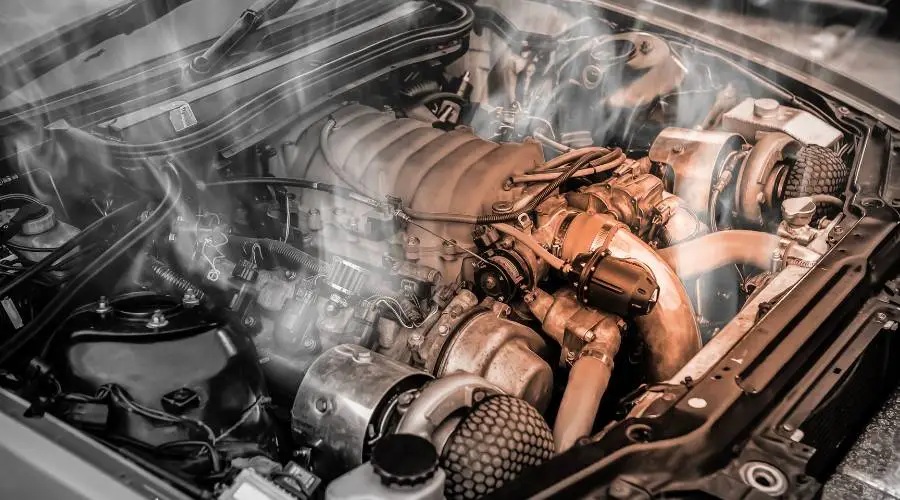
Electrical System Warning Signs
Dashboard Warning Lights
Check Engine Light:
- Solid light: Engine management system has detected a problem
- Flashing light: Serious problem requiring immediate attention
- Common causes: Emissions system, engine sensors, fuel system issues
- Action required: Professional diagnostic scan to identify specific fault
Battery Warning Light:
- Meaning: Charging system not working properly
- Likely causes: Alternator failure, battery problems, wiring issues
- Timeline: May have limited driving time before complete electrical failure
- Preparation: Arrange professional diagnosis promptly
Oil Pressure Warning:
- Critical nature: Immediate engine damage possible
- Action required: Stop driving immediately
- Common causes: Low oil level, oil pump failure, clogged oil filter
- Prevention: Regular oil changes prevent most oil pressure problems
ABS Warning Light:
- System affected: Anti-lock braking system disabled
- Safety impact: Normal brakes still work but without ABS assistance
- Professional service: Required for system diagnosis and repair
- Driving consideration: Adjust braking technique until repaired
Electrical Performance Issues
Dimming Lights:
- Symptoms: Headlights dim when idling, brighten when revving
- Likely cause: Alternator not producing sufficient power
- Progression: Usually worsens gradually
- End result: Complete electrical system failure
Starting Problems:
- Slow cranking: Battery or starter motor problems
- No cranking: Complete electrical failure or starter problems
- Intermittent starting: Connection problems or component wear
- Weather sensitivity: Problems often worse in cold or wet conditions
Suspension and Steering Warning Signs
Handling Changes
Vehicle Pulling:
- Symptoms: Car drifts to one side when driving straight
- Common causes: Wheel alignment, tyre pressure differences, suspension wear
- Safety impact: Requires constant steering correction
- Tyre wear: Causes uneven and premature tyre replacement needs
Excessive Bouncing:
- Test method: Push down on each corner of vehicle
- Normal response: One bounce then settles
- Problem indication: Multiple bounces or continuous oscillation
- Safety concern: Reduced tyre contact with road surface
Steering Wheel Vibration:
- When it occurs: Constant vibration or only when braking
- Possible causes: Wheel balance, brake rotor problems, suspension wear
- Comfort impact: Fatiguing for driver on long trips
- Component wear: Vibration accelerates wear of other components
Noise Indicators
Clunking Over Bumps:
- Location: Front or rear suspension area
- Likely causes: Worn shock absorbers, suspension bushes, ball joints
- Safety concern: Components may separate causing loss of control
- Professional inspection: Required to identify specific worn components
Squeaking When Turning:
- Source: Usually front suspension or steering components
- Common causes: Worn ball joints, suspension bushes, power steering issues
- Progression: Usually worsens gradually
- Lubrication: Sometimes resolved with proper servicing
Find qualified local mechanics for professional suspension and steering diagnosis
When to Seek Professional Help Immediately
Critical Warning Signs
Never Ignore These Symptoms:
- Engine knocking or grinding noises
- Complete brake failure or severely reduced braking
- Engine overheating or steam from engine bay
- Transmission completely failing to engage
- Steering wheel becomes difficult to turn
- Flashing check engine light
- Oil pressure warning light
Professional Diagnostic Benefits
Modern Diagnostic Equipment:
- Computer scanning – Identifies specific fault codes
- Live data monitoring – Real-time system performance analysis
- Component testing – Verification of individual part operation
- Comparative analysis – Comparing readings to manufacturer specifications
Experienced Assessment:
- Pattern recognition – Identifying related problems
- Cost prioritization – Addressing most critical issues first
- Prevention advice – Avoiding related failures
- Honest evaluation – Distinguishing essential from optional repairs
Learn how to choose between independent mechanics and dealer servicing
Cost Implications of Ignoring Warning Signs
Early Intervention vs Emergency Repairs
Brake System Example:
- Early warning (squeaking): $250 pad replacement
- Ignored until grinding: $650 pads plus rotor replacement
- Complete failure: $1,200+ including potential accident costs
Engine Problems:
- Early detection: $200-500 for minor repairs
- Moderate neglect: $1,000-2,000 for component replacement
- Complete failure: $5,000-15,000 for engine rebuild or replacement
Transmission Issues:
- Early service: $150-300 for fluid service
- Moderate problems: $800-1,500 for component repair
- Complete failure: $3,000-6,000 for rebuild or replacement
Planning and Budgeting
Smart Approach:
- Regular inspections identify problems early
- Maintenance schedules prevent many warning signs
- Professional relationships provide trusted advice
- Budget planning allows for proper repairs rather than emergency fixes
Prepare your vehicle properly to minimize repair needs and maximize service value.
Frequently Asked Questions About Car Warning Signs
Can I keep driving if the check engine light is on but the car seems fine?
While you may be able to drive short distances, the check engine light indicates a problem that needs professional diagnosis. Ignoring it could lead to more expensive repairs.
What should I do if I hear grinding from my brakes?
Stop driving as soon as safely possible and arrange immediate professional inspection. Grinding brakes have severely reduced stopping ability.
How do I know if a noise is serious or just normal wear?
Any new or changing noise should be professionally assessed. What seems minor can quickly become major if the underlying cause isn’t addressed.
Should I try to fix warning light problems myself?
Modern vehicles require professional diagnostic equipment to properly identify problems. DIY attempts often mask symptoms without fixing root causes.
How can I tell if my mechanic is being honest about needed repairs?
Ask for explanations, request to see problem areas, and don’t hesitate to seek a second opinion for expensive repairs. Understand fleet maintenance approaches that prevent these issues for business vehicles
Taking Action on Warning Signs
Recognizing warning signs is only valuable if you act on them promptly. Your vehicle’s warning signs are designed to protect you from dangerous failures and expensive repairs. Responding quickly to these signals demonstrates smart vehicle ownership and helps ensure your safety and financial wellbeing.
Key Principles:
- Listen to your vehicle – New or changing symptoms deserve attention
- Act promptly – Early intervention prevents expensive failures
- Seek professional help – Modern vehicles require expert diagnosis
- Maintain relationships – Trusted mechanics provide better long-term value
- Budget appropriately – Regular maintenance costs less than emergency repairs
Professional Support: At Toros Roadworthy, we understand that recognizing warning signs is just the first step. Our experienced mechanics provide honest assessments, clear explanations, and practical solutions to keep you safely on the road while protecting your budget.
Don’t wait for complete failure. If your vehicle is showing any of these warning signs, professional diagnosis can identify problems early when they’re still affordable to repair.
Contact us for professional diagnosis of automotive warning signs and reliable repairs