Your brake and suspension systems are the most critical safety components in your vehicle. They control your ability to stop safely and maintain vehicle stability, especially during emergency situations. Understanding when these systems need maintenance or replacement can literally be the difference between life and death on Queensland roads.
Many drivers treat brake and suspension maintenance as optional or delay service to save money. This approach is dangerous and often costs more in the long run, as worn components cause additional damage and increase accident risks.
As experienced mechanics serving Logan and Brisbane South, we see the consequences of neglected brake and suspension systems daily. Here’s your complete guide to maintaining these critical safety systems, recognizing when replacement is needed, and protecting yourself and your family on the road.
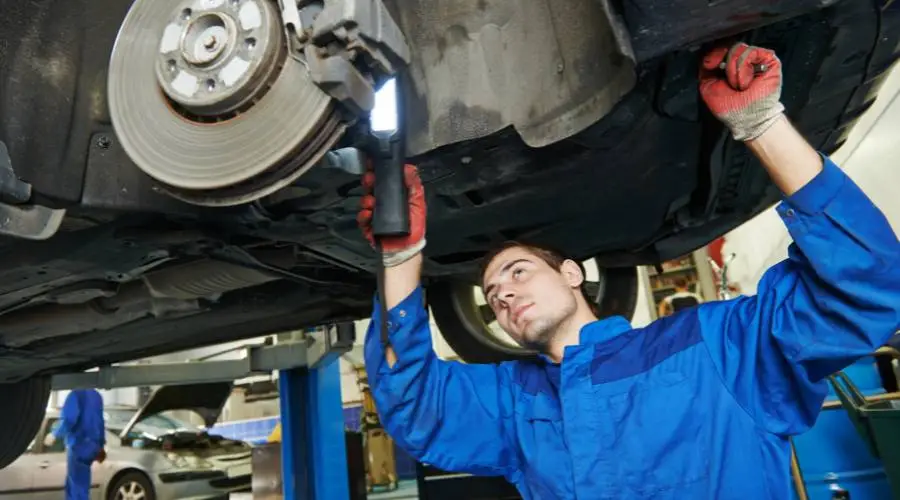
Understanding Your Brake System
How Modern Brake Systems Work
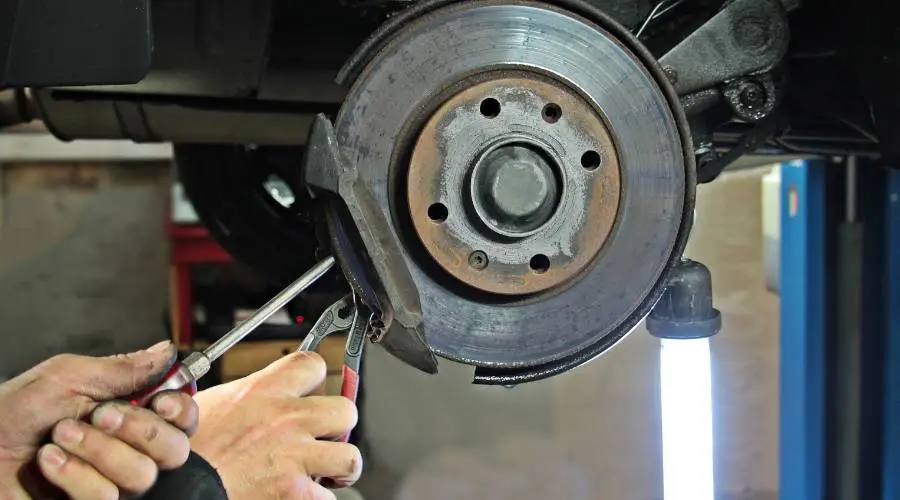
Disc Brake Components:
- Brake pads – Friction material that contacts the rotor
- Brake rotors (discs) – Metal discs that rotate with the wheels
- Brake calipers – Squeeze pads against rotors to create stopping force
- Brake fluid – Hydraulic fluid that transfers pedal force to wheels
- Brake lines and hoses – Carry pressurized fluid throughout system
Drum Brake Components (rear wheels on some vehicles):
- Brake shoes – Curved friction material inside drums
- Brake drums – Cylindrical components attached to wheels
- Wheel cylinders – Push brake shoes against drums
- Springs and hardware – Return shoes to rest position
Master Cylinder and Booster:
- Master cylinder – Converts pedal pressure to hydraulic pressure
- Brake booster – Multiplies pedal force for easier braking
- Brake fluid reservoir – Stores hydraulic fluid for system
Critical Safety Functions
Primary Braking:
- Stopping power – Converting vehicle kinetic energy to heat
- Modulation – Allowing precise control of braking force
- Heat dissipation – Managing extreme temperatures during braking
- Consistency – Maintaining performance under various conditions
Secondary Safety Systems:
- Anti-lock braking (ABS) – Prevents wheel lockup during emergency stops
- Electronic stability – Helps maintain vehicle control
- Brake assist – Provides maximum braking force in emergencies
- Hill start assist – Prevents rollback on inclines
Learn to recognize early warning signs that indicate brake system problems
When to Replace Brake Components
Brake Pad Replacement Timing
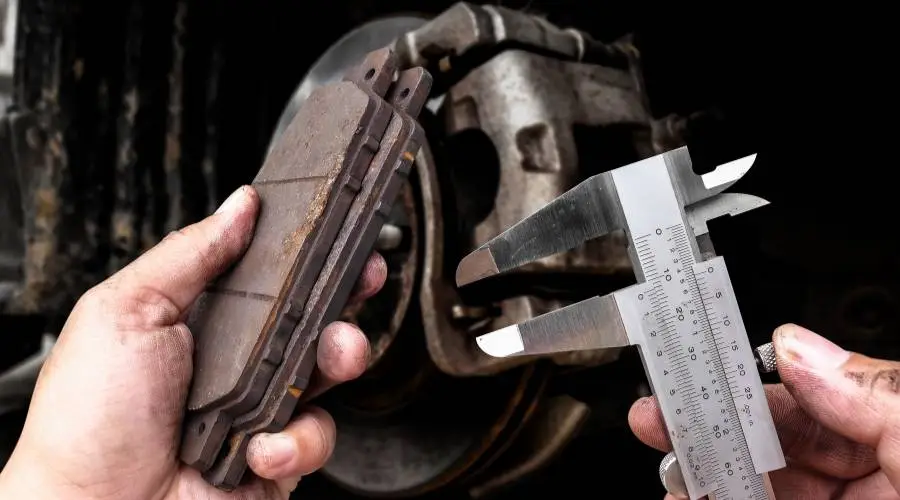
Thickness Measurements:
- New pads: 10-12mm thick
- Service recommended: 3-4mm remaining
- Minimum safe: 2mm remaining
- Replace immediately: Less than 2mm
Visual Inspection Indicators:
- Wear indicator tabs – Metal tabs that squeal when pads are thin
- Uneven wear patterns – May indicate caliper or rotor problems
- Contamination – Oil or brake fluid on pads requires replacement
- Cracking or glazing – Heat damage affecting braking performance
Driving Distance Guidelines:
- City driving: 20,000-40,000km typical lifespan
- Highway driving: 40,000-70,000km with less stop-start wear
- Aggressive driving: 15,000-25,000km with hard braking
- Towing or heavy loads: Reduced lifespan due to increased demands
Performance Changes:
- Squealing noises – Wear indicators contacting rotors
- Grinding sounds – Metal-on-metal contact, immediate replacement needed
- Longer stopping distances – Reduced friction material effectiveness
- Brake pedal travel – Pedal goes closer to floor before engaging
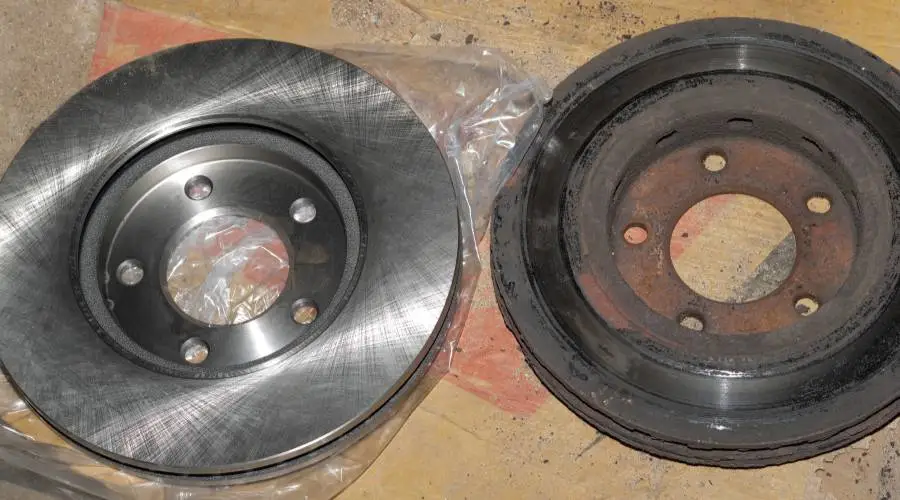
Brake Rotor Service and Replacement
Rotor Condition Assessment:
- Thickness measurement – Must meet manufacturer minimum specifications
- Surface condition – Smooth surface required for proper pad contact
- Warping detection – Thickness variation causes pedal pulsation
- Scoring evaluation – Deep grooves may require rotor replacement
Machining vs Replacement:
- Light scoring: Rotors can often be machined smooth
- Deep grooves: May require replacement if below minimum thickness
- Warping: Machining can correct minor warping issues
- Age and wear: Older rotors may be better replaced than machined
Rotor Replacement Indicators:
- Below minimum thickness – Safety and performance compromise
- Excessive warping – Cannot be corrected by machining
- Deep scoring or cracks – Structural integrity compromised
- Heat damage – Blue discoloration indicates overheating
Cost Considerations:
- Machining cost: $50-80 per rotor
- New rotor cost: $80-200 per rotor depending on vehicle
- Labor efficiency: Often more cost-effective to replace than machine
- Performance benefit: New rotors provide optimal braking performance
Brake Fluid Service Requirements
Fluid Replacement Schedule:
- Standard interval: Every 2 years or 40,000km
- Severe conditions: Annual replacement in high-humidity areas
- Performance vehicles: More frequent changes due to heat cycling
- Age consideration: Brake fluid absorbs moisture over time
Fluid Condition Indicators:
- Color changes: New fluid is clear/light amber, old fluid is dark brown
- Water contamination: Reduces boiling point and braking effectiveness
- Contamination: Metal particles or debris indicate internal wear
- Consistency: Thick or sludgy fluid needs immediate replacement
Why Fluid Service Matters:
- Boiling point maintenance – Prevents brake fade under heavy use
- Corrosion prevention – Clean fluid protects internal components
- Seal preservation – Proper fluid maintains rubber seals and gaskets
- System lubrication – Helps moving parts operate smoothly
Understand optimal service intervals that prevent brake system problems
Suspension System Maintenance
Understanding Suspension Components
Front Suspension (Most Vehicles):
- Struts or shock absorbers – Control wheel movement and provide damping
- Springs – Support vehicle weight and absorb road impacts
- Control arms – Connect wheels to chassis while allowing movement
- Ball joints – Pivot points for steering and suspension movement
- Sway bars – Reduce body roll during cornering
Rear Suspension Variations:
- Independent rear: Similar components to front suspension
- Solid axle: Leaf springs or coil springs with shock absorbers
- Multi-link systems: Complex arrangements for optimal handling
- Air suspension: Adjustable air bags replace traditional springs
Power Steering Components:
- Steering rack – Converts rotary steering input to wheel movement
- Power steering pump – Provides hydraulic assistance
- Steering fluid – Transmits hydraulic pressure
- Hoses and lines – Connect pump to steering rack
Shock Absorber and Strut Replacement
Function and Importance:
- Ride quality – Smooth out road surface irregularities
- Vehicle control – Maintain tire contact with road surface
- Braking performance – Prevent wheel bounce during stops
- Tire wear – Even contact prevents irregular wear patterns
Replacement Timing Indicators:
- Mileage guidelines: 80,000-120,000km typical lifespan
- Bounce test: Vehicle should settle after one bounce when pushed down
- Visual inspection: Oil leaks indicate internal seal failure
- Driving symptoms: Excessive bouncing, poor handling, nose diving when braking
Performance Degradation:
- Gradual decline – Changes happen slowly and may not be immediately noticeable
- Comparative testing – New shocks dramatically improve ride and handling
- Safety impact – Worn shocks increase stopping distances and reduce control
- Component protection – Good shocks protect other suspension parts
Replacement Considerations:
- Pairs vs individual: Replace in pairs for balanced performance
- Quality differences: Premium shocks provide better durability and performance
- Vehicle modifications: Lowered or raised vehicles need appropriate components
- Driving style: Performance driving may justify premium shock absorbers
Spring and Suspension Hardware
Coil Spring Issues:
- Sagging: Vehicle sits lower on worn springs
- Breakage: Cracked or broken springs affect handling and alignment
- Fatigue: Springs lose tension over time and mileage
- Corrosion: Queensland climate can cause spring deterioration
Suspension Bushings:
- Rubber deterioration: Cracking and hardening reduce vibration isolation
- Worn bushings: Cause clunking noises and poor handling
- Replacement timing: Often coincides with other suspension work
- Performance upgrade: Polyurethane bushings offer better durability
Ball Joint Maintenance:
- Wear patterns: Excessive play indicates replacement needed
- Lubrication: Some ball joints require periodic greasing
- Failure consequences: Separated ball joints cause complete loss of control
- Professional inspection: Special tools required for accurate assessment
Learn how logbook servicing includes suspension safety inspections
Safety-Critical Replacement Timing
Emergency Replacement Situations
Immediate Replacement Required:
- Brake grinding noises – Metal-on-metal contact
- Spongy brake pedal – Brake fluid leaks or air in system
- Vehicle pulling hard to one side – Brake or suspension failure
- Clunking sounds over bumps – Suspension component separation
- Steering wheel vibration during braking – Serious rotor warping
Professional Assessment Needed:
- Gradual braking changes – May indicate multiple component wear
- Handling deterioration – Could be alignment, suspension, or tire issues
- Unusual tire wear patterns – Often indicates suspension problems
- Dashboard warning lights – ABS or brake system faults
Preventive Replacement Schedules
Based on Vehicle Age:
- 3-5 years: Brake pads, brake fluid service
- 5-7 years: Shock absorbers, suspension bushings
- 7-10 years: Major suspension components, brake rotors
- 10+ years: Comprehensive system evaluation and replacement
Based on Mileage:
- 40,000km: First brake pad replacement typically due
- 80,000km: Shock absorbers and major service interval
- 120,000km: Comprehensive suspension and brake system renewal
- 160,000km+: Regular monitoring and replacement as needed
Based on Driving Conditions:
- City driving: More frequent brake service due to stop-start traffic
- Highway driving: Longer intervals but monitor for different wear patterns
- Mountain driving: Brake systems work harder on hills and descents
- Towing: Significantly increased wear on brakes and suspension
Get seasonal maintenance advice that includes brake and suspension care
Queensland Driving Conditions Impact
Climate Effects on Components
Heat and Humidity:
- Brake fluid absorption – Moisture reduces fluid boiling point
- Rubber component deterioration – Seals and bushings age faster
- Corrosion acceleration – Salt air near coast affects metal components
- Performance changes – Heat affects brake and suspension performance
Road Conditions:
- Pothole damage – Common cause of suspension and alignment problems
- Construction zones – Debris and uneven surfaces increase wear
- Flooding effects – Water damage to brake components
- Salt water exposure – Coastal areas require more frequent inspection
Driving Patterns:
- Stop-start traffic – Hard on brake components
- Highway speeds – Different wear patterns on suspension
- School zones – Frequent braking cycles
- Shopping centers – Low-speed maneuvering affects different components
Maintenance Scheduling for Local Conditions
Wet Season Preparation (November-April):
- Brake system inspection – Ensure optimal performance for wet roads
- Fluid checks – Replace contaminated brake fluid
- Suspension assessment – Prepare for pothole season
- Tire and alignment – Wet weather handling requires proper setup
Dry Season Maintenance (May-October):
- Dust protection – Clean and inspect components
- Heat management – Check for heat-related damage
- Component lubrication – Prevent dust-related wear
- System testing – Ideal conditions for comprehensive assessment
Cost Management Strategies
Preventive vs Reactive Maintenance
Preventive Approach Benefits:
- Scheduled replacement – Components changed before failure
- Cost predictability – Budget for expected maintenance
- Safety assurance – Systems maintained in optimal condition
- Component protection – Prevents secondary damage
Cost Examples:
- Brake pad replacement: $250-400 vs $600+ with rotor damage
- Shock replacement: $400-600 vs $1,200+ with additional suspension damage
- Brake fluid service: $120-180 vs $800+ brake system rebuild
- Ball joint replacement: $200-300 vs $1,000+ suspension system repair
Service Bundling Advantages
Brake System Package:
- Pads, rotors, and fluid – Combined service saves labor costs
- Inspection included – Comprehensive system assessment
- Performance testing – Road test confirms proper operation
- Warranty coverage – Package deals often include better warranties
Suspension Service Combinations:
- Shocks and alignment – Necessary combination for optimal performance
- Multiple component replacement – Labor efficiency savings
- Wheel balancing – Often needed with suspension work
- Tire replacement – Timing coordination saves money
Compare service options to find the best value for brake and suspension work
Fleet and Commercial Vehicle Considerations
Commercial Vehicle Requirements
Higher Service Frequency:
- Daily inspections – Commercial operators must check brake systems
- Shorter replacement intervals – Heavy use accelerates wear
- Documentation requirements – Detailed maintenance records required
- Compliance standards – Meeting commercial vehicle safety regulations
Cost Management:
- Bulk purchasing – Fleet discounts on components
- Scheduled maintenance – Prevents downtime during busy periods
- Performance monitoring – Track component life across fleet
- Professional relationships – Established service providers offer priority
Learn about comprehensive fleet maintenance programs for business vehicles
Professional Service Benefits
Advanced Diagnostic Capabilities
Modern Equipment:
- Brake testing machines – Measure braking force and balance
- Suspension analyzers – Identify worn components accurately
- Alignment equipment – Precise wheel positioning
- Road testing – Professional evaluation of system performance
Expertise Advantages:
- Component recognition – Identifying wear patterns and failure modes
- System interaction – Understanding how components affect each other
- Quality parts – Access to professional-grade replacement components
- Warranty coverage – Professional installation warranties
Safety Certification
Roadworthy Compliance:
- Brake performance – Meeting minimum stopping requirements
- Suspension safety – Ensuring components are secure and functional
- Wheel alignment – Proper tracking and tire contact
- Professional documentation – Certified safety assessment
Ongoing Relationship:
- Service history – Tracking component replacement and performance
- Preventive recommendations – Advice on upcoming maintenance needs
- Emergency support – Priority service for brake and suspension problems
- Cost planning – Budgeting assistance for major component replacement
Find qualified local mechanics specializing in brake and suspension service
Frequently Asked Questions About Brake and Suspension Maintenance
How can I tell if my brakes need immediate attention?
Any grinding noises, spongy brake pedal, or significant pulling to one side requires immediate professional inspection. Don’t wait – brake failure is a serious safety risk.
Can I replace just one shock absorber or should I replace both?
Always replace shocks in pairs (both front or both rear) to maintain balanced handling and prevent uneven tire wear.
How often should brake fluid be changed?
Generally every 2 years or 40,000km, but Queensland’s humidity may require annual changes. Check your vehicle’s service manual for specific requirements.
What causes brake rotors to warp?
Excessive heat from heavy braking, improper installation torque, or cooling rotors with water. Proper driving technique and professional service prevent most warping issues.
Is it normal for new brakes to make noise?
Some noise during the break-in period is normal, but persistent squealing or grinding indicates problems that need professional attention. Prepare your vehicle properly to get maximum value from brake and suspension service.
Maintaining Your Safety Investment
Your brake and suspension systems represent critical safety investments that require regular attention and professional maintenance. Understanding when components need replacement and staying proactive about service protects you, your passengers, and other road users while preventing expensive emergency repairs.
Key Safety Principles:
- Regular inspection – Professional assessment of component condition
- Prompt replacement – Don’t delay when safety components show wear
- Quality components – Invest in proper parts for critical systems
- Professional service – Complex systems require expert installation
- Preventive approach – Scheduled maintenance costs less than emergency repairs
Professional Partnership: At Toros Roadworthy, we understand that brake and suspension systems are too important to compromise. Our experienced mechanics provide honest assessments, quality components, and professional installation to keep you safely on Queensland roads.
Don’t wait for system failure. If you’re noticing any changes in braking performance or vehicle handling, professional inspection can identify problems while they’re still affordable to address.
Contact us for professional brake and suspension inspection and service