Wondering exactly what a professional pre-purchase vehicle inspection includes? Understanding the comprehensive scope of a quality inspection helps you appreciate why this service is essential for smart used car buying and how it protects your investment far beyond what a simple test drive can reveal.
A thorough pre-purchase inspection examines over 150 individual components and systems, providing a complete picture of vehicle condition that enables informed buying decisions. This detailed assessment goes far beyond basic roadworthy requirements to evaluate reliability, safety, and future maintenance needs.
At Toros Roadworthy, our comprehensive mobile pre-purchase inspections have helped hundreds of Logan and Brisbane South buyers make confident decisions, saving them thousands in unexpected repairs while ensuring they understand exactly what they’re purchasing.

Comprehensive Engine and Drivetrain Assessment
Engine Performance Evaluation
Visual Inspection:
- Oil condition assessment – Color, consistency, and contamination levels
- Leak detection – Internal and external oil, coolant, and fuel leaks
- Belt and hose condition – Cracking, fraying, or deterioration signs
- Component mounting – Engine security and vibration damper condition
- Air intake system – Filter condition and intake tract integrity
Operational Testing:
- Idle quality – Smooth operation and consistent RPM maintenance
- Acceleration response – Power delivery and throttle responsiveness
- Temperature management – Normal operating temperature and cooling efficiency
- Oil pressure – Adequate pressure throughout RPM range
- Emissions assessment – Exhaust color, smell, and visible emissions
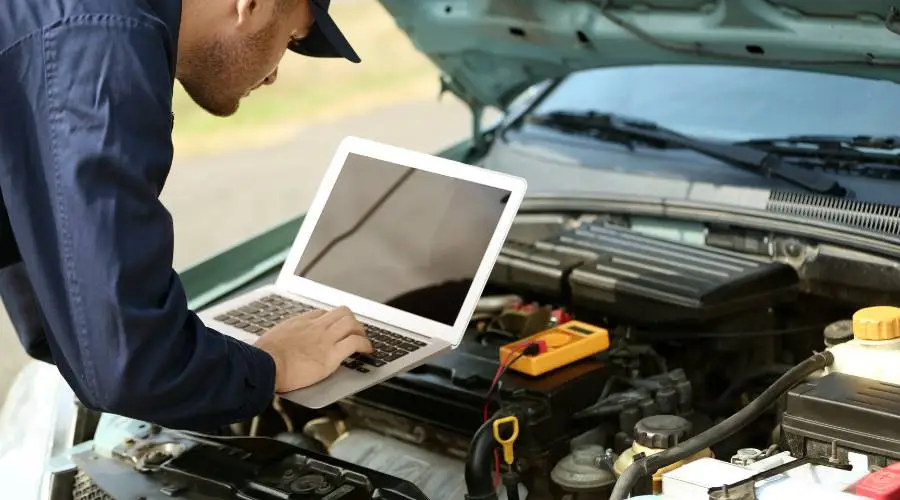
Diagnostic Analysis:
- Computer fault codes – Stored error codes indicating system problems
- Live data monitoring – Real-time sensor readings and system performance
- Performance parameters – Comparison to manufacturer specifications
- Warning light functionality – Proper operation of engine management indicators
Common Engine Problems We Identify:
- Oil leaks ranging from minor seepage to major component failures
- Overheating evidence indicating cooling system problems or previous damage
- Timing chain/belt wear suggesting upcoming expensive maintenance
- Sensor failures affecting performance, emissions, and reliability
- Internal wear patterns revealed through oil analysis and compression testing
Transmission and Drivetrain Analysis
Automatic Transmission Assessment:
- Shift quality evaluation – Smooth, firm shifts without hesitation or harshness
- Fluid condition analysis – Color, smell, and contamination assessment
- Leak inspection – External seepage indicating internal component wear
- Electronic system testing – Sensor operation and control module function
- Performance under load – Operation during acceleration and hill climbing
Manual Transmission Evaluation:
- Clutch operation – Engagement point, pedal feel, and slippage assessment
- Gear selection – Smooth shifting without grinding or resistance
- Synchronizer function – Proper gear meshing and shift quality
- Hydraulic system – Clutch master and slave cylinder operation
- Linkage assessment – Mechanical connections and adjustment
Differential and Driveline:
- Noise evaluation – Unusual sounds indicating component wear
- Vibration assessment – Drive shaft, CV joints, and bearing condition
- Fluid analysis – Gear oil condition and contamination levels
- Mounting inspection – Component security and bushing condition
- Universal joint testing – Play and wear assessment
Learn why relying only on roadworthy certificates isn’t sufficient for used car purchases
Brake System Comprehensive Evaluation
Brake Performance Assessment
Brake Component Inspection:
- Brake pad thickness – Remaining material and even wear patterns
- Brake disc condition – Surface smoothness, thickness, and warping assessment
- Brake drum evaluation – Internal surface condition and wear measurements
- Brake line integrity – Corrosion, cracking, and connection security
- Master cylinder assessment – Fluid level, condition, and leak detection
Hydraulic System Analysis:
- Brake fluid condition – Contamination, moisture content, and color assessment
- System pressure testing – Adequate pressure throughout brake system
- Pedal feel evaluation – Firmness, travel distance, and response quality
- Power booster function – Vacuum or hydraulic assistance operation
- ABS system testing – Anti-lock brake functionality and sensor operation
Performance Testing:
- Stopping effectiveness – Braking power and distance assessment
- Brake balance – Equal braking force from left and right sides
- Fade resistance – Performance under repeated braking
- Handbrake operation – Holding power and adjustment assessment
- Warning system function – Brake warning lights and indicators
Critical Safety Issues We Identify:
- Worn brake pads requiring immediate replacement
- Warped brake rotors causing vibration and reduced effectiveness
- Brake fluid leaks compromising system safety and performance
- Contaminated brake fluid reducing boiling point and effectiveness
- ABS system faults affecting emergency braking capabilities
Suspension and Steering Systems
Suspension Component Evaluation:
- Shock absorber testing – Damping effectiveness and leak assessment
- Spring condition – Sagging, breakage, or fatigue evaluation
- Bushing inspection – Rubber component wear and deterioration
- Ball joint assessment – Play, wear, and lubrication condition
- Sway bar evaluation – Links, bushings, and mounting integrity
Steering System Analysis:
- Steering wheel play – Excessive movement indicating component wear
- Power steering operation – Fluid condition, pump function, and leak detection
- Alignment assessment – Tire wear patterns and vehicle tracking
- Steering response – Direct connection between input and wheel movement
- Component security – Tie rod, steering rack, and mounting condition
Handling and Safety Evaluation:
- Vehicle stability – Straight-line tracking and cornering behavior
- Vibration analysis – Identifying sources of steering or body vibration
- Noise assessment – Unusual sounds indicating component problems
- Ride quality – Comfort and control over various road surfaces
- Emergency handling – Response to sudden steering inputs
Get our complete step-by-step guide to buying used cars safely in Queensland
Electrical and Electronic Systems Assessment
Electrical System Comprehensive Testing
Battery and Charging System:
- Battery load testing – Capacity under simulated starting load
- Terminal condition – Corrosion, security, and connection quality
- Alternator performance – Charging voltage and amperage output
- Belt condition – Alternator drive belt tension and wear
- Wiring inspection – Visible damage, corrosion, or modification evidence
Lighting System Evaluation:
- Headlight functionality – High beam, low beam, and alignment assessment
- Signal operation – Turn indicators, hazard lights, and dashboard indication
- Brake light testing – All bulbs including high-mounted stop light
- Exterior lighting – Tail lights, reverse lights, and license plate illumination
- Interior lighting – Dome lights, dashboard, and instrument panel illumination
Electronic System Analysis:
- Engine management – Computer system operation and fault code analysis
- Climate control – Air conditioning, heating, and ventilation function
- Entertainment systems – Radio, CD, navigation, and connectivity features
- Safety systems – Airbag, ABS, and stability control functionality
- Comfort features – Power windows, mirrors, seats, and convenience items
Advanced System Assessment:
- Diagnostic computer scanning – Comprehensive fault code retrieval
- Sensor functionality – Engine, transmission, and safety system sensors
- Control module operation – Electronic control unit communication
- Network integrity – Vehicle communication bus system health
- Software status – Update requirements and known issues
Air Conditioning and Climate Control
System Performance Testing:
- Cooling effectiveness – Temperature output and cooling speed
- Refrigerant levels – Adequate charge and system pressure
- Compressor operation – Mechanical function and electrical engagement
- Condenser condition – Heat exchange efficiency and leak detection
- Evaporator assessment – Interior cooling coil condition
Component Evaluation:
- Belt and pulley system – A/C compressor drive components
- Electrical connections – Wiring, switches, and control modules
- Ductwork integrity – Air distribution system and cabin filter
- Control operation – Temperature, fan speed, and mode selection
- Leak detection – Refrigerant loss and system integrity
Learn to identify red flags and warning signs when evaluating used vehicles
Body, Interior, and Structural Assessment
Structural Integrity Evaluation
Accident Damage Assessment:
- Panel alignment – Gaps, fit, and finish consistency
- Paint condition – Color matching, texture, and coverage uniformity
- Structural deformation – Frame or unibody damage indicators
- Weld inspection – Factory vs repair welds and quality assessment
- Impact evidence – Hidden damage from previous collisions
Corrosion and Rust Evaluation:
- Surface rust – Cosmetic oxidation and treatment requirements
- Structural corrosion – Safety-critical area deterioration
- Penetrating rust – Through-metal corrosion requiring repair
- Treatment effectiveness – Previous rust repair quality and durability
- Future susceptibility – Areas prone to corrosion development
Body Component Assessment:
- Door operation – Smooth opening, closing, and latch function
- Window functionality – Power and manual window operation
- Weatherstripping – Seal condition and water intrusion prevention
- Trim condition – Interior and exterior trim attachment and wear
- Hardware integrity – Handles, locks, and mechanism operation
Interior Condition and Functionality
Upholstery and Trim Assessment:
- Wear patterns – Normal vs excessive use indicators
- Damage evaluation – Tears, burns, stains, and deterioration
- Color consistency – Fading, discoloration, or replacement evidence
- Cleaning condition – Maintenance quality and odor assessment
- Modification evidence – Aftermarket additions or alterations
Functional Component Testing:
- Seat operation – Manual and power adjustment functionality
- Dashboard instruments – Gauge operation and warning light function
- Control switches – Climate, lighting, and accessory controls
- Entertainment systems – Radio, navigation, and connectivity features
- Storage compartments – Glove box, console, and door pocket condition
Safety Equipment Evaluation:
- Seatbelt condition – Webbing wear, retractor function, and buckle operation
- Airbag status – Warning light operation and deployment history
- Mirror condition – Interior and exterior mirror adjustment and clarity
- Safety glass – Windshield and window condition and tinting compliance
Understand why choosing Toros provides the most comprehensive pre-purchase protection
Tire and Wheel Comprehensive Analysis
Tire Condition Assessment
Tread Depth Evaluation:
- Uniform wear measurement – Tread depth across tire width
- Wear pattern analysis – Even vs uneven wear indicating alignment issues
- Remaining life estimation – Service life based on current condition
- Legal compliance – Meeting minimum tread depth requirements
- Seasonal suitability – Tread design appropriate for intended use
Sidewall and Structure Inspection:
- Sidewall damage – Cuts, bulges, or impact damage assessment
- Age determination – Manufacturing date and age-related deterioration
- Pressure monitoring – Proper inflation and pressure maintenance
- Valve condition – Stem integrity and cap security
- Internal damage – Signs of impact or structural failure
Wheel Assessment:
- Rim condition – Cracks, bends, or impact damage
- Mounting security – Proper torque and stud condition
- Balance evaluation – Vibration indicators and weight attachment
- Corrosion assessment – Rim deterioration and refinishing needs
- Size verification – Correct specifications for vehicle
Vehicle Alignment and Handling
Alignment Indicators:
- Tire wear patterns – Evidence of toe, camber, or caster problems
- Vehicle tracking – Straight-line driving characteristics
- Steering wheel position – Center position during straight driving
- Pull tendencies – Left or right drift requiring steering correction
- Handling characteristics – Cornering stability and response
Suspension Geometry:
- Ride height – Proper vehicle stance and spring condition
- Wheel alignment – Toe, camber, and caster settings
- Steering geometry – Proper angles and adjustment ranges
- Component wear – Ball joints, tie rods, and bushing condition
- Modification assessment – Aftermarket suspension changes
Documentation and Reporting Process
Comprehensive Written Report
Detailed Findings Documentation:
- Component condition ratings – Excellent, good, fair, or poor classifications
- Photographic evidence – Visual documentation of identified issues
- Repair recommendations – Priority levels and estimated costs
- Safety concerns – Immediate attention requirements
- Maintenance scheduling – Upcoming service needs and timing
Professional Assessment Summary:
- Overall vehicle condition – Comprehensive evaluation summary
- Purchase recommendation – Professional advice on buying decision
- Negotiation points – Issues affecting vehicle value
- Cost projections – Expected repair and maintenance expenses
- Comparative analysis – Value assessment relative to asking price
Follow-Up Support:
- Question clarification – Detailed explanation of findings
- Repair guidance – Recommendations for addressing identified issues
- Maintenance planning – Long-term care strategy
- Professional referrals – Trusted repair facilities for needed work
- Ongoing consultation – Continued advice throughout ownership
Mobile Service Advantages
On-Site Convenience:
- Seller location – Inspection at seller’s preferred location
- Flexible scheduling – Available when convenient for all parties
- Immediate results – Report provided on-site for quick decisions
- No transport required – Vehicle doesn’t need to be moved
- Weather protection – Professional equipment for all conditions
Professional Presentation:
- Uniformed technicians – Professional appearance and identification
- Complete equipment – All necessary tools and diagnostic equipment
- Clean documentation – Professional reports and recommendations
- Respectful service – Courteous interaction with sellers and buyers
- Efficient process – Comprehensive assessment without delays
Access our complete pre-purchase inspection and used car buying services
Queensland-Specific Assessment Considerations
Climate-Related Issues
Heat and UV Damage:
- Interior deterioration – Dashboard, seats, and trim degradation
- Rubber component aging – Seals, belts, and hoses affected by heat
- Paint and exterior – UV damage and color fading assessment
- Cooling system stress – Heat-related component wear and failure
- Tire aging – Accelerated deterioration in high temperatures
Humidity and Moisture Effects:
- Electrical corrosion – Connection and component deterioration
- Metal corrosion – Rust development and structural integrity
- Interior mold – Moisture-related odors and health concerns
- Brake performance – Humidity effects on hydraulic systems
- Air conditioning – Increased system wear from constant use
Regional Driving Conditions
Urban Driving Impacts:
- Stop-start wear – Engine and brake system stress patterns
- Low-speed operation – Cooling system and transmission effects
- Parking damage – Door dings, bumper scrapes, and minor impacts
- Security systems – Alarm and immobilizer usage and condition
- Pollution exposure – Engine and filter contamination levels
Coastal Environment Effects:
- Salt air corrosion – Accelerated metal deterioration
- Sand infiltration – Mechanical component wear acceleration
- Marine environment – Electrical system protection requirements
- Humidity extremes – Condensation and moisture problems
- Storm damage – Weather-related impact and flood exposure
Frequently Asked Questions About Pre-Purchase Inspection Coverage
How long does a comprehensive pre-purchase inspection take?
Our thorough mobile inspections typically require 90-120 minutes to complete all assessments and documentation, ensuring no important details are missed.
Do you test drive the vehicle during inspection?
Yes, road testing is an essential component that evaluates engine performance, transmission operation, brake effectiveness, and overall vehicle behavior.
What happens if you find serious problems during inspection?
We document all issues with photos and detailed explanations, providing you with negotiation leverage or helping you decide to look for a different vehicle.
Can you inspect vehicles at car dealerships?
Absolutely. We regularly perform inspections at dealer locations, and professional dealers typically welcome independent assessments.
Do you provide repair cost estimates for problems found?
We provide general cost ranges for identified issues and can recommend trusted repair facilities for detailed quotes if needed.
What if the seller rushes the inspection or limits access?
Rushed inspections or limited access are red flags. We recommend looking for sellers who welcome thorough professional assessment.
Making Informed Used Car Decisions
Understanding what a comprehensive pre-purchase inspection covers demonstrates why this service is essential for protecting your used car investment. Our detailed assessment provides the complete picture you need to make confident buying decisions.
Value Protection:
- Problem identification before they become your expensive responsibility
- Negotiation leverage using documented issues to adjust purchase price
- Safety assurance knowing the vehicle is safe for you and your family
- Budget planning understanding true ownership costs including needed repairs
- Peace of mind confidence in your purchase decision
Professional Advantage: Our experienced Queensland mechanics understand how local conditions affect vehicles and what problems to look for in different makes and models. This expertise ensures nothing important is overlooked during your inspection.
Investment Protection: For just $129, our comprehensive mobile pre-purchase inspection provides invaluable protection for one of your largest purchases, typically saving hundreds or thousands of dollars while ensuring you buy with complete confidence.
Ready for complete peace of mind? Our comprehensive pre-purchase inspection covers everything you need to know about a used vehicle’s condition, giving you the knowledge to make smart buying decisions.
Contact us to schedule your comprehensive mobile pre-purchase vehicle inspection