

If your vehicle is experiencing car shaking at high speed, this guide explains the most common causes, what the vibration might be telling you, and when it’s time to get the problem checked before it worsens.
Car shaking at high speed is commonly caused by wheel balancing issues, uneven tyre wear, suspension wear, brake problems, or steering-related faults. Vibrations that appear around 80–110km/h should never be ignored because they often indicate a developing safety or handling issue.
Car shaking at highway speeds is usually caused by tyre, wheel, suspension, or steering problems that worsen if left unchecked.
Why Highway Vibrations Shouldn’t Be Ignored
Most drivers notice it the same way.
You’re cruising along the highway, the speed climbs past 90 or 100km/h, and suddenly the steering wheel starts vibrating, or the whole car feels unsettled.
At first, it may seem minor. But vibrations at higher speeds are usually a sign that something underneath the vehicle isn’t operating correctly.
In many cases, the issue starts small — slightly uneven tyre wear, minor wheel imbalance, or early suspension wear. Left too long, these problems can affect handling, braking, and tyre life.

What Causes a Car to Shake at High Speed?
There isn’t just one cause behind highway vibrations. Several systems work together when your car is travelling at speed, which means problems in tyres, steering, brakes, or suspension can all create similar symptoms.
The key is understanding when the shaking happens and how the vehicle feels.
1. Wheel Balancing Problems
One of the most common causes of car shaking at high speed is wheel imbalance.
When a wheel is slightly out of balance, the vibration may not be noticeable at low speeds. But once highway speeds are reached, the imbalance becomes amplified and transferred through the steering wheel or cabin.
Common signs include:
- Steering wheel vibration around 90–110km/h
- Shaking that becomes worse as the speed increases
- Smooth driving at lower suburban speeds
This is usually one of the simpler issues to correct, but if ignored, it can accelerate tyre and suspension wear.
2. Uneven or Damaged Tyres
Tyres play a major role in vehicle stability.
Uneven tread wear, tyre damage, or internal tyre faults can all create shaking at higher speeds. Sometimes the damage isn’t visible externally, especially if the tyre has developed internal separation.
Poor alignment and rough roads often contribute to this problem, particularly in Queensland conditions, where potholes and uneven surfaces can gradually lead to suspension damage from rough roads.
Maintaining proper tyre pressure and alignment helps reduce long-term vibration issues.
3. Wheel Alignment Issues
If the wheels are no longer aligned correctly, the vehicle may begin pulling slightly to one side or feel unstable at speed.
Alignment issues can develop gradually through everyday driving or suddenly after hitting potholes, gutters, or rough road surfaces.
Signs often include:
- Vehicle drifting while driving
- Uneven tyre wear
- The steering wheel is not sitting straight
Over time, poor alignment places extra strain on tyres and suspension components.
4. Suspension Wear and Steering Components
Worn suspension parts are another common cause of highway vibrations.
Shock absorbers, control arms, bushings, and steering components all help stabilise the vehicle at speed. When these parts wear out, the vehicle can begin vibrating or feeling loose while driving.
This type of wear often develops gradually, which is why many drivers adapt to it without realising how much handling quality has changed.
We often identify these problems during mechanical repairs, especially when vibration issues have been ignored for extended periods.
5. Brake Rotor Problems
Sometimes the shaking is more noticeable while braking at highway speeds.
This may indicate warped brake rotors or uneven brake wear. When braking force is applied unevenly, it creates vibration through the steering wheel and suspension.
If the vibration mainly appears during braking rather than constant driving, the brakes are usually worth checking first.
This type of vibration is often linked to uneven brake wear or rotor issues, especially if the shaking becomes more noticeable while braking at higher speeds.
Why High-Speed Vibrations Often Get Worse Over Time
Vibration problems rarely stay the same.
A slightly unbalanced wheel can increase tyre wear. Worn suspension components place additional strain on steering and tyres. Small issues gradually begin affecting other parts of the vehicle.
What starts as a mild vibration at 100km/h can eventually become noticeable even at lower speeds.
Addressing the issue early usually reduces both repair costs and component wear.
Queensland Roads Can Accelerate Wear
Driving conditions in Queensland can make vibration-related problems more common.
Heat affects tyre pressure and wear patterns. Rough roads and potholes increase suspension stress. Long highway driving also amplifies minor issues that may not appear during short suburban trips.
This is why regular inspections matter, particularly if the vehicle is frequently driven long distances or carries heavier loads.
Queensland heat, rough roads, and long highway driving can all accelerate tyre and suspension wear over time, especially during seasonal driving conditions in Queensland.
How to Tell Which Part of the Car Is Causing the Vibration
The way the vibration feels can often provide clues.
Steering Wheel Shaking
Usually points to front wheel, tyre, alignment, or steering issues.
Seat or Floor Vibrations
Often linked to rear tyres, suspension, or drivetrain components.
Shaking While Braking
More commonly associated with brake rotor problems.
Constant Vibrations at Specific Speeds
Frequently related to wheel balancing or tyre defects.
These patterns help narrow down the likely cause before inspection.
Can Highway Vibrations Affect Safety?
Yes — especially at higher speeds.
Vibrations reduce driving comfort, but more importantly, they can affect steering precision, tyre grip, and braking stability.
In some cases, worn suspension or steering components may also affect roadworthy compliance.
If suspension, steering, or tyre issues become severe enough, they may also affect whether the vehicle passes a Queensland roadworthy inspection.
Ignoring vibrations for too long increases the risk of further wear and unpredictable handling.
How Regular Servicing Helps Prevent These Problems
Routine servicing helps identify vibration-related issues before they become obvious on the highway.
Tyre condition, suspension wear, brake components, and steering systems are all checked during regular maintenance.
Following proper car service intervals and maintenance schedules helps catch these problems early.
Preventive maintenance is usually far less expensive than repairing multiple worn components later.
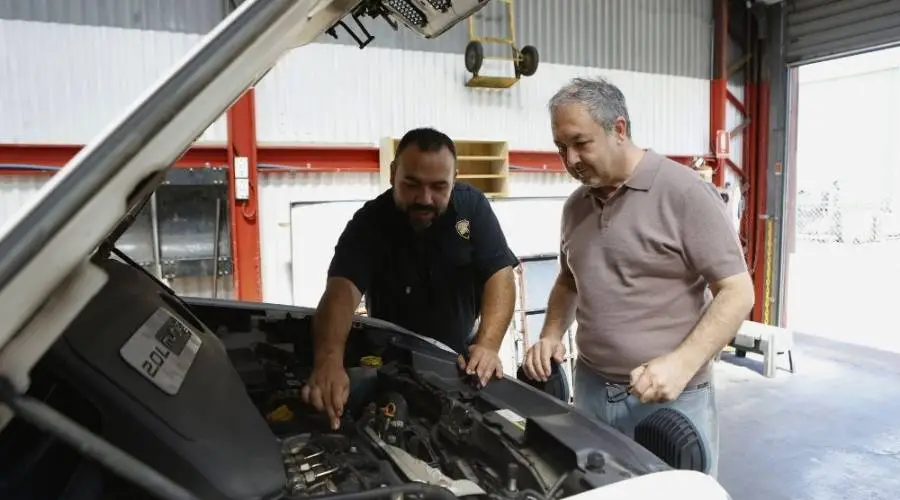
Signs You Should Get the Car Checked Soon
Some vibration issues are more urgent than others.
You should arrange an inspection if you notice:
- Increasing vibration at highway speeds, especially if the shaking becomes stronger the faster you drive.
- Uneven tyre wear, which may indicate alignment, balancing, or suspension-related problems.
- Pulling while driving, where the vehicle drifts slightly to one side without steering input.
- Steering looseness, making the steering wheel feel unstable or less responsive than normal.
- Shaking during braking, which often points to brake rotor or braking system issues.
These symptoms usually indicate developing mechanical or safety-related issues.
Understanding early mechanical warning signs can help prevent further damage.
Not Sure Why Your Car Is Vibrating?
If your vehicle feels unstable or starts shaking at highway speeds, it’s best not to ignore it.
Getting the issue checked early can help prevent tyre damage, suspension wear, and more expensive repairs later.
For practical advice and inspection support, you can contact us to discuss what you’re experiencing and what the next step should be.
Frequently Asked Questions
Why does my car only shake at high speed?
High speeds amplify wheel imbalance, tyre defects, and suspension issues that may not be noticeable at lower speeds.
Can bad tyres cause highway vibrations?
Yes. Uneven wear, internal tyre damage, or incorrect balancing are common causes.
Is it dangerous to drive with shaking at 100km/h?
It can be, especially if the issue involves suspension, steering, or braking components.
Will wheel balancing fix the problem?
Sometimes, but only if the imbalance is the root cause. Other mechanical issues may also contribute.
Can suspension problems cause vibration?
Yes. Worn shocks, bushings, or steering components can all create instability at speed.