

Queensland’s dramatic seasonal variations create unique challenges for vehicle maintenance, from scorching summer temperatures exceeding 40°C to sudden winter frosts in inland areas. Understanding how seasonal changes affect your vehicle helps prevent costly breakdowns and ensures reliable transportation throughout the year.
As Logan-based automotive experts who’ve witnessed Queensland’s seasonal extremes for over 5 years, we’ve learned that proactive seasonal preparation prevents the majority of weather-related vehicle problems. Each season brings specific maintenance priorities that, when addressed properly, keep your vehicle running smoothly regardless of Queensland’s challenging conditions.
Whether you’re preparing for summer’s intense heat, navigating the wet season’s flooding rains, or optimizing performance during mild winter months, this comprehensive guide provides practical maintenance strategies for every Queensland season.
Summer Preparation: Surviving Queensland’s Extreme Heat (December – February)
Cooling System Optimization for Extreme Heat
Queensland summers regularly push temperatures above 35°C, with some regions experiencing sustained periods over 40°C. These extreme conditions place enormous stress on vehicle cooling systems, making summer preparation absolutely critical for reliable operation.
Critical Summer Cooling System Maintenance:
- Replace aging coolant with fresh mixture (50/50 ratio minimum)
- Inspect radiator hoses for heat damage, cracks, or soft spots
- Clean radiator fins of debris, insects, and accumulated dirt
- Test radiator cap pressure rating and sealing capability
- Verify cooling fan operation at correct temperature thresholds
- Check water pump for leaks or bearing noise
- Inspect thermostat operation during warm-up cycles
Signs Your Cooling System Needs Immediate Attention:
- Temperature gauge reading higher than normal operating range
- Steam or sweet coolant smell from engine bay
- Coolant puddles under vehicle after parking
- White smoke from exhaust during engine startup
- Unusual engine noises or reduced performance
Air Conditioning System Performance
Queensland summers make air conditioning essential for comfort and safety, but the system works hardest when you need it most. Proper maintenance ensures reliable cooling during extreme heat periods.
Air Conditioning Summer Maintenance:
- Professional refrigerant level check and system pressure testing
- Cabin air filter replacement for optimal airflow
- Air conditioning condenser cleaning for maximum heat transfer
- Belt condition inspection for compressor operation
- Electrical connection verification for reliable operation
- System performance testing during moderate temperatures
Maximizing Air Conditioning Efficiency:
- Use sunshades and window tinting to reduce cabin heat load
- Start cooling before entering superheated vehicles
- Set recirculation mode during initial cooling for faster results
- Regular operation prevents seals from drying and failing
- Clean interior surfaces to reduce heat absorption
Plan summer adventures with confidence knowing your vehicle can handle Queensland’s extreme temperatures.

Battery Performance in Extreme Heat
Contrary to popular belief, extreme heat is more damaging to batteries than cold weather. Queensland’s summer heat significantly reduces battery life and can cause sudden failures during peak demand periods.
Summer Battery Care:
- Monthly terminal cleaning to prevent corrosion buildup
- Battery load testing before summer if over 2 years old
- Fluid level checking in serviceable batteries
- Secure mounting to prevent vibration damage
- Parking in shade when possible to reduce heat exposure
- Monitoring for signs of sulfation or plate damage
Heat-Related Battery Symptoms:
- Slow cranking during hot weather startup
- Dim headlights or electrical system performance issues
- Battery case swelling or distortion from heat
- Corrosion around terminals despite recent cleaning
- Premature failure in batteries under 3 years old
Tyre Management During Summer Heat
Hot bitumen and extreme ambient temperatures create challenging conditions for tyres, increasing wear rates and puncture risks while affecting handling and safety.
Summer Tyre Maintenance:
- Weekly pressure checks during heat waves (check when cold)
- Tread depth monitoring for even wear patterns
- Sidewall inspection for heat damage or age cracking
- Rotation scheduling every 10,000km for even wear
- Alignment checks if uneven wear patterns develop
- Load rating verification for summer holiday travels
Heat-Affected Tyre Performance:
- Pressure increases significantly with temperature rises
- Tread compounds wear faster on hot road surfaces
- Blowout risks increase with underinflation and heat
- Handling characteristics change with temperature variations
- UV exposure accelerates rubber degradation processes
Wet Season Readiness: Navigating Queensland’s Monsoons (December – March)
Brake System Performance in Wet Conditions
Queensland’s wet season brings torrential downpours and flooding conditions that test brake performance and safety systems. Proper brake maintenance becomes critical for wet weather driving safety.
Wet Season Brake Preparation:
- Brake pad thickness verification (minimum 4mm for wet conditions)
- Brake fluid replacement if contaminated or over 2 years old
- Brake line inspection for corrosion or damage
- Brake disc condition assessment for even wear patterns
- ABS system functionality testing and warning light checks
- Brake light operation verification for visibility
Wet Weather Brake Performance Factors:
- Water contamination reduces initial braking effectiveness
- Frequent light application helps maintain dry contact surfaces
- Brake fade occurs more readily in wet conditions
- Stopping distances increase dramatically on wet surfaces
- Emergency braking requires different techniques
Scenic drive preparation includes specific wet weather safety considerations for mountain and coastal routes.
Windscreen and Visibility Systems
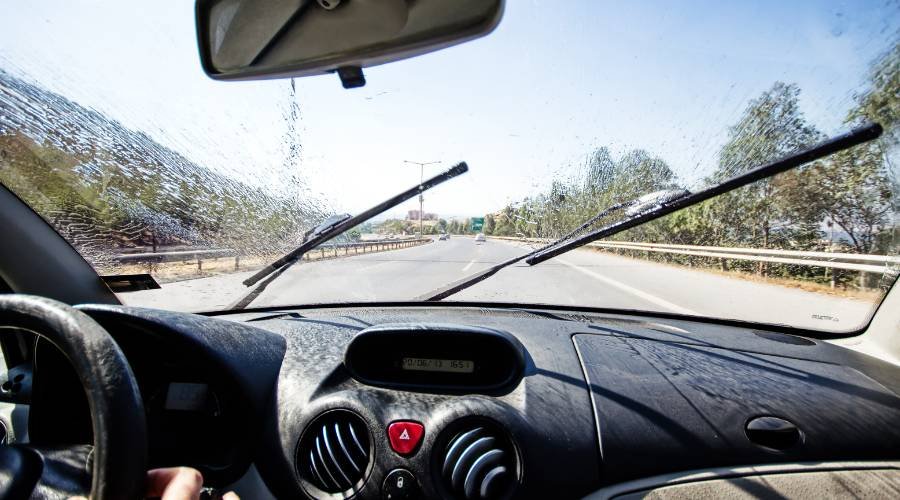
Sudden Queensland downpours can reduce visibility to near zero, making windscreen and lighting systems critical for wet season safety.
Visibility System Maintenance:
- Windscreen wiper blade replacement every 12 months
- Washer reservoir filling with quality cleaning fluid
- Windscreen chip repair before crack propagation
- Headlight lens cleaning and bulb operation testing
- Rear window defroster grid functionality verification
- Mirror adjustment and heating element operation
Wet Season Visibility Challenges:
- Heavy rain overwhelms older or damaged wiper blades
- Spray from other vehicles reduces windscreen clarity
- Fogging occurs rapidly with humidity changes
- Headlight effectiveness decreases in heavy rain
- Standing water creates unpredictable visibility conditions
Electrical System Protection from Moisture
Queensland’s high humidity and flooding conditions can cause electrical system problems, from minor annoyances to major component failures.
Moisture Protection Strategies:
- Battery terminal protection with appropriate sprays
- Electrical connection inspection and cleaning
- Fuse box moisture barrier verification
- Ground connection cleaning and protection
- Ignition system component inspection for moisture damage
- Air filter replacement to prevent moisture ingestion
Flood Preparation and Recovery
Queensland’s wet season regularly produces flooding conditions that can damage vehicles even without complete submersion.
Flood Damage Prevention:
- Avoid driving through standing water deeper than wheel centers
- Understand that water depth is often deceptive
- Turn around at flooded crossings rather than attempting passage
- Monitor weather warnings and road closure information
- Plan alternate routes during flood-prone periods
Post-Flood Vehicle Inspection:
- Professional inspection if any water entered passenger compartment
- Fluid contamination checking in differentials and transmission
- Brake system flushing if contaminated with flood water
- Electrical system testing for moisture-related damage
- Engine air intake inspection for water ingestion signs
Local area exploration during wet season requires extra vehicle preparation and route planning.
Winter Optimization: Maximizing Mild Season Performance (June – August)
Taking Advantage of Optimal Operating Conditions
Queensland winters provide ideal conditions for vehicle operation, with comfortable temperatures reducing stress on cooling systems and improved air density enhancing engine performance.
Winter Maintenance Advantages:
- Reduced cooling system stress allows thorough inspection
- Comfortable temperatures make maintenance tasks easier
- Lower humidity reduces electrical system moisture problems
- Mild conditions perfect for comprehensive servicing
- Optimal weather for addressing deferred maintenance items
Engine Performance in Cool Weather
Cool winter air increases engine efficiency and power output, making winter an excellent time for performance assessment and maintenance.
Winter Engine Care:
- Oil viscosity adjustment for cooler temperatures
- Engine bay inspection without extreme heat dangers
- Belt and hose condition assessment during moderate temperatures
- Fuel system cleaning and additive treatment
- Ignition system tune-up for optimal cold-weather performance
- Emission system inspection and maintenance
Preparing for Temperature Variations
While Queensland winters are mild compared to southern states, early morning frosts and temperature variations still affect vehicle operation, particularly in inland areas.
Temperature Variation Preparations:
- Windscreen washer fluid appropriate for minimum temperatures
- Battery performance testing as cooler weather approaches
- Tyre pressure monitoring as temperatures fluctuate
- Fuel system moisture prevention with quality additives
- Heating system operation testing for comfort
- Defrosting system functionality verification
Spring Renewal: Preparing for Rising Temperatures (September – November)
Transitional Season Maintenance
Spring’s gradually increasing temperatures and changing weather patterns make it ideal for comprehensive maintenance before summer’s extreme conditions return.
Spring Maintenance Priorities:
- Cooling system flush and refill with fresh coolant
- Air conditioning system servicing before peak demand
- Comprehensive brake system inspection and service
- Tyre condition assessment and rotation scheduling
- Battery performance testing before summer heat stress
- Comprehensive fluid level and condition verification
Preparing for Storm Season
Queensland’s spring storm season brings severe weather, hail, and sudden temperature changes that challenge vehicle systems.
Storm Season Preparation:
- Windscreen protection from hail damage
- Electrical system surge protection verification
- Severe weather emergency kit preparation
- Secure storage planning for extreme weather events
- Insurance coverage review for storm-related damage
- Emergency contact information updates
Road trip preparation becomes crucial as families plan spring holiday adventures.
Year-Round Maintenance Strategies
Monthly Maintenance Routines
Consistent monthly maintenance prevents seasonal problems from developing into expensive repairs while ensuring reliable operation throughout Queensland’s challenging conditions.
Monthly Inspection Checklist:
✅ Tyre pressure and condition assessment
✅ Fluid level verification (oil, coolant, brake, washer)
✅ Light operation testing (all exterior lights)
✅ Windscreen wiper effectiveness evaluation
✅ Battery terminal condition and cleaning
✅ Air filter condition inspection
✅ Unusual noise or vibration monitoring
Seasonal Transition Preparations
Queensland’s rapid seasonal transitions require proactive maintenance adjustments to optimize vehicle performance for changing conditions.
Transition Period Focus Areas:
- Fluid grade adjustments for temperature changes
- System performance testing before peak demand seasons
- Wear item replacement before challenging conditions
- Emergency equipment updates for seasonal requirements
- Service interval adjustments for seasonal stress factors
- Professional inspection scheduling during optimal conditions
Professional Maintenance Scheduling
Strategic professional maintenance scheduling maximizes vehicle reliability while taking advantage of Queensland’s seasonal patterns.
Optimal Service Timing:
- Major services during mild winter months
- Air conditioning service in early spring before summer
- Cooling system maintenance during autumn preparation
- Brake service before wet season begins
- Comprehensive inspection before holiday travel seasons
- Emergency repairs during comfortable working conditions
Professional maintenance services ensure your vehicle is prepared for every Queensland season.

Regional Considerations for Logan and Brisbane South
Coastal Influence Effects
Logan’s proximity to the coast creates unique seasonal challenges from salt air exposure, humidity variations, and temperature moderation effects.
Coastal Climate Adaptations:
- Increased corrosion protection during humid periods
- More frequent electrical system cleaning and protection
- Enhanced air filter replacement scheduling
- Regular undercarriage washing to remove salt deposits
- Paint protection from UV exposure and salt air
Urban Heat Island Effects
Brisbane’s urban environment creates elevated temperatures compared to rural areas, intensifying summer heat stress on vehicles.
Urban Heat Adaptations:
- Parking strategy optimization to minimize heat exposure
- Enhanced cooling system maintenance for city driving
- Air conditioning system priority during summer months
- Tyre pressure monitoring for hot pavement contact
- Battery protection from reflected heat in parking areas
Travel Preparation for Diverse Conditions
Logan’s central location provides access to varied Queensland climates, from coastal areas to mountain regions, each requiring specific preparation.
Multi-Climate Preparation:
- Vehicle capability assessment for intended destinations
- Emergency equipment selection for diverse conditions
- Seasonal timing optimization for different regions
- Route planning considering seasonal weather patterns
- Communication planning for varying coverage areas
Community events throughout the seasons provide opportunities to showcase well-maintained vehicles and share maintenance tips.
Professional Support and Emergency Preparedness
Seasonal Service Planning
Professional maintenance services become particularly important during Queensland’s extreme seasons when vehicle stress peaks and breakdown consequences are most severe.
Professional Service Benefits:
- Expert diagnosis of seasonal wear patterns
- Access to specialized equipment and testing capabilities
- Professional advice on seasonal preparation strategies
- Warranty protection for components and labor
- Emergency support during breakdown situations
- Performance optimization for specific seasonal conditions
Emergency Response Preparation
Queensland’s seasonal extremes can create dangerous breakdown situations, making emergency preparedness essential for safe seasonal driving.
Seasonal Emergency Kits:
- Summer: Extra water, sun protection, cooling towels
- Wet Season: Waterproof storage, emergency communications
- Winter: Warm clothing, emergency blankets, hot beverages
- Spring Storms: Weather radio, secure shelter materials
- Year-Round: First aid, tools, spare fluids, communication devices
Conclusion: Embracing Queensland’s Seasonal Challenges
Queensland’s dramatic seasonal variations create unique vehicle maintenance challenges that, when properly addressed, ensure reliable transportation throughout the year. From summer’s extreme heat to wet season flooding, each season demands specific preparation strategies and maintenance priorities.
Understanding these seasonal requirements allows Queensland drivers to proactively maintain their vehicles rather than reactively repair breakdown damage. The investment in seasonal maintenance pays enormous dividends in reliability, safety, and cost savings over your vehicle’s lifetime.
As your local Logan automotive experts, we understand Queensland’s seasonal challenges and their effects on vehicle performance. Our experience with local conditions, combined with professional maintenance capabilities, ensures your vehicle is prepared for every season’s unique demands.
Don’t wait for seasonal conditions to reveal vehicle weaknesses. Proactive seasonal maintenance ensures reliable transportation when you need it most, whether commuting through summer heat waves, navigating wet season floods, or exploring Queensland’s diverse regions during perfect winter weather.
Schedule your seasonal vehicle preparation and ensure year-round reliability regardless of Queensland’s challenging conditions.
Frequently Asked Questions about Seasonal Car Care
When should I schedule major vehicle services to avoid seasonal breakdowns?
Schedule major services during mild winter months (June-August) to prepare for summer heat stress. Service air conditioning in early spring and cooling systems in late autumn for optimal seasonal performance.
How does Queensland’s humidity affect vehicle maintenance requirements?
High humidity accelerates electrical system corrosion, promotes mold growth in air conditioning systems, and affects brake performance. Increase electrical system cleaning frequency and ensure proper ventilation during storage.
Should I use different oil grades for Queensland’s seasonal temperature variations?
Modern multi-grade oils handle Queensland temperature ranges effectively. However, extreme conditions or high-mileage engines may benefit from seasonal viscosity adjustments based on manufacturer recommendations.
What’s the most important seasonal maintenance for preventing breakdowns?
Cooling system maintenance is critical for Queensland conditions. Summer overheating causes the most expensive damage and dangerous breakdown situations, making cooling system care the highest priority.
How do I protect my vehicle during Queensland’s severe storm season?
Use covered parking when possible, maintain comprehensive insurance coverage, keep emergency supplies current, and avoid driving during severe weather warnings. Professional pre-storm inspections identify vulnerable components.