
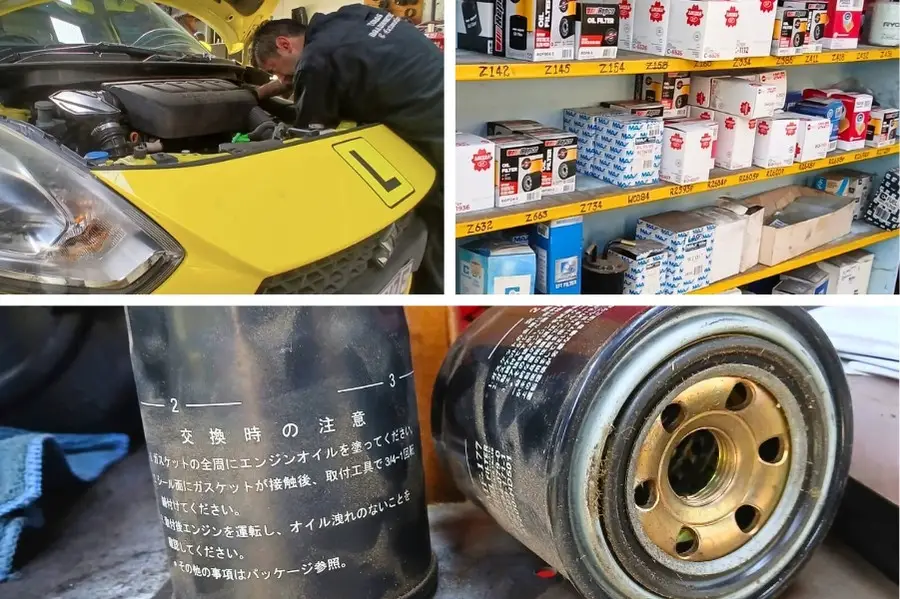
Sakura filters give reliable, long-lasting protection against dust, dirt and contaminants, making them one of the best choices for everyday driving in Queensland. Repco filters also perform strongly, which is why we recommend both brands during servicing.
Sakura filters protect your engine from dust and contaminants better than most budget brands, making them ideal for Queensland driving conditions.
Why We Stand Behind Sakura & Repco Filters at Toros
When it comes to keeping your engine healthy, few things matter more than the quality of the filters you use. Filters are small, inexpensive components — but they make a massive difference in how smoothly your car runs, how efficiently it performs, and how long major engine parts last.
We’ve serviced thousands of vehicles across Slacks Creek, Springwood, Underwood and Logan, and we see the same pattern over and over: Cheap filters cause problems, and quality filters prevent them.
Low-cost filters often:
- clog faster
- allow dust to slip through
- break down under heat
- restrict airflow
- shorten the lifespan of your oil and fuel
But brands like Sakura filters and Repco filters consistently hold up in Queensland conditions. They’re built to handle the combination of heat, humidity, dust, roadworks and stop–start traffic we see every day in Logan and Brisbane South.
These brands also align with our broader car maintenance tips — focusing on simple, reliable habits that prevent the big, expensive issues many drivers face.
Using quality filters during your regular servicing is one of the easiest ways to protect your engine from unnecessary wear. For most vehicles, that means including Sakura or Repco as part of every logbook service, alongside checks on other key components like your air system, shock absorbers, brakes and even your wiper blades during storm season.
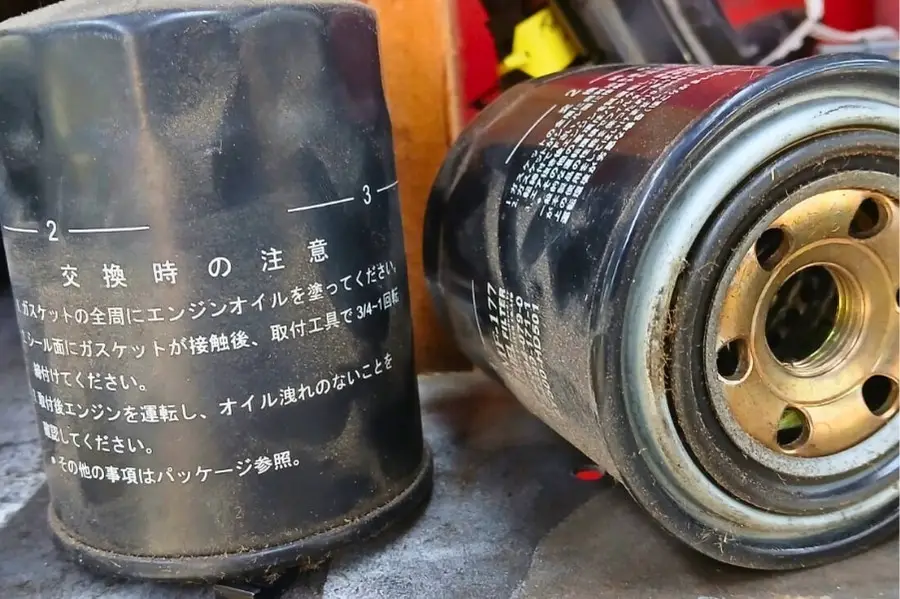
What Makes Sakura Filters a Strong Choice?
Sakura is widely respected for producing filters that are durable, well-sealed and built for dusty environments — exactly what we get around Logan and Brisbane South.
1. Excellent dust and dirt filtration
Queensland roads, industrial areas and construction zones kick up a lot of dust. Sakura filters trap fine particles that cheaper filters often miss.
This protects your:
- engine oil
- pistons
- cylinders
- sensors
- turbo (if fitted)
2. Reinforced sealing that reduces engine wear
Cheap filters often fail at the seal, allowing unfiltered air to bypass straight into the engine.
Sakura seals survive:
- heat
- vibration
- humidity
- stop–start traffic
This durability matches what we share in the blog, seasonal car care tips for Queensland drivers, where weather conditions heavily impact filter life.
3. Designed for Australian conditions
Sakura is known for reliable performance under:
- high temperatures
- dusty or humid environments
- stop–start traffic
- longer service intervals
4. Reliable performance across different driving conditions
Whether you’re mainly on Kingston Road or taking highway trips on the M1, Sakura filters deliver consistent protection — just like the advice in our Roadworthy inspection preparation guide, where airflow and filter condition play a major role.
Why We Also Trust Repco Filters
For many vehicles, Repco filters are another strong option. They offer:
- dependable filtration
- good sealing
- solid durability
- compatibility with a wide range of vehicles
Like Sakura, they outperform cheaper off-brand filters and provide good long-term value.
We often choose between Sakura and Repco based on:
- vehicle make
- driving environment
- price vs. value
- what the manufacturer recommends
- stock availability
Either way — you’re getting a quality filter we stand behind.
The 4 Filters Every Car Needs — And What They Do
This section helps drivers understand where filters fit into the bigger maintenance picture.
1. Oil Filter
Removes contaminants from engine oil. Keeps the engine running smoothly and prevents premature wear.
Replace: every service (usually 10,000–15,000km)
If the oil filter is cheap or clogged, the engine loses lubrication and gets damaged quickly.
2. Air Filter
Stops dust, dirt and insects from entering the engine.
Replace: every 20,000–30,000km (more often in dusty areas)
A dirty air filter can:
- reduce power
- worsen fuel economy
- make the car feel sluggish
3. Fuel Filter
Keeps impurities out of the fuel system.
Replace: every 40,000–80,000km (depending on the vehicle)
A poor or clogged fuel filter can:
- cause rough idling
- reduce acceleration
- starve the engine of fuel
- increase fuel pump strain
4. Cabin Filter
Stops dust, pollen, mould spores and debris from entering the cabin.
Replace: every 40,000–50,000km — if you’re unsure, this guide on how often to replace your cabin filter helps you spot the right timing.
A dirty cabin filter leads to:
- weak airflow
- foggy windscreens
- musty smells
- heavier load on the AC
Sakura makes excellent cabin filters because of their multi-layer design.
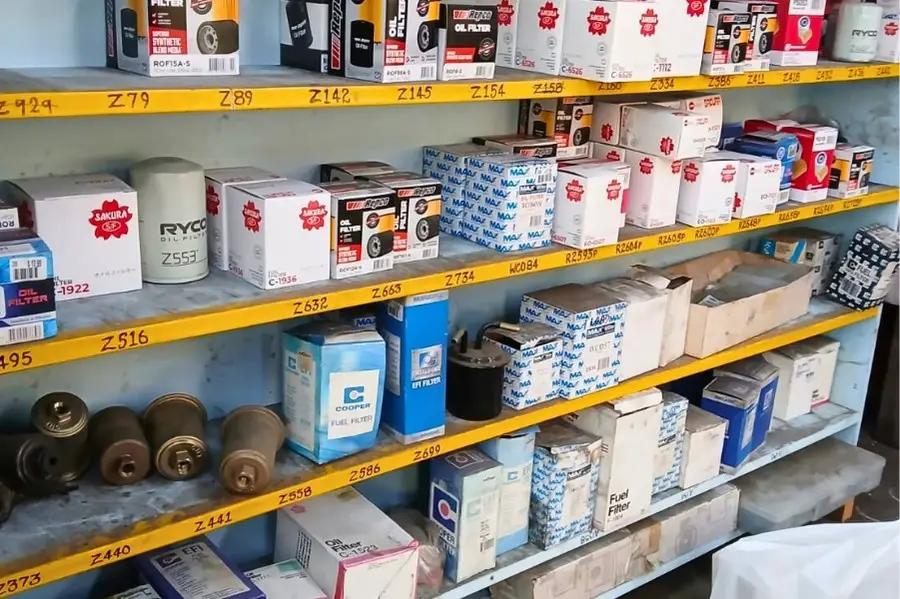
Cheap Filters vs Sakura Filters — Real Differences We See
After servicing thousands of vehicles across Logan and Brisbane South, we can spot cheap filters instantly — and we see the problems they cause far too often. Here are the biggest differences we find between budget filters and quality brands like Sakura and Repco:
1. Weak or poorly glued seals
These leak or separate under heat.
This is dangerous — especially for oil filters.
2. Thin filtration media
Budget paper filters let dust through.
That dust gets into the engine.
3. Reduced fuel efficiency
Airflow is inconsistent.
The engine works harder.
4. Early clogging
Cheaper filters clog faster due to:
- smaller surface area
- low-quality fibres
- poor manufacturing
5. Engine strain over time
A $12 filter can cause a $3,000 repair.
We’ve seen it too often.
This is why we prefer fitting Sakura filters or Repco filters — consistent performance with less risk.
How Local Conditions Affect Filter Life
Driving in Slacks Creek, Underwood, Springwood, Logan and Brisbane South exposes your car to:
- heat and humidity
- dust from construction
- high traffic areas
- industrial zones
- frequent idling
- sudden storms
These accelerate filter wear.
If you commute along:
- Kingston Rd
- Compton Rd
- Paradise Rd
- Logan Motorway
…your filters are doing more work than the average driver realises.
This is why pairing Sakura filters with consistent tyre rotation, good shock absorbers, and quality Bendix/Bremtec Pads contributes to a more stable, reliable overall driving experience.
How Filters Affect Other Parts of Your Car
Filters may seem unrelated to other systems, but everything in your car works together.
Air filter → acceleration & fuel economy
A clogged air filter restricts airflow, making the engine sluggish.
Cabin filter → visibility & AC efficiency
A clogged cabin filter reduces airflow and fogs the windscreen more easily — especially important when braking in wet weather.
Oil filter → engine health
Keeps oil clean, reducing friction and wear.
Fuel filter → engine smoothness
Prevents hesitation, misfires and poor response.
Connecting this to the bigger maintenance picture, habits like tyre rotation, checking wiper blades, and monitoring shock absorbers help the whole system stay in balance.
When to Replace Your Filters
Here’s a simple breakdown for most vehicles:
| Filter Type | Recommended Interval |
| Oil Filter | Every service (10,000–15,000km) |
| Air Filter | 20,000–30,000km |
| Fuel Filter | 40,000–80,000km |
| Cabin Filter | 40,000–50,000km |
These intervals are shorter if you:
- tow
- drive in dusty/industrial areas
- sit in traffic often
- drive an older vehicle
How We Check Filters at Toros
When you visit for servicing or mechanical repairs, we inspect:
- the oil filter for clogging or seal damage
- the air filter for dust build-up and airflow restriction
- the fuel filter for flow issues or contamination
- the cabin filter for mould, dust and debris
- all seals, housings and fittings
- airflow and engine performance
If you’d like to see what we removed, we’ll show you the old filters — most drivers are shocked at how dirty they get.
Next Steps – Keep Your Engine Breathing Clean
If you haven’t replaced your filters recently — or you’re not sure when they were last changed — now is a great time to get them checked. Clean, quality filters help your engine run smoothly, maintain fuel efficiency and stay protected long-term.
We can help with:
- Logbook servicing
- Checking AC airflow
- Mechanical repairs
- Roadworthy inspections
- Suspension, brakes and tyre checks
Contact us today and book a service— let us help you keep your engine healthy, efficient and protected with the right filters.
Frequently Asked Questions
Are Sakura filters good quality?
Yes. Sakura filters offer excellent sealing, long life and strong dust protection, making them one of the most reliable options for Queensland conditions.
Are Sakura filters better than Repco filters?
Both are excellent choices. Sakura often performs best in dusty or high-pollution areas, while Repco filters provide consistently strong filtration across a wide range of vehicles. We recommend the best match based on your car and driving habits.
Can a cheap filter damage my engine?
Absolutely. Poor sealing or thin filtration media can let dirt and contaminants into the engine, leading to premature wear, reduced efficiency and costly repairs.
How do I know if my filter needs replacing?
Common signs include weak airflow, reduced acceleration, higher fuel use, musty cabin smells or a visibly dark, clogged filter. We check all filters during logbook servicing.
Should I replace my filters during a service?
Yes. Filters are designed to be replaced at specific service intervals. Keeping them fresh protects the engine and prevents avoidable problems down the road.