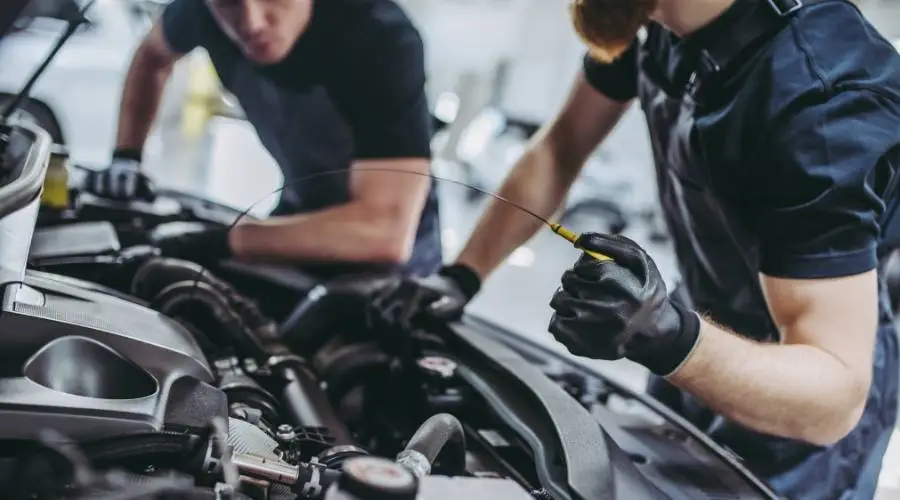

If you’re trying to extend brake life, this guide breaks down the everyday driving habits and simple maintenance steps that make the biggest difference—especially in Queensland conditions where heat, traffic, and stop-start driving take a toll on brakes.
To extend brake life, drivers should adopt smoother braking habits, use engine braking where appropriate, avoid unnecessary hard stops, and keep up with routine brake maintenance, such as brake fluid care and inspections. These small changes can significantly improve brake pad longevity and reduce brake wear over time.
You can extend brake life by adjusting driving habits and maintaining brake components properly, helping reduce wear and keep your vehicle safer for longer.
Why Brake Wear Happens Faster Than Most Drivers Expect
Brakes are designed to wear—it’s how they keep you safe. But how quickly they wear depends heavily on how and where you drive.
Queensland drivers often deal with conditions that place extra strain on braking systems.
- Heavy traffic and frequent stopping mean brakes are used constantly, generating heat and friction that speed up pad and rotor wear.
- High temperatures and warm road surfaces accelerate component wear, especially during long drives or peak summer conditions.
- Urban driving with short, repeated trips prevents brakes from cooling properly between uses, leading to faster deterioration over time.
Together, these conditions increase brake pad and rotor wear. The good news is that small changes in driving style and routine maintenance can make a noticeable difference.
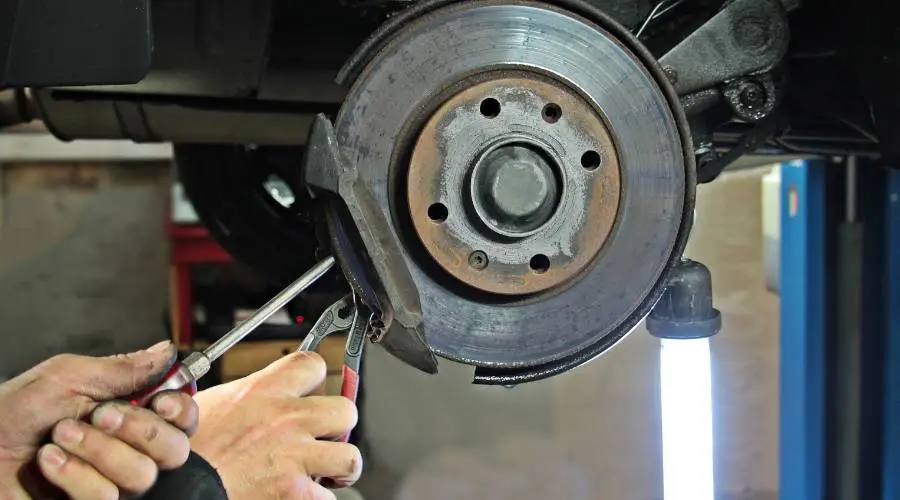
Smart Driving Habits That Help Extend Brake Life
Your driving habits play a bigger role in brake longevity than most people realise.
1. Brake Earlier and More Gradually
Leaving more space between you and the car ahead allows you to slow down gently instead of braking hard at the last moment. This reduces heat buildup and friction on pads and rotors.
2. Use Engine Braking Where Appropriate
Downshifting to slow the car—especially when approaching lights or descending hills—takes pressure off the brake system and helps reduce brake wear.
3. Avoid Riding the Brakes
Keeping your foot lightly on the brake pedal, particularly in traffic or on hills, causes constant friction and unnecessary wear.
4. Anticipate Traffic Flow
Watching traffic patterns ahead helps you lift off the accelerator earlier, reducing the need for sudden braking.
These habits don’t just extend brake life—they also make driving smoother and more fuel-efficient.
Maintenance Tips That Improve Brake Pad Longevity
Driving habits are only part of the equation. Regular maintenance plays a major role in keeping brakes working efficiently.
1. Keep Brake Fluid in Good Condition
Brake fluid absorbs moisture over time, which reduces braking performance and can accelerate internal wear. Proper brake fluid care helps maintain a consistent pedal feel and braking response.
2. Don’t Ignore Minor Brake Noises
Light squealing or grinding often appears before serious wear occurs. Early inspection can prevent damage to rotors and callipers.
3. Check Brakes During Routine Servicing
Brake inspections are often included during regular servicing and brake & suspension checks, helping catch uneven wear before it becomes a safety issue.
4. Address Alignment and Suspension Issues
Poor wheel alignment or worn suspension components can cause brakes to wear unevenly, shortening their lifespan.
Early Signs Your Brakes Are Wearing Faster Than They Should
Recognising early warning signs helps prevent unnecessary damage.
1. Squealing or Grinding Sounds
High-pitched squeals often indicate worn pads, while grinding can mean metal-to-metal contact.
2. Vibration When Braking
A pulsing brake pedal or steering wheel vibration may point to warped rotors caused by excess heat.
3. Longer Stopping Distances
If the car takes longer to stop, braking efficiency may already be compromised.
4. Brake Warning Lights
Dashboard warning lights should never be ignored—they’re often triggered before major issues develop.
If these signs sound familiar, understanding the early warning signs of mechanical problems can help you act before repairs become more costly.
Why Focusing on Prevention Makes a Difference
Brake components naturally wear over time, but how quickly that happens depends on driving habits and maintenance. By braking smoothly, reducing unnecessary strain, and keeping up with routine checks, drivers can slow the wear process and maintain consistent braking performance.
Preventive care also makes it easier to spotthe signs that brake or suspension components may need attention before wear reaches a critical point. Taking action early helps avoid safety issues and unexpected repair costs later on.
Why Brake Care Matters for Safety and Roadworthiness
Brake condition isn’t just about comfort—it directly affects safety and compliance.
Increased Stopping Distance
Worn or poorly maintained brakes require more distance to bring the vehicle to a stop, increasing the risk of collisions, especially in emergency situations.
Reduced Control During Sudden Braking
Uneven or degraded braking components can affect vehicle stability, making it harder to maintain control when braking hard or swerving.
Risk of Roadworthy Inspection Failures
Brake issues are a common reason vehicles fail roadworthy inspections, particularly when fluid leaks, worn pads, or uneven braking performance are present.
Brake problems are frequently identified during inspections, which is why regular checks and maintenance play an important role in keeping vehicles both safe and compliant.
Practical Ways Queensland Drivers Can Reduce Brake Wear
1. Adjust Driving Style in Traffic
Stop-start traffic is unavoidable, but smoother braking reduces heat and wear.
2. Service Brakes Before Long Trips
Before road trips or heavy driving periods, having brakes checked helps prevent unexpected issues.
3. Address Suspension Issues Early
Healthy suspension components help keep braking forces evenly distributed across wheels.
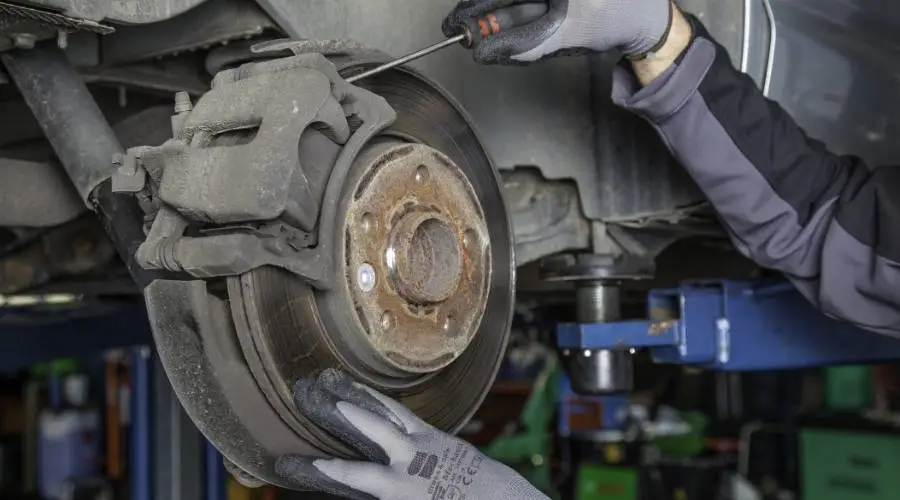
When to Have Your Brakes Checked
If your brakes are making noise, feel different, or you’re unsure how much life they have left, getting them inspected early can help prevent further wear and safety issues. Small adjustments now can make a big difference over time.
If you’d like advice or want your brakes checked, you can contact us to book an inspection or discuss what maintenance makes sense for your vehicle.
Frequently Asked Questions
How can I extend the life of my brakes?
You can extend brake life by braking smoothly, using engine braking, avoiding harsh stops, and keeping up with routine brake inspections and fluid maintenance.
What causes brake pads to wear faster?
Aggressive braking, stop-start driving, heat, worn suspension components, and neglected maintenance all contribute to faster brake wear.
How often should brake fluid be changed?
Brake fluid intervals vary by vehicle, but it’s commonly checked during servicing and replaced as recommended by the manufacturer.
Do driving habits really affect brake pad longevity?
Yes. Smooth, anticipatory driving can significantly reduce friction and heat, which slows brake wear.
Can worn brakes affect a roadworthy inspection?
Yes. Brake condition is a key part of roadworthy inspections, and worn or leaking components can lead to a failed inspection.