

To know if your car is ready for highway driving, pay attention to how it behaves at speed, under braking, while accelerating, and during longer periods of driving. Shaking, pulling, overheating, weak acceleration, unusual noises, warning lights, or changes in braking are all reasons to have the vehicle checked before a highway trip.
A car that feels fine during short trips around town can still have problems that become more noticeable during sustained higher-speed driving.
A car may feel fine around town but still show steering, vibration, braking, cooling, or acceleration problems during highway driving.
Your car starts normally, drives around town without much trouble, and hasn’t left you stranded. Does that automatically mean it’s ready for a longer run on the highway?
Not necessarily.
Highway driving can make certain problems easier to notice because the vehicle spends longer periods at higher speeds. If you’re wondering whether your car is ready for highway driving, don’t only think about whether it starts. Think about how it steers, brakes, accelerates, sounds, and maintains its temperature.
Why Can Highway Driving Reveal Problems You Haven’t Noticed Around Town?
Short local trips and sustained highway driving don’t place the same demands on a vehicle.
At higher speeds, wheel and tyre problems may become more noticeable. Longer periods of driving can also reveal cooling issues, while merging and overtaking can make poor acceleration more obvious.
That doesn’t mean highway driving itself creates these problems. In many cases, it simply makes an existing issue easier to notice.
Here are some of the warning signs we’d pay attention to before setting off.

Does the Car Shake as Your Speed Increases?
A vibration that only appears once you reach higher speeds deserves attention before a highway trip.
You may feel the shaking through the steering wheel, seat, or floor. Possible causes can involve tyres, wheels, balancing, alignment, suspension components, or other mechanical issues.
A slight vibration around town can become much more noticeable as speed increases. Problems with tyres, wheel balance, alignment, or suspension can sometimes contribute to a car shaking at high speed, particularly when the vibration only appears after reaching a certain speed.
Don’t assume a vibration is simply something an older car does. If the behaviour has appeared recently or is getting worse, find the cause before relying on the vehicle for sustained highway driving.
Does the Steering Pull or Feel Unstable?
On a straight road, the vehicle shouldn’t constantly require you to fight the steering to keep it travelling where you intend.
If the car pulls noticeably to one side, the steering wheel wobbles, or the vehicle feels unusually unsettled, there may be an issue involving tyres, wheel alignment, steering, or suspension components.
Queensland Transport and Main Roads recommends checking that the steering wheel remains stable on straight roads and through turns. It also identifies steering that wobbles or pulls as something drivers should pay attention to.
Steering and suspension issues can affect how confidently the vehicle responds at road speed. If you’ve noticed changes, brake and suspension maintenance can help you understand when worn components may need attention.
Does the Car Hesitate When You Need to Accelerate?
Highway driving often requires confident acceleration when entering traffic, changing speed, or travelling up an incline.
If you press the accelerator and the car hesitates, surges, loses power, or responds much more slowly than normal, don’t wait until you’re trying to merge onto a busy highway to investigate it.
There are several possible reasons for poor acceleration, so the symptom alone isn’t enough to identify the faulty component. A car that hesitates when accelerating may have an underlying fuel, ignition, airflow, or other mechanical issue that should be diagnosed before a longer drive.
If acceleration has recently changed, have the cause diagnosed rather than assuming the vehicle simply needs to be driven harder.
Does the Temperature Rise During Longer Drives?
Your temperature gauge can tell you something important about how the cooling system is coping.
If the temperature stays normal during short trips but begins climbing after extended driving, when sitting in traffic, or under increased engine load, the cooling system may need attention.
Low coolant, leaks, cooling fan problems, thermostat faults, or other cooling-system issues can contribute to overheating. Queensland’s vehicle safety guidance also tells drivers to pay attention if the temperature gauge rises quickly or unexpectedly.
If you’ve already seen the temperature climb, don’t use a highway trip to find out whether it will happen again. Issues such as coolant loss, thermostat problems, cooling fan faults, or radiator problems can contribute to car overheating, especially when the cooling system is already struggling.
Do the Brakes Feel Different From Normal?
Think about how your brakes have felt during your recent drives.
A change in pedal feel, reduced braking response, unusual noises, pulling under braking, or vibration when slowing down can all justify further investigation.
At highway speeds, you need enough distance to slow safely, which makes predictable braking particularly important. Queensland Government guidance recommends checking that brakes respond normally and effectively before driving.
Brake wear often develops gradually, so it’s easy to become accustomed to a change. If the vehicle doesn’t stop or respond the way it normally does, have the braking system checked before a longer highway journey.
Are Your Tyres Wearing Unevenly?
Tyres can tell you quite a lot about how the vehicle is behaving.
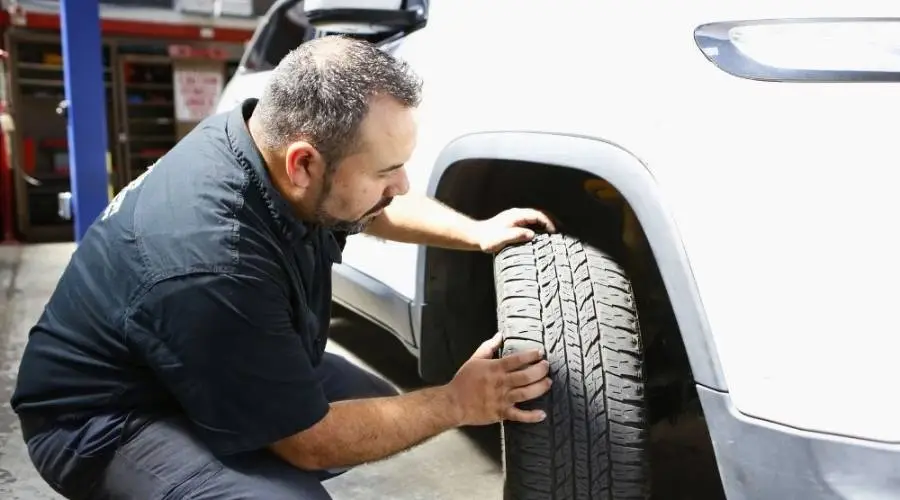
Look for unusual wear across the tread, damage to the sidewalls, embedded objects, or one tyre that looks noticeably different from the others. Queensland requires tyres to have at least 1.5 mm of tread depth across the surface contacting the road, and TMR advises drivers to check for abnormal wear, cracks, punctures, and correct pressures.
Uneven wear may also point towards another problem rather than simply an ageing tyre. Alignment or suspension issues, for example, can affect the way tyres wear.
If you’re unsure whether tyre damage can be repaired, our guide to tyre puncture repair versus replacement explains some of the factors involved.
Have You Noticed a New Noise?
A car doesn’t need to be completely silent, but you should pay attention when it starts making a noise that wasn’t there before.
Knocking, clunking, grinding, whining, rattling, or squealing can all have different causes. What matters is whether the sound is new, becoming louder, or appears under particular conditions such as accelerating, braking, turning, or travelling at higher speeds.
Queensland’s vehicle safety guidance recommends listening for unusual noises during a test drive.
If your vehicle has developed a new sound alongside another change in performance, don’t simply turn the radio up for the highway trip. Identifying the source beforehand gives you a much better idea of whether the vehicle needs attention.
Is There a Burning Smell After Driving?
A burning smell is another warning sign worth investigating before you commit to sustained highway driving.
Different smells can come from different sources. They may involve overheated brakes, leaking fluids reaching hot components, electrical problems, belts, or clutch-related issues, depending on the vehicle and circumstances.
A burning smell from the car can have several possible sources, including overheated components, leaking fluids, electrical faults, or clutch problems.
If a burning smell is strong, persistent, or accompanied by smoke or a warning light, don’t assume a longer drive will clear it.
Are Any Dashboard Warning Lights Staying On?
Your dashboard shouldn’t be treated as background decoration.
If a warning light stays illuminated after the vehicle starts, check what it means in your owner’s manual. The urgency depends on the warning and the vehicle.
A check engine light, charging-system warning, brake warning, oil-pressure warning, temperature warning, or steering warning can each point towards very different problems.
For example, if you’re already wondering whether you can drive with the check engine light on, it’s better to understand why the light appeared before committing to a longer highway journey.
What About Fluid Leaks Under the Car?
An unexplained puddle deserves a closer look before a long drive.
Not every liquid underneath a vehicle means something is wrong. Water from air-conditioning condensation, for example, can be normal. Oil, coolant, transmission fluid, brake fluid, or other automotive fluids are a different matter.
The colour, location, texture, and smell of the liquid may provide clues, but don’t rely on guessing if you’re unsure.
The colour and location of a fluid leaking from the car can sometimes provide an early clue about whether you’re dealing with coolant, oil, transmission fluid, or another problem.
Does the Car Feel Different From How It Normally Drives?
Sometimes the most useful warning isn’t a dashboard light or obvious noise. It’s simply that the vehicle doesn’t feel right.
Maybe the steering feels looser. Perhaps acceleration isn’t as smooth, the brakes require more effort, or the car seems less stable than it used to.
You drive your vehicle regularly, so changes from its normal behaviour are worth paying attention to. Queensland TMR similarly recommends taking a test drive and noticing the sound and feel of the vehicle, including steering stability, brake and accelerator response, unusual noises, and temperature behaviour.
New noises, changes in handling, warning lights, unusual smells, or reduced performance are all car warning signs that may need mechanical attention rather than something to put off until after the trip.
Should You Get the Car Checked Before Highway Driving?
Not every highway trip requires a special mechanical inspection.
If your car is properly maintained, servicing is current, and nothing about its operation has changed, there may be no reason to arrange an additional inspection solely because you’ll be driving on a highway.
The situation is different if you’ve noticed vibration, overheating, unusual sounds, weak acceleration, braking changes, steering problems, warning lights, leaks, or another new symptom.
It’s better to investigate those signs before the journey than to discover how serious they are once you’re travelling at highway speed.
If your scheduled maintenance is approaching, completing the logbook service before a longer drive can also help identify wear or maintenance items that are already due.
What If the Car Breaks Down on the Highway?
Even a well-maintained vehicle can experience an unexpected problem.
Queensland Government guidance recommends leaving the highway or motorway as soon as you realise the vehicle may break down, where possible. If you can’t exit, move onto the road shoulder or as far away from traffic as you safely can.
Once stopped, use your hazard lights. Queensland also warns that walking along highways or attempting roadside repairs can be dangerous.
Preparation matters too. Keep your phone charged and have your roadside assistance details available before travelling.
Pay Attention to How Your Car Feels Before You Leave
Knowing whether your car is ready for highway driving is about more than checking that it starts and has enough fuel.
Think about its recent behaviour. Shaking at speed, unstable steering, braking changes, overheating, hesitation, warning lights, leaks, unusual noises, or burning smells can all tell you that something deserves attention before a longer highway drive.
If you’ve noticed your car behaving differently and want to have the problem checked before heading onto the highway, contact us. We can inspect the symptoms and help identify any mechanical issues that need attention before you leave.
Frequently Asked Questions
How do I know if my car is ready for highway driving?
Pay attention to how the vehicle steers, accelerates, brakes, and maintains its temperature. New vibrations, warning lights, unusual noises, leaks, weak acceleration, or handling changes are reasons to have the vehicle checked before a highway trip.
Can a car be fine around town but have problems on the highway?
Yes. Some issues are more noticeable during sustained driving or at higher speeds. Wheel vibration, overheating, steering instability, and acceleration problems are examples that may become easier to notice under different driving conditions.
Is vibration at highway speed normal?
No unexplained new vibration should simply be considered normal. Tyres, wheels, balancing, alignment, suspension, and other components can contribute to vibration, so the cause should be identified.
Should I drive on the highway if my car is overheating?
If the temperature gauge is rising abnormally or the vehicle is showing signs of overheating, don’t deliberately continue with a highway trip. Overheating needs to be investigated because continued operation can lead to further damage.
Should I worry if my steering pulls slightly to one side?
A noticeable or new pull deserves attention. Tyre pressure, tyres, alignment, steering, and suspension can all influence how a vehicle tracks on the road.
Do I need a service every time I take a highway trip?
No. A highway trip doesn’t automatically mean your vehicle needs an extra service. Follow the manufacturer’s maintenance schedule, but arrange an inspection if servicing is due soon or you’ve noticed new symptoms.