
If you’re wondering about the consequences of skipping logbook service, the answer is simple: missing a scheduled service doesn’t usually cause an immediate breakdown, but it can increase wear on your vehicle, reduce reliability, affect fuel efficiency, and potentially impact your manufacturer’s warranty if servicing requirements aren’t followed. Regular logbook servicing helps identify small issues before they become expensive repairs.
The consequences of skipping a logbook service can include increased engine wear, reduced fuel economy, missed mechanical problems, higher repair costs, and, in some cases, warranty implications. Following your manufacturer’s recommended service schedule helps keep your vehicle running safely and efficiently.
Skipping a logbook service can lead to increased wear, reduced reliability, higher repair costs, and possible warranty issues over time.
Why Logbook Servicing Matters
It’s easy to postpone a service when your car still feels like it’s running well.
There are no warning lights, no unusual noises, and nothing seems obviously wrong. With busy schedules and everyday expenses, delaying a service by a few weeks—or even a few months—can feel harmless.
The reality is that logbook servicing is designed to prevent problems before they become noticeable.
Manufacturers don’t choose service intervals randomly. Each interval is based on how engine oil, filters, fluids, belts, and other components naturally wear over time. Even if the vehicle appears to be performing normally, important maintenance items may already be overdue.
Skipping these scheduled inspections means small issues can continue developing unnoticed until they become far more expensive to repair.
What Is a Logbook Service?
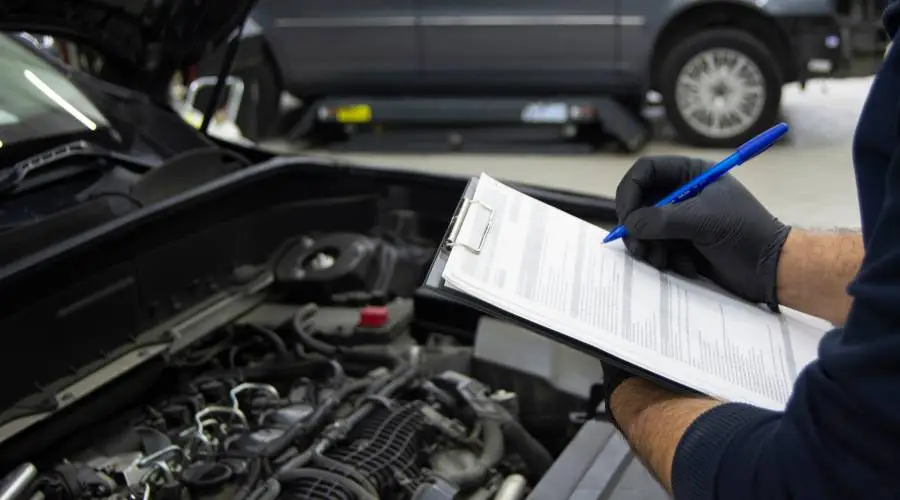
A logbook service follows the maintenance schedule provided by your vehicle’s manufacturer.
Rather than carrying out the same checks every visit, the work performed depends on the vehicle’s age, kilometres travelled, and service interval.
A typical logbook service may include:
- Engine oil and oil filter replacement to maintain proper lubrication and help protect the engine from premature wear.
- Inspection of brakes and tyres to assess their condition, safety, and overall performance on the road.
- Checking coolant and other fluids to ensure important systems are properly lubricated, cooled, and operating efficiently.
- Battery testing to check its condition and confirm the charging system is working correctly.
- Suspension and steering inspection to identify worn components that could affect handling, stability, or ride comfort.
- Drive belt inspection to look for signs of cracking, fraying, or wear that could lead to unexpected failure.
- Safety checks on critical components such as lights, wipers, steering, and other essential systems to help ensure the vehicle remains safe and reliable.
Following the recommended schedule helps ensure maintenance is completed when manufacturers expect components to require attention.
If you’re unsure when your next service is due, this guide explains car service intervals and recommended maintenance schedules.
What Happens When You Skip a Logbook Service?
Missing one service doesn’t usually result in immediate failure.
However, servicing is preventative by design. Every delay in service increases the amount of wear that occurs between inspections.
Over time, several problems can begin developing without obvious warning.
1. Engine Oil Continues to Break Down
Engine oil doesn’t last forever.
As kilometres increase, oil gradually loses its ability to lubricate and protect internal engine components. It also collects contaminants that reduce its effectiveness.
When servicing is delayed, the engine continues operating with degraded oil, increasing internal friction and wear.
This may not cause immediate symptoms, but it can reduce engine longevity over time.
2. Small Mechanical Problems Can Go Unnoticed
One of the biggest benefits of scheduled servicing is identifying developing issues before they become major repairs.
A small coolant leak, worn suspension component, ageing battery, or deteriorating belt may not produce noticeable symptoms during everyday driving.
Without regular inspections, these smaller faults can continue to worsen until they begin to affect reliability or safety.
This is why many mechanical problems are discovered during routine servicing rather than after a breakdown.
3. Fuel Efficiency May Gradually Decline
Drivers don’t always notice fuel economy getting worse.
It usually happens gradually as dirty filters, ageing spark plugs, worn fluids, or neglected maintenance reduce engine efficiency.
Over months of driving, the vehicle may begin using noticeably more fuel than before.
Although the difference might seem small at first, reduced fuel efficiency often costs more over time than completing scheduled maintenance when it’s due.
4. Components May Wear Faster
Many vehicle components rely on regular servicing to maximise their lifespan.
Fluids lose effectiveness, filters become restricted, and moving parts gradually experience more friction as maintenance is delayed.
While some components may continue functioning normally for some time, unnecessary wear often shortens their service life.
Eventually, parts that might have lasted years longer with routine maintenance may require earlier replacement.
5. Repairs Often Become More Expensive
Preventive maintenance is almost always less expensive than major repairs.
Replacing engine oil costs considerably less than repairing engine damage caused by inadequate lubrication. Similarly, replacing worn filters or belts during scheduled servicing is far less expensive than dealing with failures after they occur.
Many larger mechanical repairs begin as relatively small maintenance items that were postponed for too long.
Can Skipping a Logbook Service Affect Your Warranty?
Potentially, yes.
For newer vehicles still covered by a manufacturer’s warranty, servicing requirements are usually outlined in the owner’s handbook.
Missing scheduled maintenance or failing to maintain appropriate service records may affect warranty claims, particularly if a fault is directly related to neglected maintenance.
Warranty conditions vary between manufacturers, so it’s always worth checking your owner’s documentation or speaking with your vehicle manufacturer if you’re unsure.
Keeping accurate service records also helps demonstrate that the vehicle has been maintained according to the recommended schedule.
Are Some Driving Conditions Harder on Your Car?
Yes.
Not every vehicle operates under ideal conditions.
Frequent short trips, stop-start traffic, towing, carrying heavy loads, and regular driving during Queensland’s hotter months can all place additional stress on engine oil, cooling systems, brakes, suspension, and transmissions.
Drivers who regularly operate under these conditions may benefit from paying even closer attention to servicing schedules.
Queensland’s climate can also influence how quickly certain vehicle components wear over time.
Signs Your Vehicle May Already Be Overdue for a Service
Sometimes the car tells you it needs attention before the scheduled interval arrives.
You may notice rough idling, reduced fuel economy, slower acceleration, unusual noises, warning lights, or changes in how the transmission shifts.
These symptoms don’t always mean serious damage has occurred, but they often indicate that maintenance should no longer be delayed.
Many of these early symptoms are also covered in this guide to common mechanical warning signs.

Keep Your Vehicle on Schedule
Skipping a logbook service may seem like an easy way to save time or money, but delaying routine maintenance can lead to increased wear, reduced reliability, and more expensive repairs down the track.
Following your manufacturer’s recommended service schedule helps keep your vehicle performing safely, improves long-term reliability, and allows small issues to be identified before they become major mechanical problems.
If you’re unsure whether your vehicle is due for a service or you’ve missed a scheduled logbook service, contact us. We’ll help you determine what maintenance is required and get your vehicle back on the right servicing schedule.
Frequently Asked Questions
What happens if I skip a logbook service?
Skipping a logbook service can lead to increased engine wear, reduced fuel efficiency, missed mechanical issues, and higher repair costs over time. For vehicles still under warranty, it may also affect warranty claims if servicing requirements aren’t followed.
Can I delay a logbook service by a few weeks?
A short delay may not cause immediate damage, but it’s best to have the service completed as soon as possible. Regular delays can allow normal wear to build up and increase the risk of developing mechanical problems.
Does skipping a logbook service void my warranty?
Not automatically. However, if a warranty claim relates to a component that should have been maintained during a scheduled service, missing that service may affect the claim. Always check your manufacturer’s warranty terms.
Is a logbook service different from a regular car service?
A logbook service follows the maintenance schedule recommended by the vehicle manufacturer, with specific inspections and replacements based on the vehicle’s age and kilometres travelled. A general service may not always follow those manufacturer requirements.
Can overdue servicing affect a roadworthy inspection?
Potentially. If delayed servicing has contributed to worn or faulty components, those issues may be identified during a Queensland roadworthy inspection and may need to be repaired before the vehicle can pass.