
If you’re wondering whether a small oil leak is dangerous, the answer is yes—it can be. While a few drops of oil under your car may not seem urgent, even a minor leak can gradually lead to engine damage, reduced reliability, and more expensive repairs if left unchecked.
A small oil leak can be dangerous if ignored. What starts as a minor seepage can lead to low oil levels, increased engine wear, overheating, and damage to other components. Identifying and repairing oil leaks early is usually far less expensive than dealing with the consequences later.
A small oil leak may seem harmless, but it can eventually cause engine damage, safety issues, and costly repairs if left unresolved.
Why Small Oil Leaks Often Get Ignored
Oil leaks usually don’t begin dramatically.
Most start with a few drops on the driveway, a slight burning smell, or a small amount of oil residue underneath the vehicle. Because the car still drives normally, many drivers assume it’s safe to leave it alone.
The problem is that oil leaks rarely stay the same.
What starts as a minor seepage often becomes larger over time as seals, gaskets, or components continue to wear. By the time symptoms become obvious, the repair may be far more involved than it would have been initially.
What Causes Oil Leaks?
Engine oil is constantly circulating through the engine under pressure. To keep the oil contained, the engine relies on seals, gaskets, and various components that naturally wear over time.
Common causes include:
1. Worn Gaskets
Gaskets seal different engine components together. As they age, they can harden, crack, or lose their sealing ability.
2. Deteriorated Seals
Rubber seals are exposed to constant heat and pressure. Over time, they become brittle and may begin leaking.
3. Loose or Damaged Components
Oil filters, drain plugs, or related components can sometimes develop leaks if damaged or improperly fitted.
4. Engine Wear
Higher-kilometre vehicles are more likely to develop leaks as engine components age and tolerances increase.
Why a Small Oil Leak Can Become a Bigger Problem
Many drivers assume that if only a few drops are leaking, there’s no real risk.
Unfortunately, oil leaks tend to worsen gradually rather than suddenly. The longer the leak remains, the greater the chance of additional problems developing.
1. Oil Levels Continue to Drop
The most obvious concern is the loss of engine oil itself.
The engine depends on oil for lubrication, cooling, and protection. Even a slow leak reduces the amount of oil available over time.
If oil levels fall too low, internal engine components may no longer receive adequate lubrication.
The result can be accelerated wear, increased friction, and eventually serious engine damage.
2. Increased Engine Wear
Engine oil creates a protective barrier between moving metal components.
When oil levels drop, metal parts begin experiencing greater friction and heat. Although this wear may not be noticeable immediately, it gradually shortens engine life.
Over time, even a relatively small oil leak can contribute to:
- Premature engine wear
- Increased operating temperatures
- Reduced engine efficiency
- Higher repair costs later
3. Burning Oil Smells Can Develop
One of the most common symptoms drivers notice is a burning smell.
This happens when leaking oil drips onto the hot engine or exhaust components. As the oil burns off, it creates a strong smell that may resemble burning plastic or chemicals.
This often overlaps with the warning signs covered in burning smells coming from the engine bay.
A burning smell should never be ignored, especially if it becomes stronger over time.
4. Other Components Can Be Affected
Oil doesn’t always stay where it leaks.
As oil spreads underneath the engine, it can contaminate nearby components, including belts, hoses, electrical connectors, and rubber parts.
Over time, exposure to oil can accelerate deterioration and create additional repair requirements that wouldn’t have existed otherwise.
What started as a simple oil leak can eventually affect multiple systems.
5. The Leak May Not Actually Be Small Anymore
Many drivers only notice the leak itself.
What they don’t always realise is that visible oil on the ground doesn’t necessarily reflect how much oil is escaping elsewhere.
Some leaks worsen internally or spread across engine components before becoming obvious externally.
That’s why even a seemingly minor leak should be monitored and assessed properly.
How to Tell If an Oil Leak Is Getting Worse
There are usually warning signs before a leak becomes serious.
1. More Oil Spots on the Ground
If the size or frequency of oil spots increases, the leak is likely worsening.
2. Burning Smells
Oil contacting hot components often produces a noticeable smell while driving or after parking.
3. Low Oil Level Warnings
Modern vehicles may trigger dashboard warnings when oil levels become too low.
4. Visible Oil Around the Engine
Oil residue around seals, covers, or underneath the engine often indicates an active leak.
Recognising these symptoms early can help avoid larger mechanical problems.
Can an Oil Leak Cause Overheating?
Indirectly, yes.
While coolant is primarily responsible for regulating engine temperature, oil also helps remove heat from internal engine components.
If oil levels become significantly reduced, engine temperatures can increase, placing additional stress on internal parts.
This becomes even more important during Queensland summers, where high temperatures already place greater demand on vehicle cooling systems.
Queensland heat can accelerate wear on engines and cooling systems, particularly when maintenance issues already exist.
Can an Oil Leak Affect Vehicle Reliability?
Absolutely.
Many major engine failures begin with small maintenance issues that were ignored for too long.
An oil leak doesn’t usually cause an immediate breakdown, which is why it’s tempting to postpone repairs. However, reliability tends to decrease as oil levels drop and wear increases.
Addressing the issue early helps maintain vehicle performance and reduces the risk of unexpected failures.
What Happens During an Oil Leak Inspection?
The first step is identifying exactly where the oil is coming from.
Oil often travels across engine components before dripping onto the ground, which can make the source difficult to locate without inspection.
During diagnosis, technicians typically inspect:
1. Gaskets and Seals
These are among the most common sources of engine oil leaks.
2. Oil Filter and Drain Plug Areas
Recent servicing history may sometimes provide useful clues.
3. Engine Components and Covers
Valve covers and related components are common leak points.
4. Surrounding Components
Inspecting nearby parts helps determine whether additional damage has occurred.
Accurate diagnosis helps ensure the correct repair is carried out rather than simply cleaning away the symptoms.
Why Regular Servicing Helps Prevent Oil Leaks
Many oil leaks develop gradually over thousands of kilometres.
Routine servicing helps identify small leaks before they become larger problems. During servicing, fluid levels, seals, gaskets, and engine condition can all be assessed.
Following proper car service intervals and maintenance schedules helps reduce the risk of leaks developing unnoticed.
Preventative maintenance is almost always less expensive than major engine repairs.

Can Oil Leaks Affect Roadworthy Inspections?
Potentially.
Fluid leaks are commonly identified during inspections because they can indicate mechanical problems and safety concerns.
Significant leaks or related mechanical faults may affect whether a vehicle passes a Queensland roadworthy inspection.
Addressing leaks early helps avoid complications later.
What You Can Check Yourself
Before arranging repairs, there are a few things worth observing.
1. Check the Ground Where You Park
Fresh oil spots can provide clues about how active the leak is.
2. Monitor Your Oil Level
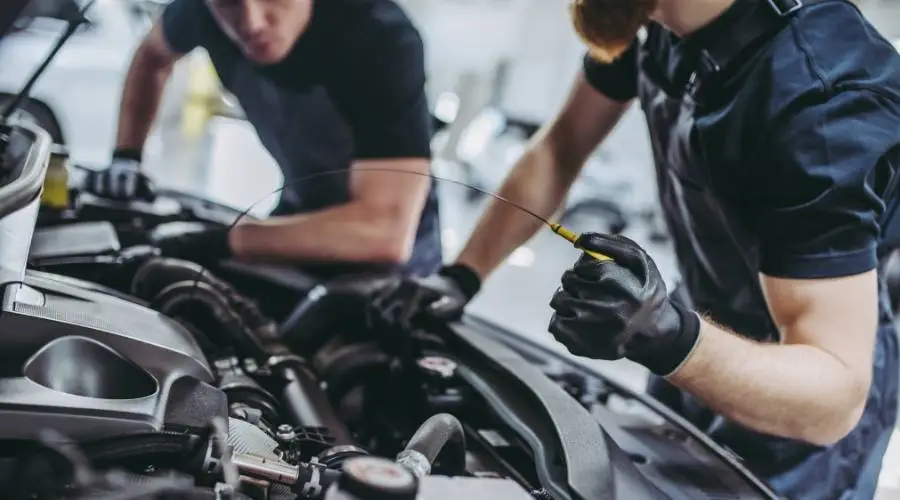
Regularly checking the dipstick helps identify whether oil loss is becoming significant.
3. Pay Attention to Smells
Burning oil smells often indicate the leak is contacting hot engine components.
4. Watch for Warning Lights
Low oil warnings should never be ignored.
These observations can help determine how urgently the vehicle needs inspection.
Don’t Wait for a Small Leak to Become a Big Repair
A small oil leak may not seem urgent today, but oil leaks rarely improve on their own.
Identifying the source early can help prevent engine wear, protect surrounding components, and avoid larger repair costs down the track.
If you’re noticing oil spots under your vehicle or signs of a leak, contact Toros Roadworthy for practical advice and inspection support.
Frequently Asked Questions
Is a small oil leak dangerous?
It can be. Small leaks often become larger over time and may eventually lead to engine damage if ignored.
Can I keep driving with a small oil leak?
In many cases, yes temporarily, but the leak should still be diagnosed and repaired as soon as practical.
How much oil loss is too much?
Any noticeable drop in oil level deserves attention, particularly if warning lights appear.
Can an oil leak cause engine damage?
Yes. Low oil levels reduce lubrication and increase internal engine wear.
Will an oil leak fail a roadworthy inspection?
Depending on the severity and associated faults, it may affect inspection outcomes.