
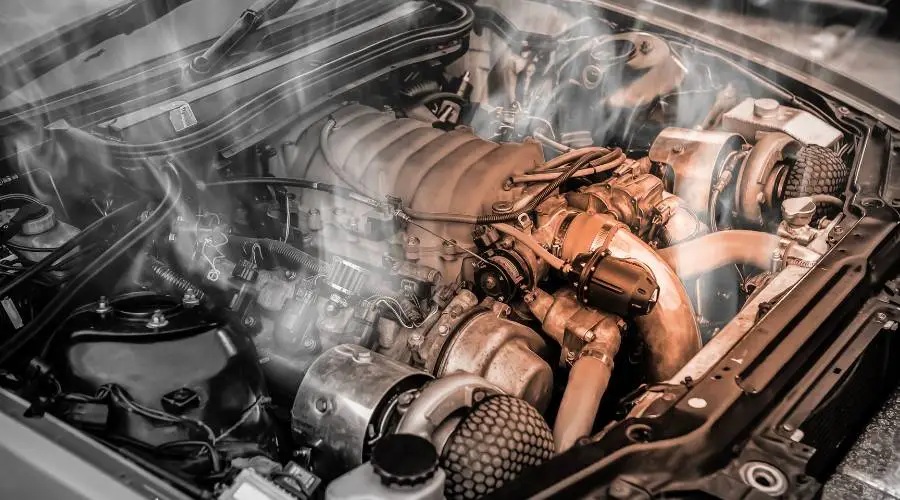
Car overheating causes are most often linked to low coolant levels, cooling system leaks, radiator blockages, faulty thermostats, or cooling fan issues. Queensland heat, traffic, and long-distance driving increase the risk. Regular checks, proper coolant care, and early repairs help prevent engine overheating and costly damage.
Car overheating is usually caused by cooling system faults combined with hot conditions, but preventative maintenance can significantly reduce the risk.
If you’re trying to understand car overheating causes, this guide explains why engines struggle in Queensland conditions, what warning signs to watch for, and how to prevent overheating before it turns into a breakdown or serious engine damage.
Why Cars Overheat More Often in Queensland
Queensland’s climate is one of the biggest contributors to engine overheating. High ambient temperatures mean engines start closer to their upper operating limits, leaving less room for error when something goes wrong.
Local driving conditions also play a role. Long highway trips, stop-start urban traffic, towing, and short trips that don’t allow engines to stabilise all add stress to the cooling system. Over time, even minor weaknesses—like ageing hoses or slightly degraded coolant—can lead to engine overheating.
This is why overheating issues are commonly uncovered during mechanical repairs, rather than presenting as sudden, isolated failures.

Common Causes of Car Overheating
Most overheating issues aren’t caused by a single fault. Instead, they develop when several smaller issues combine.
1. Low Coolant Levels
Coolant regulates engine temperature by absorbing heat and transferring it away from the engine. When coolant levels drop, heat builds up quickly, pushing the engine beyond safe operating temperatures.
Low coolant is often linked to slow leaks or missed servicing rather than sudden failures.
2. Coolant Leaks in the Cooling System
A coolant leak may come from hoses, the radiator, the water pump, or seals. Even a minor leak can lead to overheating during longer drives or hot weather.
If you’ve noticed fluid under your car, understanding early warning signs of mechanical problems can help clarify how urgent the issue may be.
3. Radiator Problems and Blockages
Radiators rely on airflow and clean internal channels to dissipate heat. Dirt, debris, corrosion, or internal blockages reduce cooling efficiency, increasing the risk of engine overheating—especially in traffic or while towing.
4. Faulty Thermostat
The thermostat controls coolant flow. If it sticks closed, coolant can’t circulate properly, causing temperatures to rise rapidly. Thermostat failures are a common cause of sudden overheating.
5. Cooling Fan or Sensor Failures
Radiator fans are essential when the car isn’t moving fast enough for natural airflow. Faulty fans or sensors often cause overheating while idling or driving in slow traffic.
Cooling system components are usually checked as part of cooling and exhaust servicing, helping catch issues before they escalate.
How Exhaust Smoke Can Point to Overheating Issues
Overheating doesn’t always show up on the temperature gauge first. Changes in exhaust smoke can also provide valuable clues.
Understanding exhaust smoke colour meaning helps identify related problems:
- White smoke can indicate coolant entering the combustion chamber, often linked to overheating or head gasket issues.
- Blue smoke may suggest oil burning due to heat-related wear.
- Black smoke is usually fuel-related but can appear alongside other engine faults.
If exhaust smoke changes appear alongside rising engine temperature, it’s important to investigate early.
Early Warning Signs Your Engine Is Overheating
Overheating usually gives warning signs before major damage occurs.
1. Rising Temperature Gauge
If the temperature gauge moves higher than normal or enters the red zone, the engine is already overheating and needs attention.
2. Steam or Sweet Smells
Steam from the engine bay or a sweet smell often indicates coolant escaping under pressure.
3. Dashboard Warning Lights
Modern vehicles use sensors to warn drivers before serious damage occurs. These lights should never be ignored.
4. Reduced Engine Performance
Some vehicles reduce power automatically when overheating to limit engine damage.
Why Preventive Cooling System Care Matters
Preventive maintenance is the most effective way to avoid overheating. Cooling system components degrade gradually, and early intervention is usually far cheaper than repairing engine damage.
1. Regular Coolant Checks
Coolant level and condition should be checked regularly, especially before summer or long road trips.
2. Hose and Belt Inspections
Ageing hoses and belts are common failure points in hot climates. Replacing them early prevents sudden coolant loss.
3. Radiator and Fan Function Checks
Ensuring the radiator is clean and fans operate correctly improves heat dissipation in heavy traffic and hot conditions.
These checks are commonly included during logbook servicing, helping prevent overheating before it becomes an issue.
How Summer Driving Increases Overheating Risk
Queensland summers place additional strain on already-stressed cooling systems. High temperatures, combined with traffic congestion, reduce airflow and force cooling fans to work harder.
Short trips don’t allow engines to stabilise, while towing or carrying heavy loads increases heat generation. Together, these factors make summer car maintenance especially important for avoiding breakdowns.
If you’re planning a long drive, these car maintenance tips are worth reviewing beforehand
How Overheating Affects Safety and Roadworthiness
Engine overheating isn’t just a mechanical concern—it directly affects safety and compliance.
1. Engine Damage Risk
Repeated overheating can warp engine components, damage head gaskets, and significantly shorten engine lifespan.
2. Unexpected Breakdowns
Cooling system failures often lead to roadside breakdowns, particularly during hot weather.
3. Roadworthy Inspection Failures
Coolant leaks, warning lights, or visible overheating damage can result in failed roadworthy inspections, particularly when these issues affect engine safety or reliability.

Practical Steps to Prevent Overheating Before It Starts
Preventing overheating comes down to a few consistent habits.
1. Check Coolant Before Long Trips
A quick coolant check before driving long distances can prevent breakdowns.
2. Avoid Heavy Loads in Extreme Heat
Towing or heavy loads increase engine temperature, especially on hot days.
3. Address Small Issues Early
Minor leaks or warning signs rarely fix themselves and often worsen quickly in Queensland’s heat.
When to Have Overheating Issues Checked
If your temperature gauge rises, coolant levels drop, or your car struggles in hot conditions, early inspection can prevent serious damage. Cooling system issues rarely resolve on their own and often worsen quickly in Queensland’s heat.
If you’d like advice or want your vehicle inspected, you can contact us to book an inspection or discuss how to keep your engine running cool and reliable.
Frequently Asked Questions
What are the most common causes of car overheating?
Low coolant levels, coolant leaks, radiator blockages, faulty thermostats, and cooling fan failures are the most common causes.
Can I drive if my car is overheating?
Driving while overheating can cause serious engine damage. It’s safest to stop and have the vehicle checked.
How can I prevent my car from overheating in summer?
Regular coolant checks, cooling system inspections, and avoiding heavy loads in extreme heat help reduce overheating risk.
Does exhaust smoke indicate overheating problems?
Yes. White or blue exhaust smoke can be linked to overheating or internal engine issues and should be checked promptly.
Can overheating cause a roadworthy inspection failure?
Yes. Cooling system leaks, warning lights, or overheating damage can result in a failed roadworthy inspection.