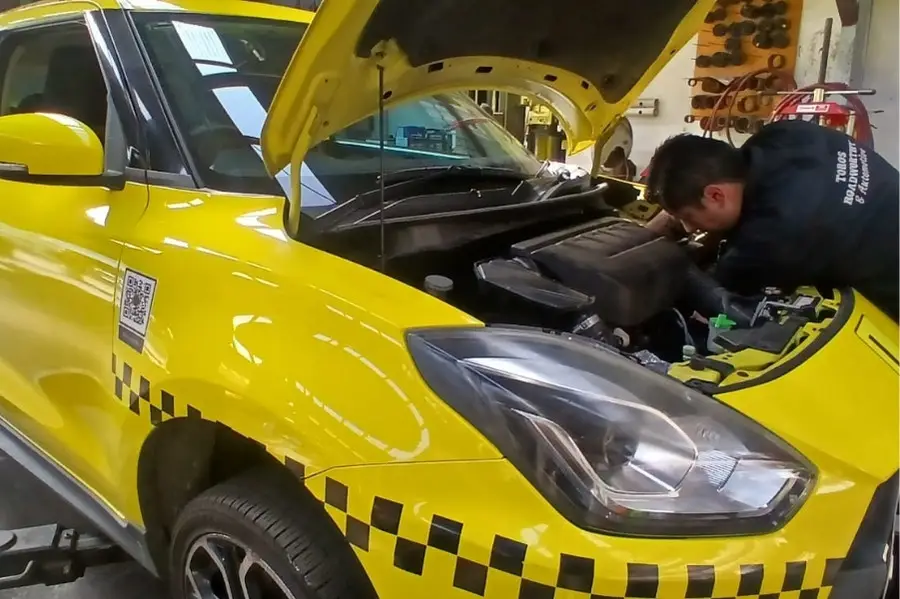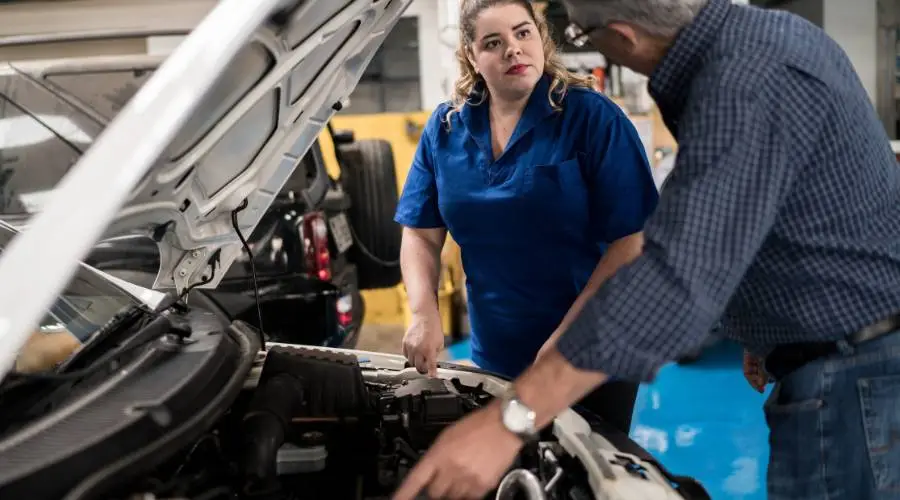
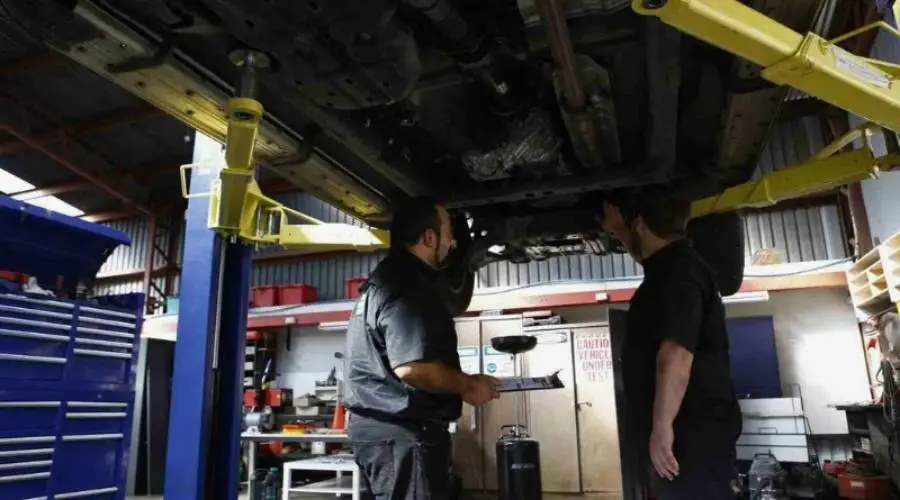
The right time to replace your shock absorbers is when you notice signs like uneven tyre wear, bouncing over bumps, longer braking distances or a “floaty” feeling on the road. Most cars need new shocks every 60,000–100,000km depending on driving conditions.
Worn shock absorbers affect safety, stability and braking. Replacing them at the right time keeps your car safer and smoother on Slacks Creek roads.
This guide covers:
- Early warning signs of worn shocks
- Recommended replacement intervals
- How Logan/Slacks Creek roads affect suspension
- The link between shocks, tyre wear and braking
- When to book a suspension check
Why Shock Absorbers Matter More Than Most Drivers Think
Most local drivers don’t realise how big a role shock absorbers play in everyday safety. They’re not just there to provide comfort — they control how your tyres stay planted on the road. When they start to fade, you’ll feel it in your:
- steering
- braking
- tyre wear
- stability
We see this all the time in the workshop. Customers come in with uneven tyre wear, pulling when braking, bouncing after bumps, or a “loose” steering feel — and the real issue is worn shocks.
Check our guide about car maintenance tips for Slacks Creek drivers, it help locals understand how small maintenance habits prevent major problems.
Knowing when to replace your shock absorbers can save you money and keep you safer on high-use roads around Slacks Creek, Springwood and Underwood.

The Clear Signs Your Shock Absorbers Need Replacing
Shock absorbers wear gradually, so the changes can feel subtle at first. Here’s what we commonly see in the workshop:
1. Uneven or Rapid Tyre Wear
If the tyres are wearing faster on one side or showing a “choppy” pattern, the shocks aren’t holding the tyre evenly on the road. Many customers come in thinking they need new tyres—when the real issue is suspension.
This is why shocks and tyre rotation go hand in hand.
2. The Car Dives Forward When Braking
When you brake and the front of the car dips sharply, that’s a classic sign of worn front shocks. With good shocks, the car stays more level.
This also ties into the importance of quality Bendix/Bremtec Pads, which rely on stable suspension for predictable braking.
3. Excessive Bouncing Over Bumps
If your car continues to bounce after going over a speed bump, the shocks are struggling to absorb the impact. This is common on the roads around Kingston Road, Compton Road and Logan’s older suburbs, where dips, bumps and patched bitumen put more stress on suspension.
4. Poor Stability at Higher Speeds
A “floaty,” wandering or unstable feeling—especially on the highway—usually means the shocks aren’t controlling body movement properly. This is something we hear a lot from customers who use the M1 regularly.
5. Steering Feels Loose or Less Predictable
Worn shocks affect more than ride comfort—they also impact how the steering responds. Cornering may feel sloppy, and the car may lean more than usual.
6. Visible Leaks Around the Shocks
Shock absorbers contain hydraulic oil. If you see oil streaks on the strut or shock body, that means the internal seal has failed, and the shock is no longer doing its job.
How Often Should You Replace Your Shock Absorbers?
There’s no single interval that fits every car, but here’s the general rule we follow:
Most vehicles need new shocks roughly every 60,000–100,000 km.
BUT—your driving environment makes a big difference.
Why Slacks Creek drivers may need earlier replacement
We often see premature suspension wear because of:
- Bumpy older streets
- Steep driveways
- Speed bumps in residential areas
- Frequent stop–start traffic
- Heat and weather exposure
If you regularly drive through Springwood, Underwood, Logan Central or take the Gateway/M1, your suspension works harder than you think.
That’s why we recommend having your suspension checked every service interval or whenever something feels different.
The Hidden Costs of Driving With Worn Shocks
Most drivers don’t replace their shocks until they’re noticeably bad—but waiting too long can cause other issues.
Here’s what worn shocks can lead to:
1. Faster Tyre Wear (costly)
If the tyres are bouncing instead of gripping smoothly, the tread wears unevenly. Many customers are surprised when they need new tyres early because the shocks were silently ruining them.
2. Longer Stopping Distances
Worn shocks reduce traction. In wet weather, this can make emergency braking much less effective.
This connects directly to our article on why good wiper blades matter during QLD’s rainy season, because visibility + stability must work together for safety.
3. Poor Handling and Increased Body Roll
The car may sway more in corners or feel unstable during lane changes.
4. Additional Stress on Brakes and Steering Components
When shocks aren’t doing their job, other parts take the load—leading to extra wear and more frequent repairs.
Check more about brake & suspension maintenance & replacement timing.
Shock Absorbers and Tyre Wear: How They Work Together
This is one of the most important connections drivers overlook.
Good shocks keep your tyres planted on the road. Worn shocks let the tyres bounce—even if you can’t feel it easily.
This leads to:
- cupping
- feathering
- faster tread wear
- noisy tyres
- reduced grip in wet weather
That’s why whenever we see abnormal tyre wear, we also check the suspension before recommending new tyres.
And if you’re rotating tyres regularly (around every 10,000km), it becomes even easier to spot changes in wear patterns early.
How We Diagnose Shock Absorber Problems at Toros
When you bring your car to our Slacks Creek workshop, here’s what we look for during a brake and suspension inspection:
1. Visual suspension check
We inspect:
- leaks around shock bodies
- damaged dust boots
- worn mounts or bushings
- corrosion
- uneven ride height
2. Bounce and stability test
We look for excessive rebound, instability, or movement that shouldn’t be there.
3. Tyre wear analysis
Patterns on the tyre often reveal what’s happening underneath.
4. Road test (if needed)
We check for:
- vibration
- pull
- instability
- brake dive
- body roll
5. Talking with you about symptoms
We always take the time to listen. Many customers describe a “feeling” that helps us narrow down the problem.
If something doesn’t feel right, you’re probably correct—even if nothing looks obvious yet.
When Should You Bring Your Car In?
Contact us if:
- your car feels different — bouncier, floaty or unstable
- the tyres are wearing unevenly
- braking feels unpredictable
- steering feels loose or delayed
- you hear new noises from bumps or corners
- your car is past 60,000km and hasn’t had a suspension check
- you’re preparing for a roadworthy inspection
Even if you’re not sure what the issue is, we’re happy to take a look.
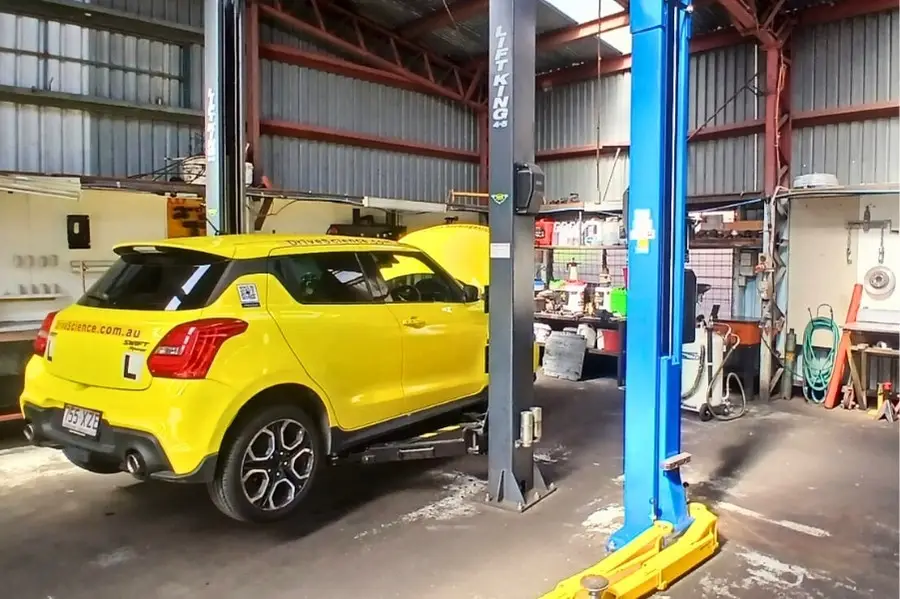
Next Steps – Keep Your Car Safe and Handle Properly
If your car hasn’t had its suspension checked in a while—or you’ve noticed any changes in how it drives—now is the perfect time to get on top of it. Good shock absorbers aren’t just a comfort upgrade; they’re a major part of safe driving, especially with the mix of highway runs and suburban roads around Slacks Creek.
We can combine a suspension check with your next logbook service, look at your tyres, and make sure everything works together the way it should.
- Book a logbook service
- Request a brake, suspension or tyre check
- Get help diagnosing uneven tyre wear, bouncing or handling issues
- Or pair it with a roadworthy inspection if you’re selling or transferring the vehicle
Contact us today — we’re here to keep your car driving safely, smoothly and confidently.
Frequently Asked Questions
How do I know if my shock absorbers need replacing?
The most common signs include uneven tyre wear, bouncing after bumps, a “floaty” feeling at higher speeds, brake dive, or steering that feels loose. If your car doesn’t feel as stable as it used to, it’s best to get a brake and suspension inspection so we can check things properly.
Can worn shock absorbers cause tyre wear?
Yes. Worn shocks make your tyres lose steady contact with the road, which creates choppy or uneven tread wear. Many drivers think they need new tyres when the real issue is suspension. This is why shocks and regular tyre rotation work together.
Do shock absorbers affect braking distance?
Yes. When your shocks are worn, the tyres can’t grip the road properly. This increases your stopping distance, especially in wet weather. That’s why worn shocks are a safety risk, not just a comfort issue.
Is it safe to keep driving with worn shock absorbers?
It’s possible—but not recommended. Worn shocks can affect braking, steering response, stability and tyre wear. You might not notice how unsafe it feels until you hit an emergency stop or a wet patch of road.
Should I replace all four shock absorbers at once?
We usually recommend replacing shocks in pairs (front pair or rear pair). This keeps handling balanced and predictable. In heavily worn cases, replacing all four may be more cost-effective long-term.