
Buying a used car in Queensland involves multiple steps, legal requirements, and potential pitfalls that can cost you thousands if handled incorrectly. Having a systematic approach protects your investment while ensuring you get the best possible vehicle for your budget and needs.
Many Queensland buyers approach used car purchasing haphazardly, making emotional decisions without proper research, inspection, or preparation. This leads to expensive mistakes, legal complications, and buyer’s remorse that careful planning could prevent.
At Toros Roadworthy, we’ve helped hundreds of Logan and Brisbane South buyers navigate the used car purchasing process successfully. Here’s your complete step-by-step guide to buying used cars in Queensland, from initial research through final ownership transfer.
Phase 1: Research and Planning
Step 1: Define Your Needs and Budget
Before looking at any vehicles, establish clear parameters for your purchase decision. This foundation prevents emotional buying and keeps you focused on vehicles that truly meet your requirements.
Start by analyzing your specific transportation needs. Consider how you’ll primarily use the vehicle – daily commuting requires different features than occasional family trips or business use. Factor in the number of passengers you typically carry, cargo requirements for your lifestyle, and any special needs like towing capacity.
Budget planning requires honest assessment of both available funds and ongoing ownership costs. The sticker price represents just the beginning of vehicle ownership expenses. Consider your maximum comfortable purchase amount, then factor in immediate costs like insurance, registration transfer fees, and any repairs identified during inspection.
Remember that cheaper vehicles often require more frequent repairs, while newer vehicles may have higher insurance costs. Finding the right balance requires realistic assessment of your financial situation and risk tolerance.
Step 2: Research Target Vehicles
Armed with clear needs and budget parameters, begin researching specific makes and models that meet your criteria. This research phase prevents expensive mistakes and helps you recognize good value opportunities.
Market research involves comparing prices across multiple sources to understand fair market values. Check dealer websites, private sale listings, and online marketplaces to establish price ranges for vehicles in different condition levels. Pay attention to seasonal variations and local market trends that affect pricing.
Understanding reliability patterns helps you avoid models with known expensive problems. Some vehicles have excellent reputations but suffer from specific issues like timing belt failures or transmission problems at certain mileages. Researching these patterns helps you budget appropriately or choose alternatives.
Queensland’s climate creates unique considerations for vehicle selection. Intense heat stresses cooling systems, air conditioning works constantly during summer months, and humidity affects electrical components over time. Research how different models perform in similar climates and whether specific maintenance requirements apply to Queensland conditions.
Learn about comprehensive pre-purchase inspections that reveal true vehicle condition
Phase 2: Vehicle Search and Evaluation
Step 3: Locate Suitable Vehicles
With research complete, begin actively searching for vehicles that meet your criteria. Cast a wide net initially to maximize your options, then systematically narrow focus to the most promising candidates.
Online marketplaces offer the broadest selection with powerful filtering tools that help narrow choices based on your specific criteria. Set up saved searches with notifications so you’re alerted when suitable vehicles become available. Consider multiple sources including dealer websites, private sales, and auction platforms.
Search Strategy Options:
- Online classifieds for maximum selection variety
- Dealer websites for professionally presented inventory
- Auction sites for potentially competitive pricing
- Local community boards for unique opportunities
- Word-of-mouth referrals from trusted sources
Maintain organized records of vehicles under consideration. Create a system for tracking asking prices, seller contact information, key features, and any concerns noted during initial review. This organization becomes invaluable when comparing multiple candidates.
Step 4: Contact Sellers and Arrange Initial Viewings
Once you’ve identified promising candidates, contact sellers to arrange viewing appointments. Professional, informed communication sets a positive tone while gathering essential preliminary information.
Prepare thoughtful questions that demonstrate serious interest while revealing important details about vehicle history and condition. Ask about maintenance records, reason for selling, any known issues, and accident history. Good sellers welcome detailed questions and provide comprehensive answers.
Essential Pre-Viewing Questions:
- Complete maintenance and service history availability
- Reason for selling and timeline flexibility
- Any known mechanical or cosmetic issues
- Previous accident damage or insurance claims
- Availability of original documentation and spare keys
Schedule viewings at times that allow thorough evaluation without feeling rushed. Avoid appointments during peak traffic periods or late in the day when lighting conditions make detailed inspection difficult. Plan to spend at least an hour with each serious candidate.
For vehicles that pass initial viewing, consider arranging professional pre-purchase inspection. This requires coordinating with sellers to allow adequate time and access for comprehensive assessment. Many sellers welcome professional inspection as it demonstrates serious buying intent.
Understand why roadworthy certificates alone provide insufficient protection for used car buyers
Phase 3: Professional Assessment
Step 5: Conduct Personal Vehicle Inspection
Thorough personal inspection provides your first detailed look at vehicle condition while demonstrating informed buyer behavior. While this doesn’t replace professional assessment, it helps identify obvious problems and shows sellers you’re a serious, knowledgeable buyer.
Begin with systematic exterior examination, walking completely around the vehicle while noting any damage, wear patterns, or inconsistencies. Look for paint color variations that might indicate accident repairs, rust spots that suggest ongoing corrosion, and panel alignment issues.
Key Inspection Areas:
- Paint consistency and color matching across all panels
- Panel gaps and alignment indicating possible accident damage
- Tire wear patterns revealing alignment or suspension issues
- Light operation and lens condition
- Body trim attachment and weatherstripping condition
Interior assessment reveals important information about vehicle care and usage patterns. Excessive wear relative to odometer readings might suggest higher usage than advertised. Check all electronic functions including air conditioning, entertainment systems, and power accessories.
Test drive evaluation provides crucial information about vehicle performance and handling characteristics. Drive in various conditions including city streets, highway speeds, and parking maneuvers to assess engine, transmission, brake, and steering performance.
Step 6: Arrange Professional Pre-Purchase Inspection
While personal inspection provides valuable initial assessment, professional evaluation by qualified mechanics reveals problems that untrained observers typically miss. This investment protects against expensive surprises while providing objective assessment.
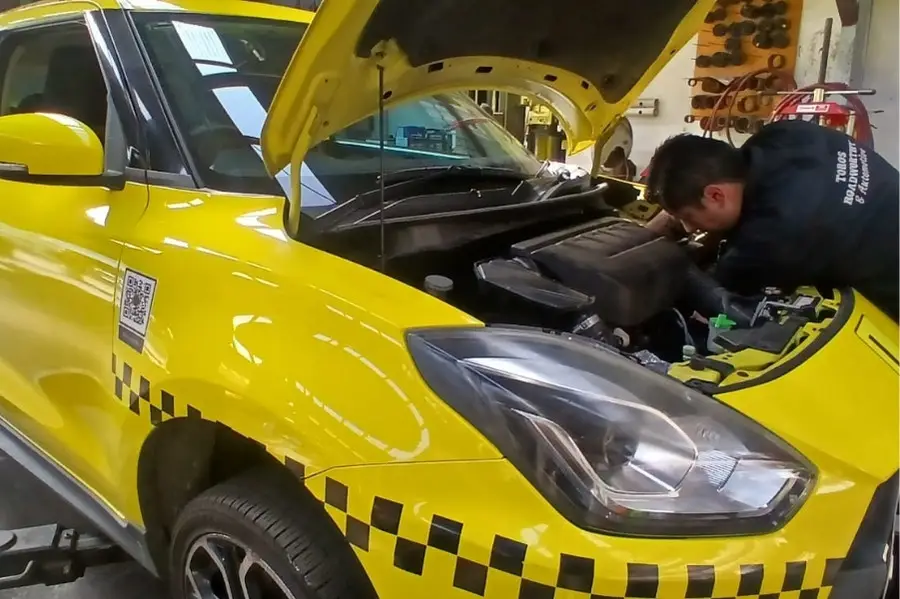
Professional pre-purchase inspection examines all major vehicle systems using specialized diagnostic equipment and expert knowledge. The comprehensive assessment includes engine performance testing, transmission evaluation, brake system analysis, and electrical system integrity.
Professional Inspection Benefits:
- Specialized diagnostic equipment for accurate problem identification
- Expert knowledge of vehicle-specific issues and wear patterns
- Objective assessment without emotional investment in purchase
- Comprehensive written documentation with photographic evidence
- Professional repair cost estimates for identified problems
Mobile professional inspection offers convenience by bringing expert assessment directly to the vehicle location. This eliminates transportation requirements while allowing flexible scheduling that accommodates both buyer and seller availability.
The modest inspection investment typically recovers its cost many times over through problem identification before purchase or negotiation leverage for price adjustment. Professional findings provide objective basis for purchase decisions and price discussions.
Learn to identify red flags and warning signs that indicate problematic vehicles
Phase 4: Decision Making and Negotiation
Step 7: Analyze Results and Make Purchase Decision
With personal and professional inspection complete, systematically analyze all gathered information to make an informed purchase decision. This analysis should objectively weigh vehicle condition against your needs, budget, and alternative options.
Professional inspection reports provide detailed condition assessment with specific findings about each major system. Review these findings carefully, focusing on safety-critical issues, expensive repair needs, and overall vehicle reliability prospects.
Create a comprehensive cost analysis including purchase price, immediate repair needs, and anticipated maintenance expenses over your expected ownership period. This total cost of ownership provides realistic perspective on the vehicle’s true value proposition compared to alternatives.
Professional consultation helps interpret inspection findings and understand the implications of identified problems. Experienced mechanics can provide valuable guidance on repair prioritization, cost estimation, and long-term ownership prospects.
Step 8: Develop Negotiation Strategy
For vehicles you decide to pursue, develop negotiation strategy using inspection findings as objective basis for price discussions. Professional documentation of problems provides credible justification for price reduction requests that reflect actual vehicle condition.
Negotiation Preparation Elements:
- Market research supporting fair value assessment
- Professional inspection findings documenting specific problems
- Repair cost estimates for addressing identified issues
- Alternative vehicle options if negotiation fails
- Maximum price considering all factors
Approach negotiation professionally and factually, avoiding emotional arguments or unrealistic demands. Reasonable sellers appreciate informed buyers who understand vehicle condition and market values, making productive price discussions more likely.
Remember that successful negotiation benefits both parties by establishing fair value that reflects actual vehicle condition. Use professional inspection findings to support reasonable price adjustment requests while maintaining positive relationships.
Discover why choosing Toros provides superior pre-purchase inspection and consultation
Phase 5: Legal Requirements and Purchase
Step 9: Verify Documentation and Legal Requirements
Queensland has specific legal requirements for used vehicle transactions that protect both buyers and sellers while ensuring proper ownership transfer. Understanding and fulfilling these requirements prevents legal complications and delays.
Verify that the seller has proper legal authority to sell the vehicle by confirming their name matches registration documents exactly. Any discrepancies require explanation and potentially additional documentation to establish legitimate selling authority.
Required Documentation:
- Current vehicle registration certificate in seller’s name
- Valid safety certificate dated within two months of transfer
- Statutory declaration confirming accurate odometer reading
- Queensland Transport transfer forms completed accurately
- Proof of seller identity matching registration documents
Safety certificate verification requires checking issue date, examiner credentials, and vehicle details for accuracy and authenticity. The certificate must be current and issued by a properly licensed Queensland examiner.
Ensure all documentation is complete and accurate before proceeding with financial transaction. Missing or incorrect paperwork can delay registration transfer or create legal complications.
Step 10: Complete Purchase Transaction
Execute the financial transaction securely while ensuring proper insurance coverage takes effect immediately upon ownership transfer. Queensland law requires valid insurance before operating any vehicle.
Choose payment methods appropriate for the transaction size while maintaining security for both parties. Bank cheques provide security for larger transactions, while electronic transfers offer convenience with proper verification procedures.
Transaction Security Guidelines:
- Meet at safe, public locations for cash transactions
- Verify fund availability before taking vehicle possession
- Complete all paperwork before releasing payment
- Obtain proper receipts documenting transaction details
- Ensure insurance coverage effective immediately
Contact your insurance provider before completing the purchase to arrange coverage effective from the moment ownership transfers. Provide vehicle details including identification numbers, model specifications, and any modifications to ensure accurate coverage.
Phase 6: Post-Purchase Setup
Step 11: Complete Registration Transfer
Visit Queensland Transport offices or use online services to transfer vehicle registration within 14 days of purchase completion. This legal requirement establishes official ownership while updating government records.
Bring all required documentation including completed transfer forms, safety certificate, statutory declaration, proof of identity, and payment for transfer fees. Missing documentation delays the process and may require additional visits.
Transfer Requirements:
- Completed transfer application forms
- Valid safety certificate within prescribed time limits
- Seller’s statutory declaration regarding odometer accuracy
- Proof of identity and Queensland residency
- Payment for transfer fees and registration costs
Keep all documentation including transfer receipts, new registration papers, and insurance certificates in your vehicle and personal records. These documents prove legal ownership while providing essential information for future reference.
Step 12: Address Immediate Maintenance Needs
Based on professional inspection findings, prioritize immediate maintenance tasks to ensure safety, reliability, and optimal vehicle performance. Focus on safety-critical issues first, followed by reliability improvements.
Create a maintenance schedule addressing both immediate needs identified during inspection and ongoing service requirements based on vehicle age, mileage, and manufacturer recommendations.
Maintenance Priority Categories:
- Safety-critical repairs requiring immediate attention
- Reliability improvements preventing breakdowns
- Routine maintenance bringing vehicle to optimal condition
- Cosmetic improvements enhancing satisfaction
- Optional modifications based on personal preferences
Professional consultation helps prioritize maintenance tasks effectively while managing costs within your available budget. Address safety issues immediately while planning other maintenance according to budget and seasonal considerations.
Access comprehensive pre-purchase inspection services for complete vehicle assessment (Link to: /pre-purchase-inspections/)
Queensland-Specific Considerations
Climate Impact on Vehicle Selection
Queensland’s subtropical climate creates unique considerations that significantly impact vehicle performance and longevity. Understanding these factors helps you choose vehicles suitable for local conditions while avoiding models that struggle in extreme heat and humidity.
Air conditioning represents an essential system rather than optional convenience in Queensland’s climate. Evaluate cooling system capacity, efficiency, and maintenance requirements when considering different vehicles. Systems undersized for extreme conditions create comfort problems and higher fuel consumption.
Heat affects vehicle systems differently than temperate climates, potentially accelerating wear patterns and creating unique maintenance requirements. Research how specific models perform in similar conditions and whether manufacturer recommendations include special procedures for extreme climates.
Local Market Characteristics
Queensland’s used car market reflects unique regional factors including tourism impact, mining industry influence, and population mobility that create both opportunities and potential concerns for buyers.
Tourism and rental vehicle markets contribute significant numbers of vehicles to the secondary market, often presenting well-maintained units with comprehensive service records but potentially higher usage than typical private vehicles.
Regional Market Factors:
- Tourism and rental vehicle availability with known maintenance histories
- Mining industry vehicles potentially subject to harsh operating conditions
- Interstate migration creating diverse vehicle inventory
- Seasonal demand variations affecting pricing and selection
- Local economic conditions influencing market dynamics
Understanding these market dynamics helps you recognize opportunities while avoiding potentially problematic vehicle categories that may appear acceptable but harbor hidden issues.
Common Questions About Used Car Buying
How long should the complete buying process take?
From initial research to final ownership transfer, plan for 2-4 weeks to allow thorough evaluation and proper completion of all requirements. Rushing important purchases often leads to expensive mistakes.
What legal recourse exists if problems develop after purchase?
Post-purchase problems are generally buyer responsibility unless sellers made false representations that can be proven. This emphasizes the critical importance of thorough pre-purchase inspection.
Should I buy from dealers or focus on private sales?
Both options offer advantages depending on your priorities. Dealers provide professional presentation and limited warranty protection, while private sales often offer better pricing and complete vehicle history.
How important is complete service history?
Complete service records indicate careful ownership and help predict future reliability, but missing documentation doesn’t necessarily indicate poor care. Some owners maintain vehicles well without keeping detailed records.
What if sellers refuse professional inspection?
Seller reluctance to permit professional inspection often indicates hidden problems or lack of confidence in vehicle condition. Consider this a significant red flag and focus attention on vehicles from cooperative sellers.
Making Smart Used Car Purchases
Following this systematic approach protects your investment while ensuring you acquire the best possible vehicle for your specific needs and budget constraints. Thorough preparation, professional assessment, and careful attention to legal requirements prevent common problems while creating positive buying experiences.
The key to successful used car purchasing lies in systematic evaluation rather than emotional decision-making that often leads to expensive mistakes. Professional pre-purchase inspection provides crucial protection that justifies the modest investment through comprehensive problem identification and valuable negotiation leverage.
Remember that used car buying represents a significant financial commitment deserving careful attention and professional guidance throughout the process. Taking adequate time for proper research, thorough inspection, and complete evaluation pays long-term dividends through years of reliable, cost-effective vehicle ownership.
With proper preparation and professional support, used car buying becomes a confident, well-informed process that delivers excellent value and high satisfaction levels. Follow these systematic steps carefully, and you’ll make smart vehicle purchases that serve your transportation needs effectively while protecting your financial interests.
Contact us for professional pre-purchase inspection and expert guidance throughout your used car buying process