
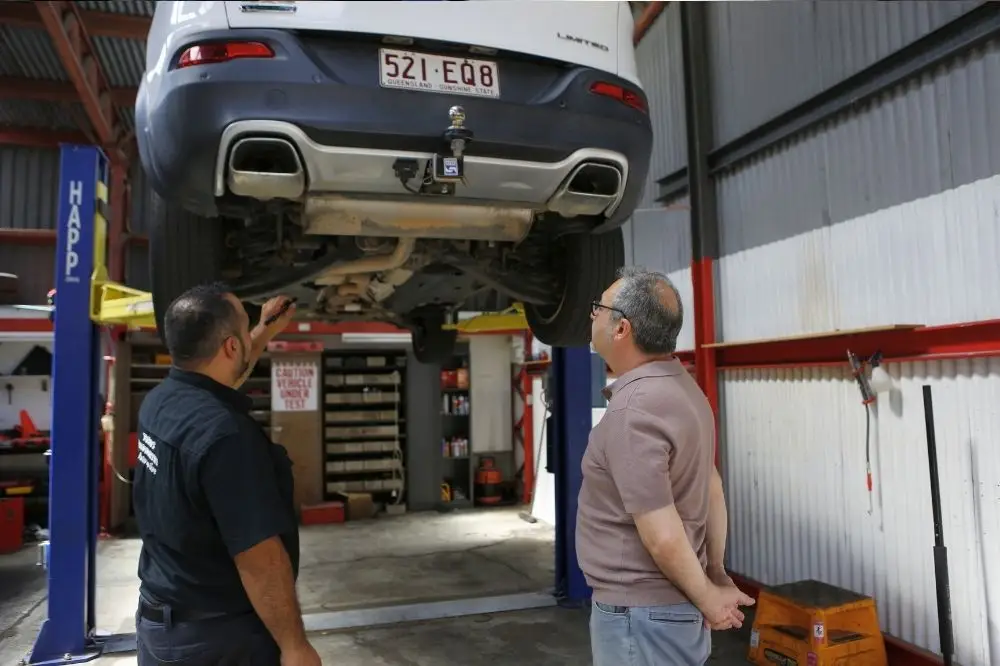
A rattling noise under your car is usually caused by a loose heat shield, worn exhaust components, damaged suspension parts, loose underbody panels, or debris caught beneath the vehicle. While some rattles are harmless, others may indicate a mechanical problem that should be inspected before it becomes more serious.
A rattling noise underneath a car is commonly caused by:
- A loose or damaged heat shield
- Worn exhaust components or broken hangers
- Suspension parts that have become loose or worn
- Loose splash guards or underbody panels
- Rocks or road debris trapped underneath the vehicle
A rattling noise under a car is often an early warning sign of loose or worn components and shouldn’t be ignored, even if the vehicle still drives normally.
If you’ve noticed a rattling noise under your car, don’t ignore it. While it could be something minor like a loose heat shield or trapped road debris, it can also be an early sign of worn suspension, exhaust problems, or other mechanical issues. Identifying the cause early can help prevent more expensive repairs later.
Why Is My Car Making a Rattling Noise Underneath?
Your vehicle has dozens of components mounted underneath it. Many of them are secured using brackets, bolts, rubber mounts, or clips that naturally wear over time.
As these parts loosen or deteriorate, they can begin vibrating against nearby components, producing the rattling sound you hear while driving.
The timing of the noise often provides valuable clues. For example, a rattle that only happens while idling is often different from one that appears when driving over bumps or accelerating.
Understanding when the noise occurs can help narrow down the possible cause.
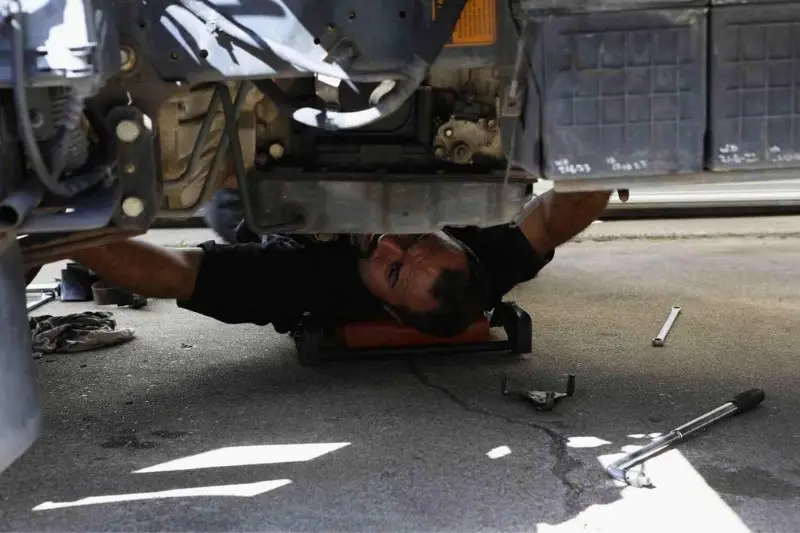
Common Causes of a Rattling Noise Under a Car
Finding the exact source of the noise isn’t always easy because several different parts underneath your vehicle can rattle. Here are some of the most common causes to look out for.
Loose or Damaged Heat Shield
A loose heat shield is one of the most common causes of a rattling noise under a car. As the mounting bolts or clips wear out, the shield can vibrate against the exhaust and produce a metallic rattle, especially while idling or accelerating. Repairing it early is often a simple fix.
Worn Exhaust Components
Your exhaust system is designed to move slightly while the engine is running, but only within a controlled range.
Rubber hangers and mounting brackets keep the exhaust securely in place while absorbing vibration. As these components wear out, sections of the exhaust pipe or muffler can begin moving more than they should.
This movement often produces a metallic rattle that changes with engine speed.
Ignoring a loose exhaust can eventually lead to damaged joints, cracks, or exhaust leaks.
If you also notice unusual smoke or changes in engine performance, understanding what different exhaust smoke colours may indicate can help identify whether another issue is developing alongside the rattle.
Loose Splash Guards or Underbody Panels
Plastic splash guards and underbody panels help protect important components from water, dirt, and road debris. Over time, their mounting clips can break or loosen after normal driving or minor impacts.
Once a panel becomes loose, airflow underneath the vehicle can cause it to vibrate or flap while driving, particularly at higher speeds. Although these panels aren’t mechanical parts, they should still be repaired to prevent further damage.
Suspension Components Wearing Out
Your suspension works constantly to absorb bumps, potholes, and uneven road surfaces.
As components such as sway bar links, control arm bushes, ball joints, or shock absorber mounts wear over time, they can begin producing knocking or rattling noises.
Unlike exhaust-related rattles, suspension noises are usually easier to hear when driving over rough roads, speed bumps, or uneven surfaces.
If you’ve recently encountered poor road conditions, it’s worth understanding how potholes can affect suspension components over time, as repeated impacts can accelerate wear on multiple parts.
Road Debris Trapped Underneath
Not every rattling noise is caused by a mechanical fault. Small rocks, sticks, or other debris can sometimes become trapped underneath the vehicle after driving through gravel roads, construction zones, or flooded areas.
These objects can bounce around between protective covers or suspension components, creating a noise that sounds much more serious than it actually is. If the rattling started immediately after driving through loose debris, it’s worth checking for this first.
Loose Brake Components
Brake hardware can also be responsible for a rattling noise, particularly if retaining clips or other small components have become worn. In some cases, the brake pads may move slightly when travelling over uneven roads.
A useful clue is that the noise may reduce or disappear when you press the brake pedal. If the rattling is accompanied by vibration or changes in braking performance, the braking system should be inspected promptly.
Engine or Transmission Mount Problems
The engine and transmission are supported by heavy-duty rubber mounts designed to absorb vibration.
As these mounts age, the rubber can crack or separate, allowing the engine to move more than intended.
This extra movement may create rattling, knocking, or clunking sounds, particularly during acceleration or when changing gears.
If you also notice hesitation while accelerating or rough gear changes, these symptoms may overlap with common signs of transmission problems, making a professional inspection worthwhile.
Does It Matter When the Noise Happens?
Yes. When the rattling occurs can provide valuable clues about what’s causing it.
A rattle while idling often points to the exhaust or a loose heat shield. If it happens over bumps, worn suspension or brake components are more likely to be responsible.
At highway speeds, loose underbody panels or splash guards may vibrate in the airflow. If the rattling is accompanied by shaking, it may also help to understand what can cause a car to shake at higher speeds
Can You Keep Driving With a Rattling Noise?
That depends on what’s causing the noise.
While a loose splash guard may be a minor issue, worn suspension parts or a damaged exhaust can worsen if left unattended. Even if your car still drives normally, it’s best not to ignore new mechanical noises.
If the rattling becomes louder, affects handling, or is accompanied by warning lights, vibrations, or unusual smells, arrange an inspection as soon as possible.

What Can You Check Yourself?
Before arranging an inspection, there are a few simple checks you can safely carry out.
Look underneath the vehicle for anything that’s obviously loose, such as a hanging splash guard or exhaust component. Also, pay attention to when the rattling occurs, as this can help narrow down the cause.
If you notice fluid leaks, warning lights, burning smells, or changes in vehicle performance, the issue may be more than just a loose component. Learning to recognise common mechanical warning signs can help you decide when it’s time to have your vehicle inspected.
Don’t Ignore a Rattling Noise Under Your Car
A rattling noise under your car might turn out to be something simple, but it’s impossible to know for certain without a proper inspection. Whether it’s a loose heat shield, worn suspension component, or part of the exhaust system, unusual noises are often an early warning that something underneath the vehicle needs attention.
The sooner the cause is identified, the easier it is to prevent additional wear and avoid more costly repairs down the track.
If you’ve noticed a rattling noise underneath your vehicle, contact us. We’ll inspect the vehicle, identify where the noise is coming from, and recommend the most appropriate repair to get you back on the road safely.
Frequently Asked Questions
What is the most common cause of a rattling noise under a car?
One of the most common causes is a loose heat shield around the exhaust system. However, worn exhaust hangers, damaged suspension components, loose splash guards, or road debris trapped underneath the vehicle can also create a rattling sound.
Why does my car only rattle when I drive over bumps?
A rattling noise that only occurs over bumps often points to worn suspension parts, loose brake hardware, or underbody panels that move as the vehicle travels across uneven roads. If you’ve recently hit a pothole, it’s also worth checking for suspension damage.
Can I drive with a rattling noise under my car?
It depends on what’s causing the noise. A loose plastic splash guard may not be an immediate safety concern, but a damaged exhaust or worn suspension component can become more serious if left unattended. It’s always best to have the cause identified before it worsens.
Why does my car rattle while idling but not when driving?
A rattle that’s most noticeable while idling is commonly linked to a loose heat shield or another exhaust component vibrating with the engine. Once engine speed changes, the vibration may lessen or change, making the noise less noticeable.
Should I ignore a rattling noise if my car still feels normal?
No. Many mechanical problems begin with small warning signs long before they affect how the vehicle drives. Having the source of the noise inspected early can often prevent more expensive repairs later.