The most effective fleet maintenance tips include following a structured fleet service schedule, using logbook servicing for every vehicle, keeping accurate maintenance records, and performing regular inspections to catch issues early. Preventive maintenance improves business vehicle reliability and reduces costly downtime.
A consistent fleet service schedule and preventive maintenance plan are the keys to improving business vehicle reliability and avoiding expensive breakdowns.
If you’re managing multiple vehicles, these fleet maintenance tips will help you reduce breakdowns, control repair costs, and keep your business moving without disruption.
Why Fleet Maintenance Matters More Than Most Businesses Realise
When one vehicle breaks down, it’s inconvenient.
When three vehicles are off the road at once, it affects revenue.
As a business owner or fleet manager, you’re not just maintaining vehicles — you’re protecting productivity, customer commitments, and operating margins. Every missed service, ignored warning light, or delayed inspection increases the risk of downtime.
I’ve seen it many times. Small issues like worn brakes or minor coolant leaks often escalate because servicing wasn’t structured properly. That’s why having a clear fleet maintenance strategy makes such a difference.

Start With a Proper Fleet Service Schedule
A strong fleet service schedule is the foundation of company vehicle upkeep.
1. Follow Manufacturer Logbook Intervals
Each vehicle in your fleet should follow its own manufacturer’s service interval. Even if vehicles are similar models, usage conditions differ.
Using a structured logbook servicing ensures fluids, filters, and critical components are maintained correctly and consistently.
2. Adjust for High-Use Conditions
Fleet vehicles often operate in stop-start traffic, carry tools or heavy loads, and accumulate kilometres quickly. That means service intervals may need to be shortened compared to private vehicles.
3. Stagger Servicing to Reduce Downtime
Scheduling vehicles strategically prevents multiple units from being off the road at the same time. This helps maintain workflow continuity.
A documented fleet service schedule removes guesswork and helps you plan ahead rather than react to breakdowns.
Preventive Maintenance: Fix Small Problems Early
Preventive maintenance is what separates reliable fleets from reactive ones.
1. Routine Mechanical Inspections
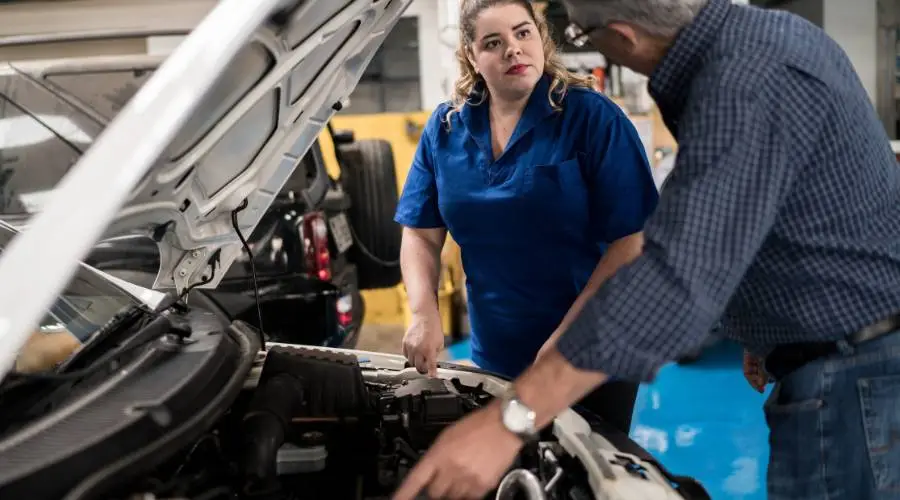
Regular checks allow early identification of wear before parts fail. Brake wear, suspension stress, fluid leaks, and cooling system issues are common in commercial vehicles.
These inspections are often carried out under mechanical repairs and servicing, ensuring minor issues are resolved before they become major repairs.
2. Brake and Suspension Monitoring
Fleet vehicles brake more frequently and carry heavier loads. That increases brake pad wear and suspension strain.
Routine inspections under brake and suspension services improve safety and reduce uneven tyre wear.
3. Tyre Rotation and Wheel Balancing
Tyres are one of the most overlooked areas in fleet management. Poor rotation schedules lead to uneven wear and increased fuel consumption.
Regular servicing under tyres and balancing helps extend tyre lifespan and maintain stability.
Keep Accurate Maintenance Records
Good record-keeping supports smarter decisions.
1. Track Service Dates and Kilometres
Knowing exactly when each vehicle was serviced helps prevent missed intervals.
2. Monitor Recurring Issues
If one vehicle repeatedly requires the same repair, it may indicate driver behaviour, usage conditions, or a deeper mechanical issue.
3. Support Roadworthy Compliance
Fleet vehicles must meet compliance requirements. Active leaks, worn brakes, or warning lights can lead to failed roadworthy inspections, delaying operations.
Accurate service history also improves resale value when vehicles are rotated out of the fleet.
Why Preventive Maintenance Reduces Operating Costs
Many businesses delay servicing to reduce short-term expenses. Unfortunately, that often increases long-term costs.
Preventive maintenance improves business vehicle reliability by:
- Reducing emergency breakdowns, which helps avoid last-minute repairs that disrupt schedules and frustrate clients.
- Lowering towing and recovery costs, as well-maintained vehicles are far less likely to suffer roadside failures.
- Minimising lost productivity, since fewer vehicles off the road means fewer missed jobs or delayed deliveries.
- Improving fuel efficiency, because properly maintained engines, tyres, and braking systems operate more efficiently.
- Extending vehicle lifespan, allows businesses to get more value from each vehicle before replacement becomes necessary.
Unexpected downtime almost always costs more than planned servicing, especially when you factor in lost revenue and operational delays.
Common Fleet Maintenance Mistakes to Avoid
Even well-run fleets can fall into reactive patterns.
1. Waiting for Warning Lights
Dashboard lights indicate something is already wrong. Acting earlier saves money.
2. Ignoring Cooling System Checks
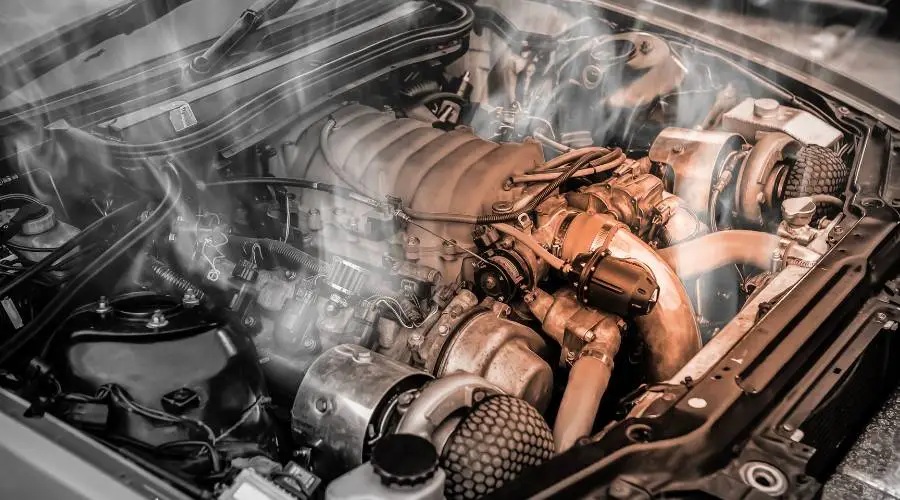
Fleet vehicles often operate in heavy traffic and hot conditions. Cooling system neglect can lead to overheating and major engine damage.
Routine checks under cooling and exhaust services reduce this risk.
3. Overlooking Electrical Systems
Modern vehicles rely heavily on sensors and electronics. Minor electrical faults can affect reliability and compliance.
Regular inspections of electrical and AC services help identify issues early.
How Fleet Maintenance Improves Safety and Reputation
Reliable vehicles reflect directly on your brand. A breakdown in front of a client doesn’t just cost repair money — it affects perception. When your fleet is properly maintained, vehicles arrive on time, operate safely under all conditions, and present a professional image that builds trust. Investing in structured fleet maintenance protects not only your day-to-day operations but also your business reputation and client confidence.

Fleet Maintenance and Warranty Protection
If your fleet includes newer vehicles, following manufacturer schedules protects warranty coverage.
Skipping required services may complicate warranty claims if something fails. That’s why structured servicing is critical for newer commercial fleets.
When to Review Your Fleet Maintenance Plan
If your business vehicles are experiencing frequent repairs, rising maintenance costs, or unexpected downtime, it may be time to review your servicing strategy.
A structured approach to preventive maintenance makes a measurable difference in reliability and cost control.
If you’d like to discuss how to improve your fleet service schedule, you can contact us to talk through options that suit your business operations.
Frequently Asked Questions
What are the most important fleet maintenance tips?
Follow a clear fleet service schedule, perform preventive maintenance, keep accurate records, and act on early warning signs.
How often should fleet vehicles be serviced?
Fleet vehicles should follow manufacturer logbook intervals, with adjustments for heavy use or high mileage.
Why is preventive maintenance important?
Preventive maintenance reduces breakdowns, protects reliability, and lowers long-term repair costs.
Can poor fleet maintenance affect roadworthy inspections?
Yes. Worn components, fluid leaks, and electrical faults can result in failed inspections.
How does fleet maintenance reduce operating costs?
By preventing major repairs, reducing downtime, improving fuel efficiency, and extending vehicle lifespan.