If you’re dealing with a flat and wondering whether to choose tyre puncture repair or replace, this guide explains what’s safe, what isn’t, and what to do next without risking further damage or unnecessary costs.
When deciding between tyre puncture repair or replace, small punctures in the tread area can often be repaired safely, while sidewall damage, large holes, or blowouts require full replacement. Driving on a damaged tyre without proper inspection can compromise safety and lead to more serious mechanical issues.
Tyre punctures in the tread can often be repaired, but sidewall damage or major faults mean the tyre should be replaced for safety.
Why This Decision Isn’t Always Straightforward
A flat tyre might seem like a simple problem, but the decision to repair or replace isn’t always obvious. Many drivers assume that any puncture can be fixed, while others immediately think a new tyre is the only option. In reality, the answer depends on the type of damage, its location, and how the tyre has been used since the puncture occurred.
Making the wrong call can affect how your vehicle handles, how safely it brakes, and whether the tyre remains structurally sound over time. That’s why understanding the basics before taking action can save both money and risk.
Understanding Where the Damage Is Located
The position of the puncture plays a major role in whether a repair is possible. Tyres are not uniform in strength across their surface, and different areas handle stress in different ways.
1. Tread Area Damage
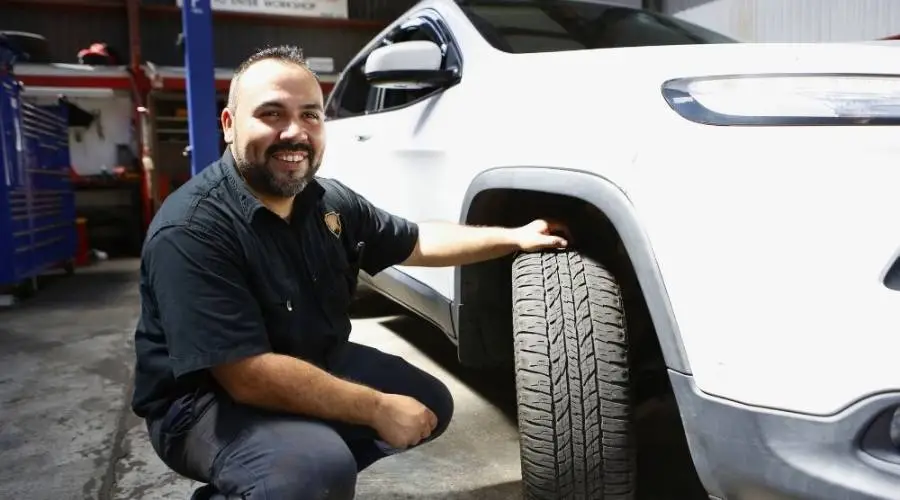
If a nail or screw has punctured the central tread, this is usually the safest type of damage to repair. The tread is the most reinforced part of the tyre and is designed to maintain integrity even after a professional patch or plug is applied.
2. Sidewall Damage
The sidewall is constantly flexing as the vehicle moves, which means any cut, crack, or puncture in this area weakens the tyre significantly. Because of this movement, repairs are not considered safe, and replacement is the only reliable option.
3. Shoulder Area (Edge of the Tread)
Damage near the edge of the tread, where it meets the sidewall, falls into a grey area. In many cases, repairs are not recommended because this section experiences both tread pressure and sidewall flex.
Understanding these differences helps avoid unsafe repairs that may fail under normal driving conditions.
When a Tyre Repair Is the Right Choice
A repair is generally safe when the puncture is small, located in the tread, and the tyre hasn’t been driven on while completely flat. In these cases, a proper internal patch or plug can restore the tyre’s integrity without compromising safety.
It’s important to note that not all repairs are equal. Temporary fixes or external plugs might seem convenient, but they don’t always address internal damage. A proper repair involves removing the tyre, inspecting it from the inside, and applying a professional-grade solution that seals and reinforces the damaged area.
When done correctly, a repaired tyre can continue to perform reliably for the remainder of its lifespan.
When Replacement Is the Safer Option
There are situations where replacing the tyre is not just recommended — it’s necessary. Sidewall damage, large punctures, multiple close punctures, or tyres that have been driven while flat all fall into this category.
Driving on a flat tyre, even for a short distance, can cause internal structural damage that isn’t visible from the outside. In these cases, repairing the tyre may not restore its strength, which increases the risk of failure later.
Additionally, if the tyre is already worn close to its legal limit, investing in a replacement makes more sense than repairing something that will soon need to be changed anyway.
What Happens If You Keep Driving on a Damaged Tyre
Continuing to drive on a damaged tyre often leads to more serious problems. Loss of pressure can affect braking distance, steering control, and overall vehicle stability, especially at higher speeds or during sudden manoeuvres.
Heat buildup inside a compromised tyre can also lead to sudden failure, which is far more dangerous than a slow puncture. In some cases, what starts as a minor issue can quickly turn into a blowout.
Tyre condition is also assessed during roadworthy inspections. Visible damage, worn tread, or unsafe repairs can result in a failed certificate, particularly when safety is affected. For a clearer idea of what’s checked, this guide on what’s included in a Queensland roadworthy inspection explains it in detail.
What to Do When You Get a Flat Tyre
When a tyre goes flat, the priority is always safety. Pull over in a safe location, turn on your hazard lights, and avoid driving any further than necessary on the damaged tyre.
If you have a spare tyre, it can be installed to allow you to continue driving short distances. However, spare tyres are designed for temporary use only. They are not built for long-term driving or high speeds, so the goal should always be to reach a workshop as soon as possible.
If a spare tyre isn’t available, roadside assistance or towing may be the safer option, especially if the tyre is completely deflated.
Temporary Fixes vs Proper Solutions
Quick fixes such as tyre sealants or inflators can be useful in emergencies, but they should never be seen as permanent solutions. While they may help you get back on the road temporarily, they don’t repair structural damage and may complicate proper repairs later.
Relying on temporary solutions for too long increases the risk of further damage, especially if the tyre continues to lose pressure or operate under stress.
How Tyre Issues Can Point to Bigger Problems
In some cases, a puncture isn’t just bad luck — it’s a symptom of something else. Uneven tyre wear, repeated punctures, or consistent pressure loss can indicate underlying issues such as alignment problems, worn suspension components, or incorrect tyre pressure.
We often identify these connections during mechanical repairs, where tyre wear is part of a larger issue affecting vehicle performance.
Addressing the root cause ensures that the problem doesn’t keep coming back.
Preventing Future Punctures and Tyre Damage
While not all punctures are avoidable, there are practical steps that reduce the likelihood of future issues. Regularly checking tyre pressure ensures the tyre maintains its correct shape and strength, reducing stress on the structure. Inspecting tyres for embedded objects or visible damage can catch problems early before they worsen.
Driving habits also play a role. Avoiding debris, rough surfaces, and sudden impacts helps protect tyres from unnecessary damage. Routine servicing also provides an opportunity for tyres to be checked alongside other key components.
Making the Right Decision
Deciding between tyre puncture repair or replace comes down to understanding the type of damage and prioritising safety over convenience. While repairs are often suitable for minor tread punctures, more serious damage always requires replacement.
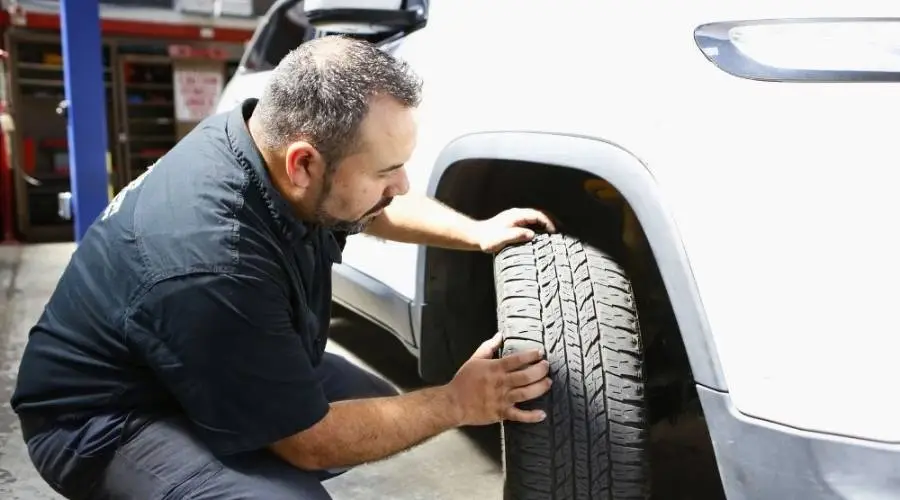
When there’s any uncertainty, having the tyre inspected professionally is the safest option. Guessing or delaying the decision can lead to greater risks and higher costs later on.
Not Sure What Your Tyre Needs? Let’s Take a Look
If you’re unsure whether your tyre can be repaired or needs replacing, it’s always better to have it checked properly rather than taking a risk.
For clear, practical advice based on your situation, you can contact us to discuss what you’re seeing and what your next step should be.
Frequently Asked Questions
Can I drive with a nail in my tyre?
It’s possible for short distances, but the tyre should be inspected as soon as possible to prevent further damage.
Is a repaired tyre as strong as a new one?
A properly repaired tyre can perform safely, but it must meet repair conditions and be in otherwise good condition.
How long can I use a spare tyre?
Spare tyres are temporary and should only be used to reach a service centre.
Can a puncture cause other mechanical problems?
Yes, especially if it affects tyre pressure, alignment, or puts stress on suspension components.
Will a damaged tyre fail inspection?
Yes. Tyres that are unsafe or improperly repaired can result in a failed roadworthy inspection.