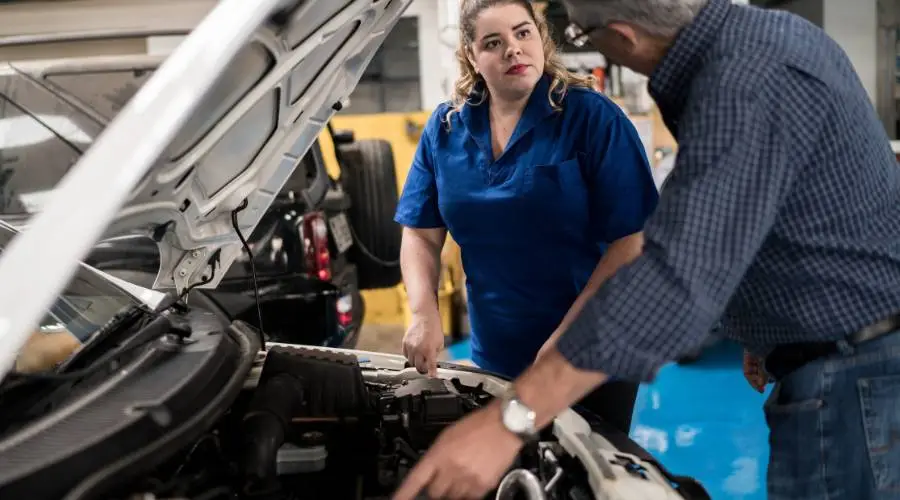

Rotating your tyres every 10,000km helps them wear evenly, improves grip, extends lifespan and keeps your steering and braking more predictable. In Queensland’s conditions, this simple habit prevents premature tyre wear and saves you money long-term.
Tyre rotation every 10,000km keeps wear even, improves grip and extends tyre life — especially for Queensland drivers who deal with heat and stop–start traffic.
Why Tyre Rotation Matters for Everyday Driving
Most drivers don’t think about tyre rotation until something feels off — maybe the steering pulls slightly, the tyres start humming, or the car doesn’t feel as stable in wet weather. But tyre rotation is one of the simplest and most effective car maintenance tips we can give.
Tyres constantly deal with conditions that accelerate uneven wear, including:
- Heat buildup, especially on long summer drives and sealed roads
- Sharp turns and roundabouts, which load one side of the tyre more than the other
- Uneven road surfaces, including patched asphalt and industrial areas
- Frequent stopping and starting in traffic
- Potholes and road edges that impact tyre alignment
- Wet-season downpours, which demand even tread for grip
These factors cause tyres to wear at different rates. That’s why rotation every 10,000km makes such a big difference to safety, handling and tyre lifespan.
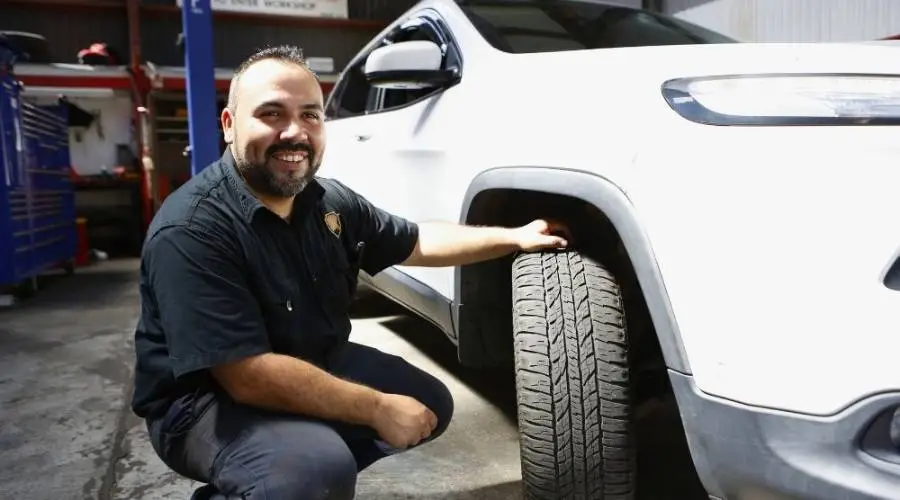
John’s 10,000km Tyre Rotation Rule
After years of servicing local vehicles, we’ve found that every 10,000km is the ideal tyre rotation interval for most Queensland drivers.
This timing works well because it naturally aligns with logbook servicing, prevents uneven wear before it becomes permanent, and helps the car feel more stable and predictable on the road. It also allows us to spot early signs of suspension, steering or alignment issues before they turn into bigger problems.
When rotation is left until 20,000km or longer, tyres often develop wear patterns that are difficult and sometimes impossible to correct.
Signs Your Tyres Need a Rotation
Here are the most common warning signs we see:
1. Uneven tread wear
Inside or outside edge wear, feathering, or cupping are early warning signs. Uneven wear often points to overdue rotation, incorrect alignment or worn shock absorbers.
2. Steering pull or vibration
If the car drifts left or right or the steering wheel vibrates at speed, your tyres may be wearing unevenly.
3. Tyre hum or road noise
Uneven tread blocks create a humming or droning sound on smooth roads.
4. Reduced braking performance
Tyres with uneven tread lose traction faster — even with quality Bendix or Bremtec Pads.
5. Poor handling in wet weather
Even tread depth is critical during storms. This works alongside good wiper blades, a clear windscreen and a clean cabin filter to maintain visibility and control.
Why Tyres Wear Differently on Each Wheel
Not all tyres do the same job. Front tyres handle steering, engine weight and most of the braking force, while rear tyres focus more on balance and stability.
Left-side tyres tend to take more hits from gutters, road edges and potholes, while right-side tyres often experience higher cornering loads through roundabouts.
Tyre rotation helps balance out these stresses, so no single tyre wears out faster than the rest.
How Tyre Rotation Extends Tyre Life
1. Even wear → longer lifespan
When all tyres share the workload, you’ll replace them less often.
2. Better grip in all weather
Even tread depth gives more predictable traction.
3. Improved braking performance
Balanced tyres support the work of your Bendix/Bremtec pads and prevent nose-diving under braking.
4. Quieter, smoother driving
Correct rotation stops feathering and cupping — two major causes of road noise.
5. Protects your suspension
Uneven tyre wear puts more stress on shock absorbers and steering components.
6. Avoids premature tyre replacement
Tyres are expensive. Rotation is cheap.
This is one of the simplest maintenance habits that saves money long-term.
How Tyre Rotation Works at Toros
When you bring your vehicle in for tyre rotation, we don’t just swap wheels around. We also check tyre pressure and tread depth, wheel alignment, shock absorbers, brakes, steering components and wheel balance.
Rotation is often paired with logbook servicing or mechanical repairs, especially if you’ve noticed vibration, steering pull or uneven wear.
Tyre Rotation and Its Connection to Other Maintenance Tasks
Tyres don’t work alone — they’re part of your overall safety system.
Here’s how rotation supports everything else:
1. Tyre Rotation & Shock Absorbers
If tyres wear unevenly, it’s often because the shock absorbers are worn.
Rotation helps us spot these issues early.
2. Tyre Rotation & Braking Performance
Quality pads need consistent tyre grip to work effectively.
Uneven tyres reduce stopping performance — especially in wet weather.
3. Tyre Rotation & Cabin Filter Replacement
Clear airflow is crucial for defogging the windscreen.
Even tyre grip + visibility = safe braking.
This is why we check filters during services — especially in wet season.
4. Tyre Rotation & Wiper Blades
Safe driving depends on clear visibility + road traction.
Good wiper blades + even tyre wear = better control in storms.
5. Tyre Rotation & filters
A healthy engine and reliable acceleration support predictable handling.
Clean Repco or Sakura filters help your car respond smoothly to driver input.
Local Conditions That Affect Tyre Wear
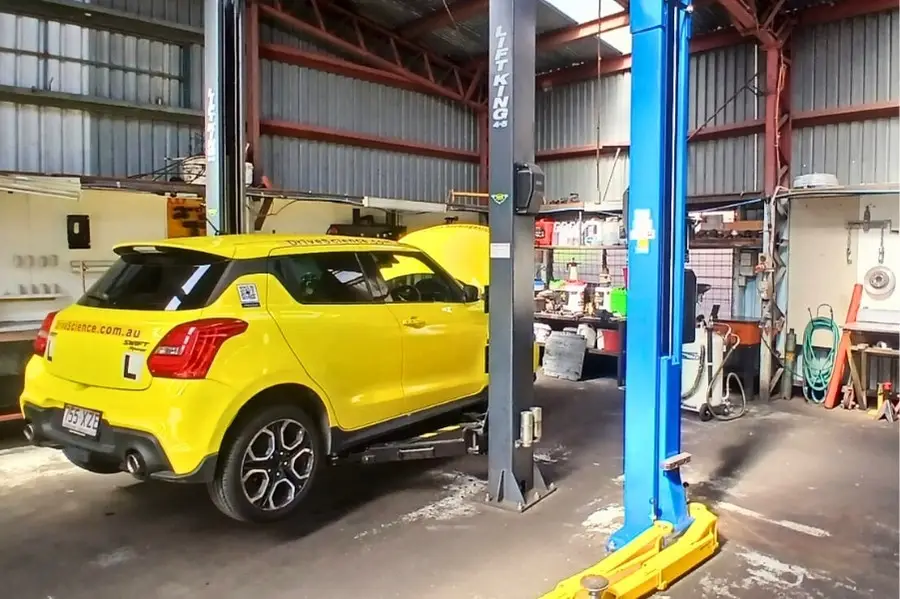
Driving in the Logan area exposes tyres to higher wear due to heat, rough road surfaces, ongoing roadworks, potholes, speed bumps, steep driveways and constant roundabouts. Industrial dust and debris add to the problem.
This is why drivers in Slacks Creek and surrounding suburbs often notice uneven wear earlier than expected — and why rotating tyres every 10,000km makes such a difference.
When to Book Your Tyre Rotation
You should book a tyre rotation if your tyres show uneven wear, the steering vibrates at speed, or your last rotation was more than 10,000km ago. It’s also worth checking if tyres are becoming noisy, the car feels less stable in the rain, or you’re preparing for a roadworthy inspection
If you’re unsure, we can check tyre condition during your next logbook service.
Next Steps – Keep Your Tyres Wearing Evenly & Safely
Regular tyre rotation is one of the easiest ways to keep your tyres lasting longer, driving smoother and gripping better in all conditions. Whether you’re heading into the rainy season or preparing for longer drives, keeping your tyres balanced and evenly worn is a big part of safe driving.
We can help with:
- Tyres & Balancing
- Brake & Suspension checks
- Logbook servicing
- Roadworthy inspections
Contact us and book your tyre rotation today — and keep your car driving safely and confidently.
Frequently Asked Questions
How often should I rotate my tyres?
Every 10,000km, or sooner if you see uneven wear.
Do I need tyre rotation if I have new tyres?
Yes — even brand-new tyres wear unevenly without rotation.
Does rotation fix vibration?
Sometimes. But vibration can also come from worn shocks, unbalanced wheels or alignment issues.
Will tyre rotation improve my fuel efficiency?
Yes. Even tyre wear reduces rolling resistance.
Do you rotate the spare tyre too?
If your vehicle uses a full-size spare, we can include it in the rotation.