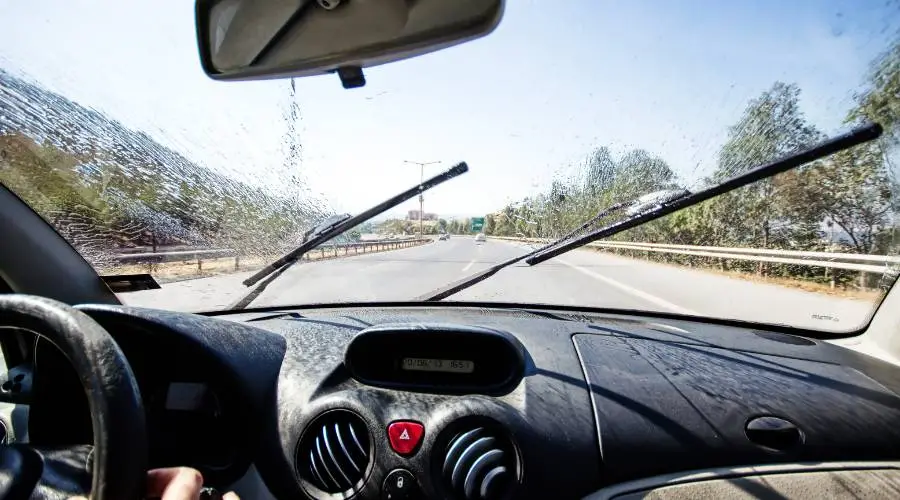
Good wiper blades are essential for safe driving during Queensland’s rainy season. Replacing them once they streak, chatter or miss patches helps maintain clear visibility, reduce braking risk and keep you safe in storms.
Good wiper blades help maintain clear visibility during Queensland’s rainy season, reducing braking risks and keeping you safer in sudden storms.
Why Wiper Blades Matter More Than Most Drivers Realise
If you’ve lived in Queensland long enough, you know how quickly a sunny day can turn into a torrential downpour. One minute the roads are dry, and the next you’re driving through sheets of rain on Kingston Road, Compton Road or the M1, where visibility drops instantly.
And the truth is simple:
If you can’t see properly, you can’t drive safely.
We’ve spoken with many customers who said they didn’t realise how bad their wiper blades were until the first storm hit. That’s why we remind drivers every wet season: Keep good wiper blades installed, and replace them at the first sign of streaking or smearing.
Good visibility is part of your essential car maintenance tips, right alongside tyre health, brake performance and airflow from your AC system.

How Often Should You Replace Your Wiper Blades? (John’s Rule)
Most drivers should replace their wiper blades every 6–12 months. However, in Queensland conditions, replacement often needs to happen sooner because wiper blades are exposed to harsher environmental stress.
Strong sun gradually dries out the rubber, causing it to harden and lose flexibility. High humidity can speed up cracking and deterioration, especially when vehicles are parked outside. Everyday dust and fine debris dragged across the windscreen can wear the blade edge down, increasing the risk of scratching the glass. Then there are sudden storms, where worn blades simply can’t clear water fast enough when visibility matters most.
John’s general rule:
Replace your wiper blades once a year — or earlier if you notice streaks.
If you’ve never replaced them, or it’s been longer than 12 months, they’re overdue.
Clear Signs Your Wiper Blades Need Replacing
Here are the most common symptoms we see in our Slacks Creek workshop:
1. Streaks or smears on the windscreen
If the blades leave patches behind, they’re no longer gripping the glass evenly.
2. Chattering or squeaking sounds
This usually means the rubber has hardened or warped — something we see often after Queensland’s hot summers.
3. Missed sections or “lines” on the glass
Even a thin, missed line can blur your vision during heavy rain.
4. Blade edges look cracked or torn
A cracked or damaged edge is almost useless in a downpour.
5. The metal frame shows
If the rubber wears down too far, the frame can scratch the windscreen — an expensive problem later.
6. Fogging is harder to clear
This often ties into airflow issues caused by a clogged cabin filter or weak AC circulation.
Wipers and airflow work together for visibility.
How Good Wiper Blades Improve Safety During Storms
Wiper blades do more than clear water. They help you judge:
- Braking distance, by keeping the road and vehicles ahead clearly visible when slowing down in rain.
- Lane position, especially when road markings fade or reflect during heavy downpours.
- Road edges, which is critical on poorly lit roads or where water pools near gutters.
- Vehicles ahead, helping you spot brake lights and changes in traffic flow earlier.
- Traffic lights, ensuring signals are visible through glare, spray and rainfall.
- Surface water depth, so you can avoid deeper patches that may cause loss of traction.
Here’s why that matters:
1. Better Visibility Means Faster Reaction Time
If you can see clearly, you can brake earlier — which works hand-in-hand with quality Bendix/Bremtec Pads.
2. Helps Prevent Hydroplaning
When you can see water building up on the road, you naturally slow down and adjust your driving sooner.
3. Safer Highway Driving
During storms on the M1 or Logan Motorway, visibility can drop instantly.
Worn blades create a blur across the glass, making highway driving far more dangerous.
4. Works Together With Tyre Grip
Safe driving requires two things:
- clear visibility
- consistent traction
Clean windows + regular tyre rotation = safer emergency stops and stronger wet-weather control.
5. Prevents Fogging When Paired With a Clean Cabin Filter
A dirty cabin filter restricts airflow, making it harder to clear condensation.
Clear glass + clean airflow = safer wet-season driving.
This is why we check wipers during logbook servicing, especially for rainy-season preparation.
Why Wiper Blades Wear Out Faster in Queensland
Queensland conditions are tough on rubber. We replace more wiper blades here than in cooler states because of:
1. Intense heat
The sun dries out blade rubber quickly.
2. Humidity
Moisture breaks down the blade edge and causes mould growth.
3. Dust and pollen
These act like sandpaper on the windscreen.
4. Storm season
Heavy rainfall requires a higher wiper speed and more blade pressure.
5. Road grime and debris
Once trapped under the blade, it scratches the rubber edge.
If your car parks outdoors daily, expect to replace your wipers more often.
Wiper Blades and Their Connection to Other Maintenance Tasks
Good visibility is only one part of safe wet-weather driving. Your wiper blades work together with several other systems:
1. Wiper Blades & Cabin Filter Replacement
A clogged cabin filter reduces airflow, causing fogging.
Fresh wiper blades + clean cabin filter = clear vision inside and out.
2. Wiper Blades & Shock Absorbers
If your shock absorbers are worn, the car bounces more, which makes the wipers skip across the windscreen during rain.
3. Wiper Blades & Bendix/Bremtec Pads
You need clear visibility to brake safely.
Good wipers help your high-quality brake pads like bremtec pads do their job.
4. Wiper Blades & Tyre Rotation
Even tyre wear gives better road grip, which reduces skidding in storms.
Good tyres + good visibility = safer emergency stops.
5. Wiper Blades & Sakura filters
Quality Sakura filters help maintain proper airflow and cabin comfort, which makes visibility and windscreen defogging much easier during humid days.
You can also see our guide about Repco/Sakura filters for a deeper look at why we recommend them.
When to Get Your Wiper Blades Checked
Wipers streak even after cleaning
This usually means the rubber edge has hardened or worn down and can no longer clear water evenly across the glass.
Visibility drops quickly during rain
If water isn’t being pushed away properly, your ability to judge traffic, braking distance and lane position is reduced almost immediately.
Your car fogs up more often
Worn wipers combined with poor airflow make it harder to keep the windscreen clear in wet or humid conditions.
The blades are older than one year
Even if they still move water, rubber degrades with age and heat, reducing effectiveness and increasing the risk of scratching.
You’re preparing for wet-season driving
Reliable wipers are essential for Queensland storms, where sudden downpours demand instant visibility.
You’re getting a roadworthy inspection
Wiper condition and windscreen clarity are checked, and worn blades can cause unnecessary delays.
You notice scratching on the windscreen
This often indicates damaged blades or trapped debris, which can permanently mark the glass if left unchecked.
If in doubt, bring the car in — we’ll test them for you and show the condition of the blades.
How We Inspect and Replace Wiper Blades at Toros
When we assess your wipers, we:
- Inspect the blade edges to make sure the rubber is smooth and able to clear water evenly.
- Check for cracks, splits or warping, which often occur from sun exposure and age.
- Look for poor contact across the windscreen, as uneven pressure causes streaking and missed spots.
- Test performance using a spray simulation, replicating real rain conditions to assess visibility.
- Inspect the windscreen for scratches, since damaged glass can reduce blade effectiveness.
- Check the cowl area for leaves or debris, which can interfere with wiper movement and water drainage.
If the blades are worn, we’ll replace them with quality options suited to Queensland weather.
We also often pair wiper checks with cabin filter replacement, logbook servicing, or general mechanical repairs, especially before the rainy season.

Next Steps – See Clearly & Drive Safely This Rainy Season
Wiper blades are one of the simplest and most affordable safety upgrades you can make — especially with Queensland’s sudden storms. If your blades streak, smear or struggle to clear heavy rain, it’s time to replace them.
We can help with:
- Wiper blade replacement
- Cabin Filter Replacement
- Shock Absorber inspections
- Bendix/Bremtec Pads
- Tyre Rotation
- Logbook servicing
- Roadworthy inspections
Contact us and book your wiper blade check today — and drive safely through Queensland’s wet season.
FAQs – Wiper Blade Replacement
How often should I replace my wiper blades?
Every 6–12 months, or sooner if you see streaks, smearing or hear squeaking.
Can worn wipers damage my windscreen?
Yes. If the rubber wears down too far, the metal frame can scratch the glass — which can be costly to repair.
Why do my new wipers still leave streaks?
Often the windscreen has film or dust buildup.
A good glass clean usually fixes the issue.
Do wiper blades matter for safety?
Absolutely. Poor visibility is one of the biggest risks during storms or sudden downpours.
Do you check wipers during servicing?
Yes. We check wiper blades during every logbook service and replace them if needed.