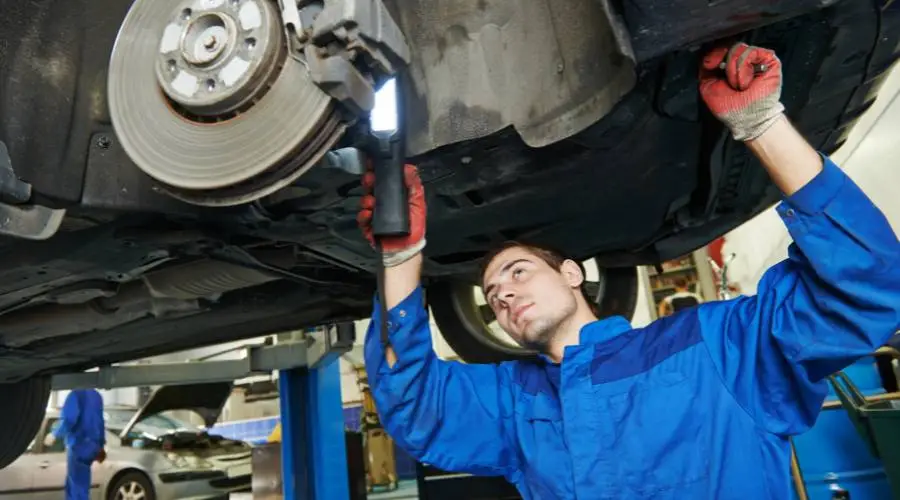
Bendix brake pads are one of the most reliable options for everyday driving in Queensland because they deliver consistent stopping power, better heat resistance, and longer life compared to cheaper alternatives. At Toros, we choose Bendix and Bremtec for safe, stable braking in real local conditions.
Bendix brake pads offer dependable, consistent stopping power in Queensland’s heat and traffic, which is why we trust them for local everyday driving.
This guide explains:
- Why we choose Bendix & Bremtec for most vehicles
- The difference between cheap vs. quality brake pads
- Why heat resistance matters in QLD’s climate
- When you should upgrade your brake pads
- How brakes connect to suspension and tyre wear
- When to book a brake check
Why We Recommend Bendix & Bremtec Brake Pads for Local Drivers
As a local mechanic in Slacks Creek, we care less about brand names and more about safety, consistency and reliability. Over years of replacing brake pads on cars across Logan, Springwood and Underwood, we’ve seen many brands come and go — and we’ve tested enough to know what works and what doesn’t. That’s exactly why we include Bendix and Bremtec in our recommended car maintenance tips for local drivers who want safer, more reliable braking in all conditions.
We regularly recommend Bendix brake pads and Bremtec brake pads because they consistently deliver the best results for everyday driving, emergency braking, heat performance and long-term value.
We also see the same pattern in the workshop:
cheap pads wear out faster, squeal more, fade sooner and cause more rotor damage.
So instead of saving people a few dollars upfront and costing them more later, we prefer to fit parts we know keep them safe on Queensland roads.
What Makes Bendix Brake Pads a Good Choice?
There are a few reasons Bendix consistently outperforms budget pad brands:
1. Better braking performance in real conditions
Slacks Creek drivers deal with a mix of stop–start suburban traffic, highway speeds and sudden braking in wet conditions. Bendix pads handle all of these smoothly because they’re engineered for predictable friction and stable performance.
2. Excellent heat resistance for QLD climate
Brakes heat up quickly — especially in summer or during city driving. Cheaper pads often fade, meaning they lose stopping power when they get hot.
Bendix pads maintain braking performance under heat, making them more reliable for:
- heavy traffic on Kingston Road
- M1 runs
- towing
- steep driveways
- wet conditions
3. Longer lifespan compared to budget pads
We see it all the time: cheap pads might work for a few months but then:
- glaze
- squeal
- wear unevenly
- burn the rotors
Bendix and Bremtec pads last significantly longer, which saves you money in the long run.
4. Quieter braking with less dust
Many cheap brands create heavy black brake dust that coats your wheels. Bendix pads are made with low-dust friction materials so your wheels stay cleaner — and they generally stay quiet even after months of use.
5. Better compatibility with QLD roads
Local road conditions matter. Our area has:
- heat
- rain
- rougher suburban roads
- sudden traffic stops
These conditions put extra demand on the braking system, making quality brake pads more important.
Why We Also Recommend Bremtec Brake Pads
Bremtec is another brand we trust, especially for drivers who need:
- better performance in emergency braking
- towing reliability
- higher temperature tolerance
- improved stopping power under load
Bremtec pads are excellent for:
- small business vehicles
- family SUVs
- work utes
- drivers who often travel the Gateway or M1
They’re consistent, hard-wearing and built for Australian driving.
For many cars, Bendix is the perfect everyday pad. For heavier vehicles or tougher driving, Bremtec is sometimes the better choice.
Either way, you’re getting proven quality.
Cheap Brake Pads vs Bendix Brake Pads — Real Differences We See Daily
We don’t recommend cheap pads for a few reasons:
1. Cheaper pads wear out sooner
They’re softer and don’t hold up to heat well.
2. They can damage your rotors
This turns a simple pad replacement into a much more expensive rotor replacement.
3. They fade when hot
Meaning: when you need them most, they may not stop effectively.
4. More noise and vibration
Many customers come in complaining their “new pads are squealing” — and almost always they’re budget pads.
5. More dust
Dirty wheels are a giveaway.
6. Shorter braking distance
This one is serious. We’ve seen cars with poor-quality pads take metres longer to stop in wet conditions.
This is why we stand by quality parts. Stopping safely is not an area we gamble on.
How Often Should You Replace Your Brake Pads?
Most drivers need new pads every 30,000–70,000km, depending on:
- how they drive
- the weight of the vehicle
- how often they brake hard
- whether they tow
- road conditions
For Slacks Creek and Logan drivers, stop–start traffic and heat mean brake wear happens quicker.
We always check brake condition during logbook servicing, so you don’t have to guess.
How Brake Pads Connect to Suspension & Tyre Wear
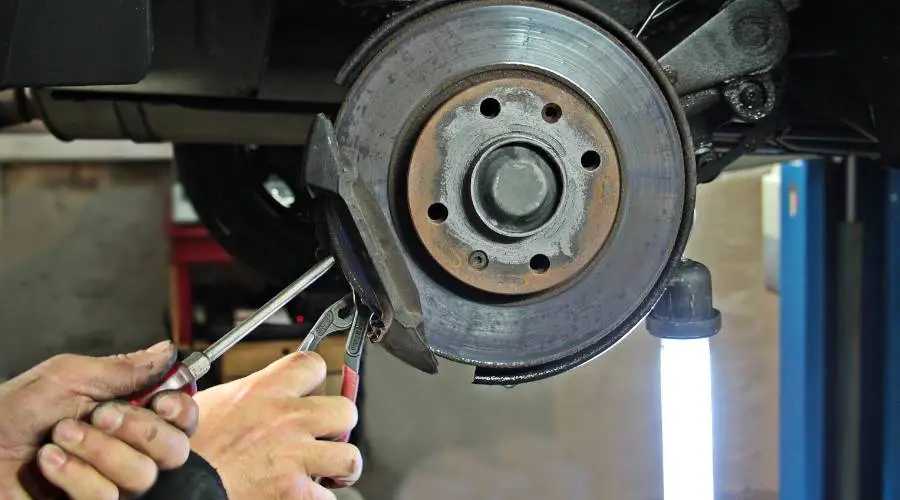
Brake performance isn’t isolated — it works hand-in-hand with:
Shock absorbers
If your shocks are worn, the car nose-dives under braking, which makes stopping less stable.
Learn more about our post and know when to replace your shock absorbers.
Tyre grip
Good brakes don’t help if the tyres can’t grip properly — especially if the wear pattern is uneven. This is why keeping up with tyre rotation every 10,000km is one of the simplest ways to maintain consistent traction and braking performance.
Filters and engine health
Your engine’s performance affects braking response indirectly during acceleration and deceleration — another reason quality components like Repco and Sakura filters help keep your vehicle running smoothly.
Wiper Blades
Braking safety also depends on visibility. In heavy rain, worn wiper blades make it harder to judge distance when stopping.
Everything works together — which is why we often check multiple systems during a mechanical repairs visit.
When Should You Get Your Brakes Checked?
We recommend booking in if:
- you hear squealing, scraping or grinding
- the brake pedal feels soft or spongy
- the car pulls left or right while braking
- the steering wheel shakes under brakes
- the brakes feel weak in wet weather
- you need more distance to stop
- your car hasn’t had a brake check in 12 months
- you’re due for a roadworthy inspection
If you’re unsure, we’ll check the brakes during your next logbook service.
What We Check During a Brake Inspection at Toros
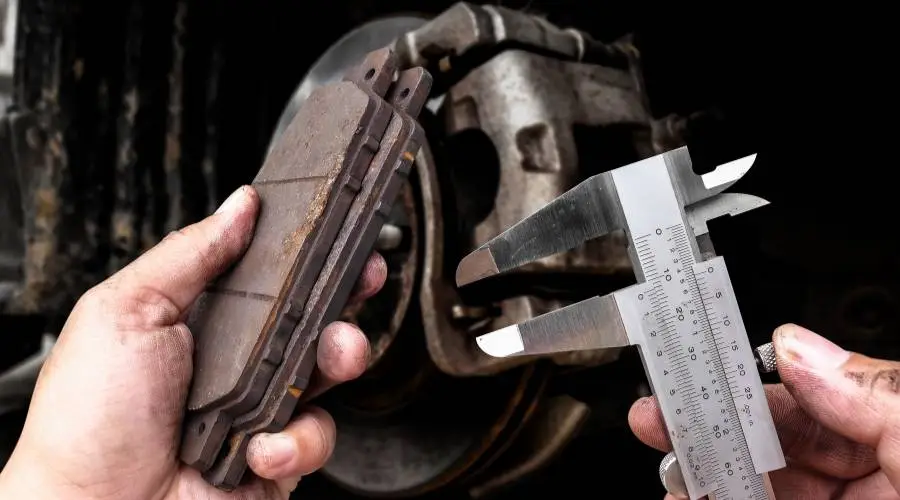
When we inspect your brakes, we look at:
- pad thickness
- rotor condition
- brake fluid quality
- caliper operation
- brake hose integrity
- brake shudder or noise
- suspension behaviour under braking
This gives us a full picture of your braking performance — not just pad wear.
Next Steps – Keep Your Braking Safe and Reliable
If your brakes feel different, make noise or simply haven’t been checked in a while, it’s a good idea to get them looked at. Your braking system is one of the most important parts of your car — and choosing the right pads makes a big difference.
We can help with:
- Brake inspections & replacements
- Choosing Bremtec or Bendix brake pads
- Suspension checks
- Logbook servicing
- Roadworthy inspections
- Tyre checks, filters and Cabin Filter Replacement
- Visibility checks including Wiper Blades
Contact us now and book your brake check today — we’ll make sure your car stops safely and confidently every time.
Frequently Asked Questions
Are Bendix brake pads worth the price?
Yes. They last longer, perform better under heat and offer more consistent braking. You’ll save money long-term because they protect your rotors and reduce how often pads need replacing.
Are Bremtec brake pads better than Bendix?
Neither is “better” — it depends on your vehicle. Bendix is excellent for daily driving. Bremtec is great for heavier vehicles or towing. We’ll recommend the right one based on your car.
Can bad brake pads damage my rotors?
Absolutely. Cheap or worn pads can gouge or overheat the rotors, turning a simple pad replacement into a costly repair.
Why do my brakes squeal even after replacement?
Squealing often comes from low-quality pads or glazed friction material. We rarely see noise issues with Bendix or Bremtec because they use better compounds.
Can I drive with worn brake pads?
You can — but it’s unsafe. Worn pads increase stopping distance and can damage the rotors. If the brakes feel weak, it’s best to get them checked.